
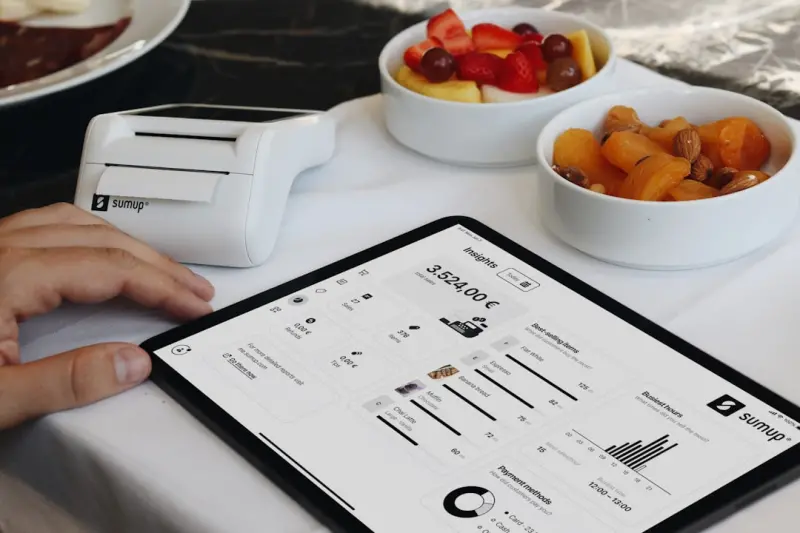
AI on the Plate: How Restaurants Are Using Smart Technology to Craft Personalized Dining Experiences
When I first walked into a downtown bistro that greeted me by name on the host screen, I felt both dazzled and a little uneasy. Artificial intelligence is slipping silently into the fabric of the restaurant world, turning data points into dishes that seem almost pre‑thought. In this piece, I’ll peel back the curtain on the algorithms shaping the meals we love, exploring both the magic and the mystery behind the new tech‑savvy tablescapes.
Smart Reservations: From Waitlists to Predictive Seating
Gone are the days of frantic phone calls and overbooked tables; modern reservation platforms now harness machine learning to forecast no‑shows and dynamically allocate seating. By analyzing patterns such as diner arrival times, party size trends, and even local traffic data, these systems can suggest optimal booking windows that keep the floor humming without the dreaded empty seats. The result? A smoother flow for the kitchen, happier guests who aren’t left twiddling elbows, and a bottom line that finally reflects the true demand curve.
Menu Personalization Powered by Data
Imagine scrolling through a digital menu that highlights dishes tailored to your palate, dietary preferences, and even recent weather conditions. Restaurants are feeding guest histories—previous orders, allergy notes, and flavor ratings—into AI engines that surface recommendations like a personal sommelier. This hyper‑personalized approach not only boosts check averages but also reduces waste, as chefs can prep portions that align with predicted demand. The subtle art of surprise remains, yet it’s now guided by a quiet, data‑driven hand.
Kitchen Efficiency: Robots, Sensors, and Predictive Cooking
Behind the scenes, sensors embedded in ovens, grills, and refrigeration units communicate in real time, allowing AI to tweak cooking times and temperature settings on the fly. When a surge of orders for a seared scallop arrives, the system automatically adjusts the blast chiller cycle to keep the product at peak freshness without manual intervention. This orchestration reduces errors, shortens ticket times, and frees chefs to focus on the creative flair that only humans can deliver.
Ethics, Privacy, and the Guest’s Right to Choose
With great data comes great responsibility; diners increasingly demand transparency about how their preferences are collected and used. Restaurants must balance personalization with privacy, offering opt‑out mechanisms and clear consent prompts. By adopting GDPR‑style safeguards and anonymizing data where possible, establishments can build trust while still leveraging the insights that drive smarter service. After all, a personalized experience loses its sparkle if guests feel surveilled.
Human Touch Meets High Tech: Staff Stories from the Front Line
My conversations with servers and line cooks reveal a spectrum of feelings about AI integration—some see it as a lifesaver, others as a threat to their craft. Many appreciate the reduction in repetitive tasks, such as manual inventory counts, which lets them devote more energy to genuine hospitality. Yet, the best outcomes arise when technology acts as a supportive partner, amplifying the human element rather than replacing it. The secret sauce, it seems, is collaboration.
Case Study: The Digital Menu Revolution at Urban Table
Urban Table, a bustling neighborhood eatery, recently overhauled its ordering system by adopting a QR‑code‑driven digital menu that learns from each patron’s selections. The move not only slashed paper waste but also unlocked a feedback loop that informs daily specials. For a deeper dive into how QR codes are reshaping transparency, check out When Menus Go Digital: How QR Codes Are Changing Restaurant Transparency. Their experience illustrates the tangible benefits of marrying simplicity with sophisticated analytics.
Looking Ahead: Predictive Dining and the Future of Flavor
The next frontier lies in anticipatory dining—systems that suggest a meal before you even think about ordering, based on factors like your calendar, recent purchases, and even your mood inferred from wearable data. While still experimental, such predictive models could redefine the notion of “chef’s recommendation,” turning it into a seamless extension of personal lifestyle data. As the technology matures, the line between intuition and algorithm will blur, offering diners experiences that feel both bespoke and effortlessly natural.
Why It Matters: The Human Story Behind the Algorithms
At its core, this AI wave is about storytelling—just a new chapter in the age‑old narrative of how we gather around food. By respecting privacy, empowering staff, and using data to elevate rather than dictate, restaurants can craft moments that feel intimate, exciting, and undeniably modern. So next time you’re greeted by a name on the screen or see a dish highlighted just for you, remember the quiet orchestra of code working behind the scenes to make that moment possible.

Becky Putman is an Ottawa-based freelance writer and marketing professional with a passion for storytelling, animals, and community involvement. She enjoys creating engaging content that informs, inspires, and connects with readers.
Related Posts

From Points to Experiences: How Modern Loyalty Programs Are Redefining Restaurant Relationships
Explore the evolution of restaurant loyalty—from simple point cards to immersive experiences, comm... Read More
When Restaurants Prioritize Employee Wellness, Everyone Wins
A deep dive into how investing in employee health and happiness transforms restaurant culture, enhan... Read More
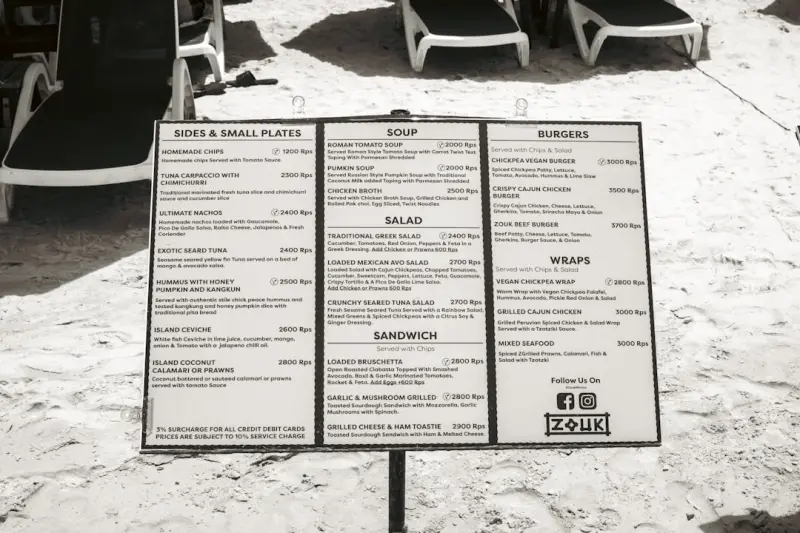
The Psychology Behind Restaurant Menus: How Design Drives Your Choices
Explore the hidden tactics restaurants use in menu design—fonts, layout, and descriptions—to gui... Read More
Top Posts

The Community Table Revolution: How Shared Seating is Redefining Restaurant Culture
Discover how community tables are reshaping restaurants, fostering spontaneous connections, and creating a fresh, shared dining experience for modern guests....Read More
Why Intimate Tasting Menus Are Redefining Fine Dining
A deep dive into the quiet revolution of intimate tasting menus, exploring how limited seating, storytelling plates, and curated drinks create unforgettable fin...Read More

Exploring the Top Restaurants That Redefine the Tasting Menu Experience
A guide to restaurants that transform tasting menus into adventurous experiences through seasonal creativity, daring flavor combos, and immersive atmospheres....Read More
Collective Dining: How Crowdfunded Restaurants Are Redefining the Meal Experience
Discover the rise of crowdfunded eateries where diners become stakeholders, vote on menus, and help design spaces—turning every meal into a collaborative cele...Read More
0 Comments
Post Comment
You will need to Login or Register to comment on this post!