
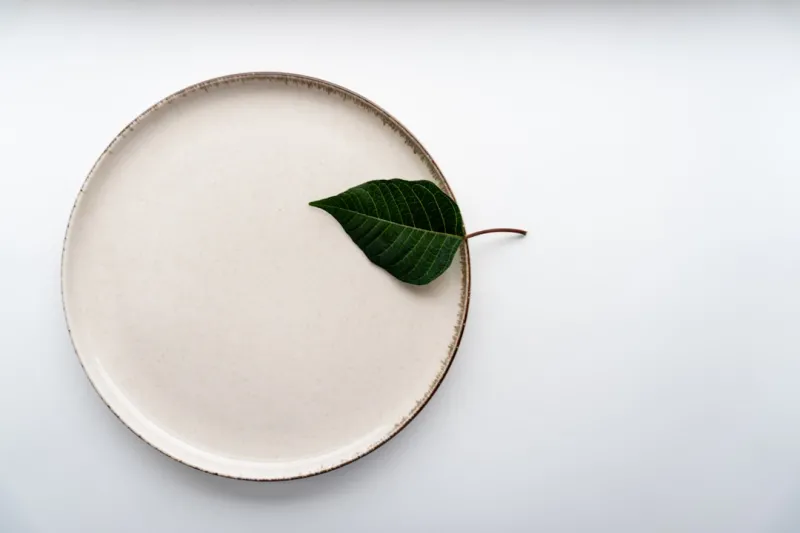
Walking into a restaurant has become for me less about filling a stomach and more about stepping onto a stage where flavors, textures, and aromas perform a carefully scripted drama. I still remember the first time a dish arrived with a tiny parchment scroll tucked beneath a sprig of rosemary, inviting me to decode a love story set in a Tuscan vineyard; that moment crystallized my belief that food can be a narrative medium as powerful as any novel. Since then, I’ve chased after eateries that treat each plate like a chapter, each course like a plot twist, and each wine pairing like a lingering epilogue. In this wandering, I’ve learned that the best storytellers wear aprons, wield knives, and understand that the most memorable meals are those that linger in memory long after the check is signed.
Why Storytelling Matters on a Plate
At its core, narrative dining transforms a simple act of consumption into an immersive experience that engages all senses, turning a routine lunch into a personal pilgrimage. When a chef designs a menu with intention, they are essentially crafting a storyboard where each ingredient plays a defined role, guiding the diner through emotions ranging from curiosity to nostalgia. This approach not only elevates the perceived value of the meal but also creates a shared cultural moment that diners can discuss, recommend, and relive. In today’s fast‑paced world, people crave authenticity and connection; a well‑told culinary story satisfies that yearning, making the dining experience feel both intimate and grand. It’s this alchemy of taste and tale that keeps me returning to tables where the chef isn’t just feeding you, but inviting you to become a character in their edible novel.
The Anatomy of a Narrative Meal
Every compelling story follows a structure—exposition, rising action, climax, and resolution—and the same blueprint applies to a thoughtfully curated tasting menu. The exposition begins with a amuse‑bouche, a single bite that hints at the themes to come, often featuring a familiar flavor twisted in an unexpected way. As courses progress, the rising action builds tension; textures shift, temperatures contrast, and the palate is challenged to adapt, mirroring the way a plot thickens. The climax arrives with the centerpiece dish, the pièce de résistance, where technique and creativity converge, delivering the emotional payoff. Finally, a petite dessert or a palate‑cleansing sorbet offers resolution, leaving a lingering sense of closure. Chefs who understand this cadence can manipulate pacing, surprise, and sentiment, ensuring that diners leave not just satisfied but profoundly moved.
My Recent Expedition: The Hidden Gem on Main Street
Last month I stumbled upon a modest bistro tucked behind a vintage bookstore, a place I now refer to as “The Storyroom.” The moment I was seated, a handwritten menu greeted me, each entry accompanied by a brief anecdote about its origin—whether it was a family recipe rescued from a war‑torn kitchen or a modern reinterpretation of a folk tale. The first course, a smoked beet carpaccio, arrived on a slate slab with a tiny compass rose etched in edible gold, symbolizing a journey to the beet’s root. As the night unfolded, I discovered that the chef had spent months researching regional legends, weaving those narratives into sauces and plating. The crescendo was a deconstructed shepherd’s pie that revealed layers of lamb broth, rosemary foam, and mashed root vegetables, each component representing a character in an age‑old pastoral saga. This experience reaffirmed my conviction that when a restaurant becomes a storytelling playground, it transcends ordinary dining and becomes a pilgrimage of the soul.
How Chefs Weave Culture into Courses
Chefs act as cultural archivists, preserving heritage while simultaneously remixing it for contemporary palates. They achieve this by sourcing local ingredients that carry regional histories and then pairing them with techniques borrowed from distant cuisines, creating a dialogue between past and present. For example, a chef might take a traditional Japanese miso glaze and apply it to a heritage breed pork, honoring both the umami legacy of Japan and the farming traditions of their own countryside. Below are common strategies they employ:
- Ingredient provenance: Highlighting the story of a farm, fisherman, or forager.
- Technique fusion: Marrying cooking methods like sous‑vide with open‑flame grilling.
- Visual symbolism: Using plating elements that echo cultural motifs, such as a lotus leaf for Asian-inspired dishes.
These practices not only enrich the diner’s understanding of the food’s lineage but also create a sense of stewardship, prompting guests to appreciate and support the ecosystems that bring these stories to life.
From Menu to Memory: The Role of Ambiance
While the plate is the protagonist, the surrounding environment serves as the setting that frames the narrative. Lighting, music, tableware, and even the scent of the lobby can amplify or dampen the story the chef intends to tell. A dimly lit room with soft jazz whispers intimacy, allowing a delicate soufflé to feel like a secret shared between confidants. Conversely, an open kitchen with a bustling bar can evoke the excitement of a street market, turning a simple taco into an urban adventure. Thoughtful designers collaborate with chefs to align visual and auditory cues with the culinary plot, ensuring that every sensory input reinforces the intended emotion. When ambiance and cuisine synchronize, the memory of the meal becomes a multi‑dimensional tapestry that diners replay in their minds long after the plates are cleared.
The Digital Age: Sharing Stories Beyond the Table
In our hyper‑connected world, the story of a meal often extends far beyond the four walls of the restaurant, traveling across social feeds and review platforms. When I post a photo of a dish, I’m not just showing its aesthetic; I’m inviting my audience to become part of the narrative, to imagine themselves walking the same path I did. This amplification has turned narrative dining into a collaborative experience, where diners become co‑authors, adding their own commentary and interpretations. For those eager to explore more examples of storytelling on a plate, the piece The Art of Storytelling on a Plate: How Fine Dining Becomes a Narrative Experience offers a deep dive into chefs who have mastered this craft. Additionally, the curated list Best Restaurants That Turn Meals Into Stories serves as a roadmap for anyone ready to embark on their own culinary adventure.
Tips for the Curious Diner
If you’re ready to become an active participant in narrative dining, start by approaching each course with intention rather than haste. Ask the server about the inspiration behind a dish; chefs love to share the backstory, and those anecdotes often enhance the flavor perception. Keep a small notebook or a phone note to jot down sensory impressions—taste, texture, emotions—so you can revisit them later. When possible, choose establishments that provide a “story card” or a brief narrative on the menu; these guidebooks are designed to deepen engagement. Finally, consider sharing your experience responsibly on social media, using respectful language and giving credit to the culinary team. By treating each meal as a chapter, you’ll find that dining becomes a series of memorable stories rather than a series of meals.
Looking Ahead: The Future of Narrative Dining
The trajectory of story‑driven cuisine points toward even more immersive experiences, where technology and tradition converge to create multisensory journeys. Imagine augmented‑reality glasses that project visual backdrops matching each course—a rainforest for a mushroom broth, a desert sunrise for a saffron‑infused sorbet—while subtle soundscapes deepen the emotional resonance. Chefs are already experimenting with edible films that dissolve to release aromatic essences, turning the act of tasting into a dynamic performance. As diners become more discerning and hungry for connection, restaurants that can weave compelling narratives will not only survive but thrive, turning each reservation into a coveted ticket to a living story. I’m excited to witness—and taste—these evolutions, and I’ll continue to chase the plates that speak louder than words.

When it comes to the world of blogging and writing, Rose DesRochers is a name that stands out. Her passion for creating quality content and connecting with her audience has made her a trusted voice in the industry. Aside from her skills as a writer and blogger, Rose is also known for her compassionate nature.
Related Posts

Data‑Driven Personalization: Crafting Menus That Know You Better Than You Know Yourself
Explore the rise of data‑driven personalization in restaurants, from tech behind the scenes to rea... Read More

When a Plate Tells a Story: Inside the Hottest Restaurants
Discover the rise of narrative dining where chefs craft meals as stories, blending flavor, aroma, an... Read More
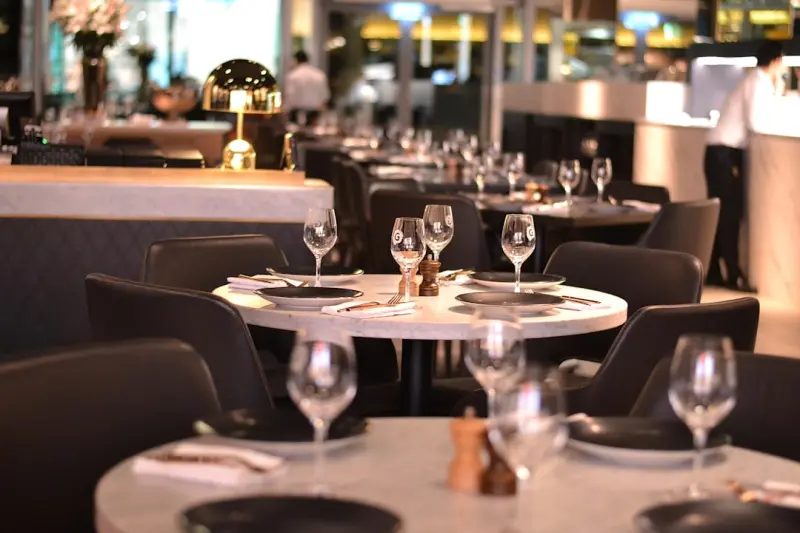
When Loyalty Becomes Luxury: How Restaurants Turn Rewards into Experiences
Explore the shift from traditional points systems to immersive, experience‑driven loyalty programs... Read More
Top Posts
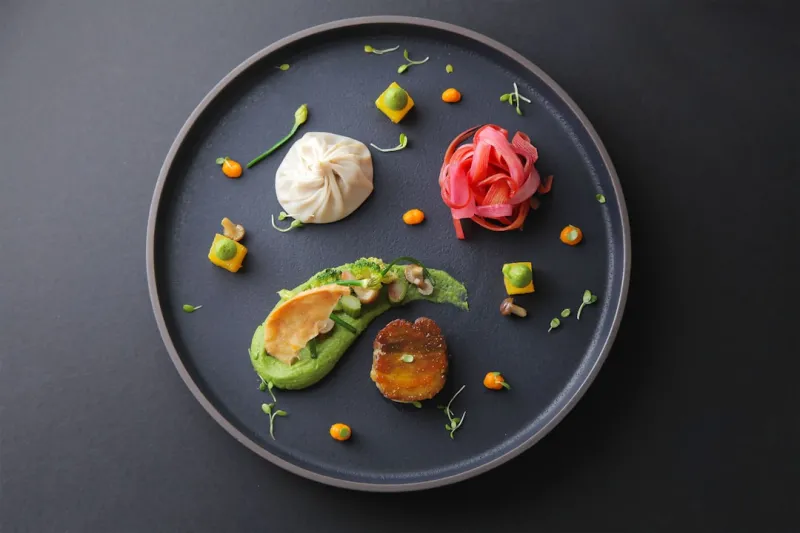
The Pursuit of Gastronomic Excellence: A Journey Through the World's Best Restaurants
Join me on a culinary journey through the world's best restaurants, where exceptional fine dining experiences await. From elegant eateries to avant-garde establ...Read More
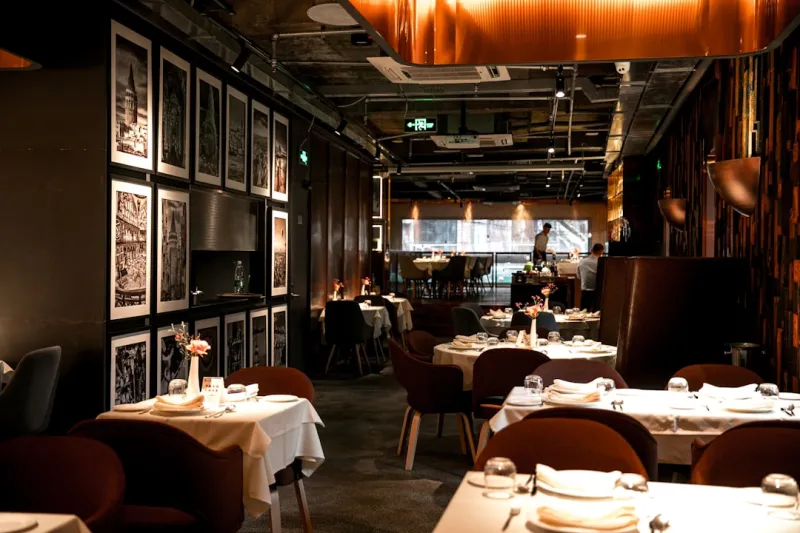
The Hidden Narrative: How Today’s Restaurants Turn Meals into Stories
Discover why today’s eateries are more than places to eat—they’re stages where each plate tells a story, blending flavor, technology, and community into u...Read More
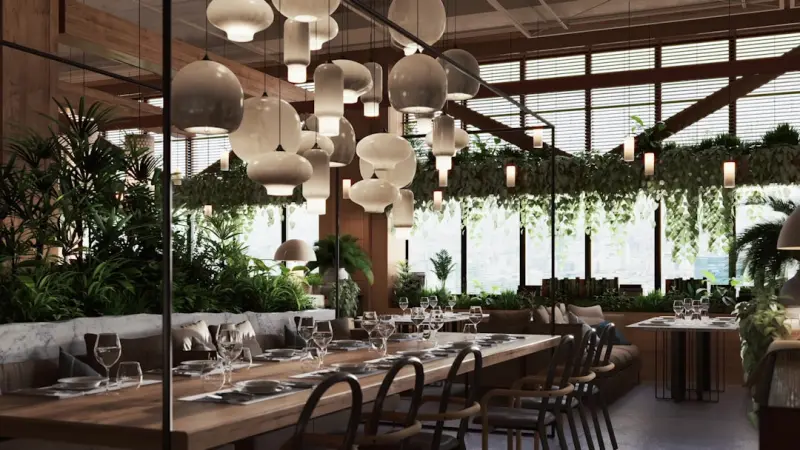
Biophilic Restaurant Design: How Nature Revamps the Dining Experience
Explore the rise of biophilic restaurant design, where living walls, natural light, and greenery turn meals into immersive, nature‑rich experiences that boost...Read More
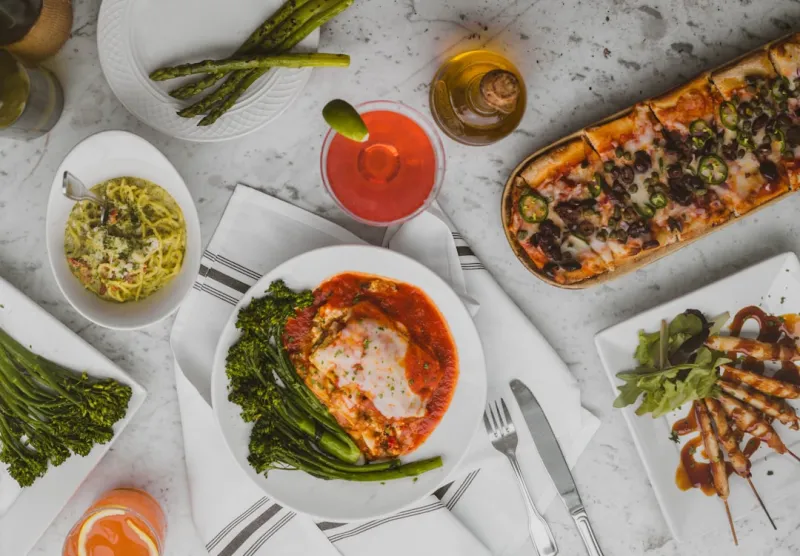
Best Restaurants That Turn Meals Into Stories
Discover restaurants that turn meals into narratives, offering unforgettable flavors, atmosphere, and stories on every plate....Read More
0 Comments
Post Comment
You will need to Login or Register to comment on this post!