
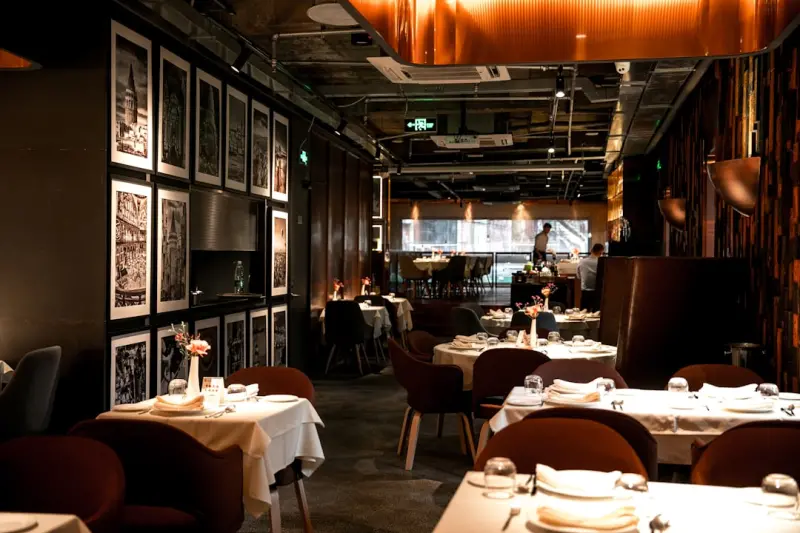
Stepping into a fine‑dining room feels like opening the first page of a novel that promises intrigue, texture, and a climax you can taste. The soft rustle of linen, the low hum of a pianist, and the deliberate pacing of courses all act as narrative devices, guiding the diner through a curated arc. I have learned to read these cues like a seasoned editor, noting how each element foreshadows the next, how the chef’s palate becomes the author’s voice, and how the sommelier’s glass selection serves as a subtle footnote. In this way, a meal transcends sustenance, becoming a story that lives on long after the last crumb is cleared.
The Table as a Canvas
Every table setting is a deliberate brushstroke, and the plate itself is a miniature canvas awaiting its protagonist. When the chef plates a dish, they are not merely arranging food; they are composing a visual prelude that hints at the flavors to come. A splash of crimson beet purée might echo the passion of a love affair, while a speck of edible gold could signal a moment of triumph. As a diner attuned to these symbols, I find myself anticipating the emotional beats before they arrive on the palate. This awareness transforms each bite into a revelation, a plot twist that delights or challenges, inviting me to participate actively in the unfolding drama.
Storytelling Through Service
The choreography of service mirrors the pacing of a well‑written chapter. A server who appears just as the first course cools, offering a brief anecdote about the dish’s provenance, acts like a narrator adding depth to the scene. Their timing is crucial; too eager and the story feels rushed, too distant and the narrative loses momentum. In my most memorable experiences, the staff have become characters in the tale, each interaction adding layers of meaning. This collaborative storytelling is why I often recommend diners explore establishments highlighted in The Art of Storytelling on a Plate, where service is as integral to the plot as the food itself.
Flavor as Narrative Language
Flavor profiles act like the vocabulary of a story, each spice, acid, or umami note conveying emotion. A whisper of yuzu can evoke sunrise over a distant coastline, while the earthy depth of truffle might recall a forest walk at dusk. When these flavors converse, they form dialogues that can be as subtle as a lover’s sigh or as bold as a battle cry. I have learned to listen for these conversations, letting the palate translate them into personal memories. This translation is why I find myself returning to dishes that once moved me, seeking to relive the narrative encoded within each ingredient.
Curating the Narrative Journey
Choosing a restaurant is akin to selecting a book for a night’s read; the setting, reputation, and chef’s philosophy set expectations. I often start with a quest for venues that promise more than just culinary excellence—they promise a story. Resources like Why Fine Dining Feels Like Reading a Great Novel have become my map, guiding me toward experiences where the menu reads like a table of contents, each course a chapter with its own climax. By aligning my curiosity with a chef’s vision, I ensure that the evening becomes an immersive narrative rather than a simple dinner.
Designing the Sensory Plot
Lighting, sound, and even temperature play roles as essential as dialogue in a novel. A dimly lit room can create intimacy, while a subtle breeze from an open terrace adds a sense of freedom. Musicians who improvise alongside the chef’s rhythm provide an auditory counterpoint that enriches the sensory plot. When these elements synchronize, the dining experience feels inevitable, as if the story could not have unfolded any other way. It is this harmony that distinguishes a memorable night from a merely pleasant one, turning the act of eating into a fully realized performance.
From Plate to Memory
After the final course, the narrative does not end; it lingers in memory, shaping future expectations and cravings. I often find myself replaying the evening’s highlights, dissecting the moments that resonated most. Was it the surprise of a hidden herb that unlocked a new flavor dimension? Or perhaps the quiet pause between courses that allowed contemplation? These reflections become the foundation for my own storytelling, inspiring blog posts, conversations, and recommendations. By documenting these experiences, I aim to preserve the fleeting magic of each meal, ensuring that the story continues to inspire long after the plates are cleared.
Creating Your Own Narrative Dining
For those eager to embark on their own narrative dining adventures, start by treating each reservation as a plot outline. Research the chef’s background, read reviews that highlight storytelling aspects, and consider the ambience you wish to inhabit. On the night, engage with the staff, ask about ingredient origins, and allow yourself to be surprised by unexpected pairings. Finally, take a moment after each course to note the emotions it evokes, turning the meal into a personal journal entry. By approaching fine dining with this intentional mindset, you transform a simple evening out into a story you can retell for years to come.

When it comes to the world of blogging and writing, Rose DesRochers is a name that stands out. Her passion for creating quality content and connecting with her audience has made her a trusted voice in the industry. Aside from her skills as a writer and blogger, Rose is also known for her compassionate nature.
Related Posts
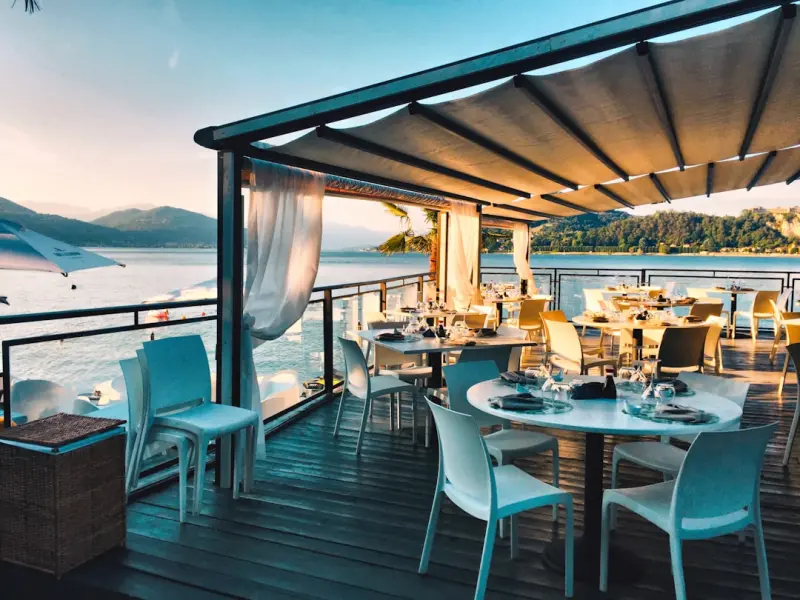
The Narrative Plate: How Fine Dining Transforms a Meal into a Story
Explore the art of fine‑dining storytelling, where every dish, wine, and setting becomes a chapter... Read More
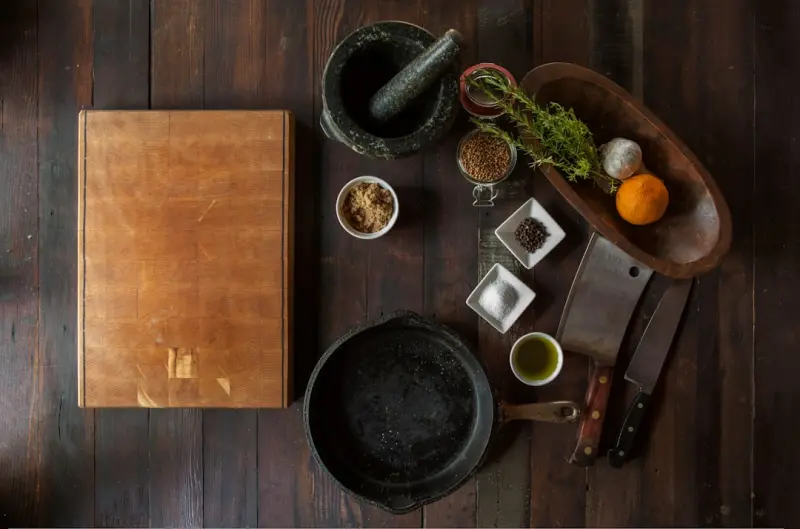
The Art of Anticipation: Crafting Culinary Suspense in Fine Dining
Explore the secret techniques chefs use to build anticipation, from subtle sensory cues to perfectly... Read More
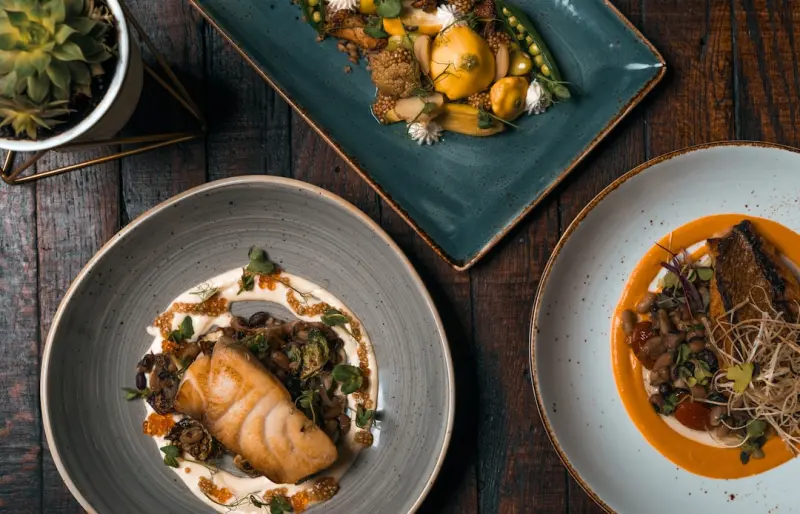
How Light Becomes the Secret Ingredient in Fine Dining
Explore the hidden power of restaurant lighting, how it shapes taste, mood, and the overall dining n... Read More
Top Posts
Best Restaurants of 2024: Rose DesRochers' Insider Picks & Stories
Rose DesRochers reveals the daring restaurants redefining 2024’s culinary scene, blending bold flavors, storytelling, and sustainable practices....Read More
How Restaurants Turn Dinner Into a Story Worth Telling
Explore the art of narrative dining, where menus read like chapters, staff act as storytellers, and each bite becomes a memorable part of a larger culinary stor...Read More
Why Restaurants Are Becoming Storytelling Stages
Discover why today’s restaurants are more than food spots—they’re narrative stages where chefs craft stories on plates, turning every bite into a memorabl...Read More
The Rise of Wellness‑Focused Dining: How Restaurants Are Feeding Body and Mind
Explore the growing trend of wellness‑focused restaurants that combine delicious flavor with health‑boosting ingredients, mindful atmospheres, and chef coll...Read More
0 Comments
Post Comment
You will need to Login or Register to comment on this post!