
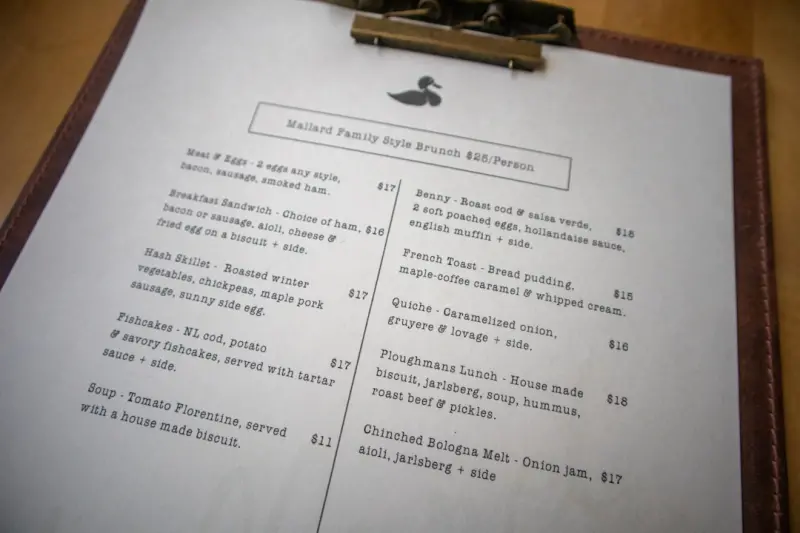
Rooted in Place: Why Fine Dining Is Turning to the Soil
When I first stepped into a restaurant that claimed its entire menu was a dialogue with the farm next door, I expected a gimmick; instead, I was greeted by a narrative that began long before the first bite, deep in the earth where the ingredients were born. The chef‑driven focus on hyper‑local terroir transforms each course into a micro‑story of climate, geology, and the subtle hand of a single season, making the dining experience feel less like a performance and more like an intimate field trip. This shift is not merely aesthetic—it redefines value, turning the provenance of a carrot or a herb into a headline act that commands both respect and a higher price point.
Mapping the Micro‑Territory: From Farm to Fork
Modern fine‑dining establishments are employing sophisticated soil‑mapping tech to chart the exact mineral composition of the plots that feed their kitchens, allowing chefs to pair flavors with the specific terroir that nurtured them. By collaborating with agronomists and leveraging data collected from drones, they can predict the optimal harvest window for heirloom varieties, ensuring that each plate captures the peak of its natural expression. The result is a menu that reads like a scientific paper, yet delights the palate with the raw poetry of place.
Hyper‑Local Menus That Move With the Seasons
Unlike the static seasonal menus of the past, hyper‑local chefs now rotate dishes on a weekly cadence, responding to the day‑to‑day variations in weather, soil moisture, and even lunar phases that influence flavor development. This dynamic approach means that a beet salad one week might feature a sweeter, earthier root, while the next week the same dish showcases a sharper, more mineral profile, reflecting the subtle changes in the field. Diners are invited to taste the rhythm of nature, learning to appreciate that the same vegetable can tell different stories depending on the moment it was harvested.
The Chef as Soil Steward
In this new paradigm, the chef wears two hats: culinary artist and environmental caretaker, often personally overseeing the cultivation of key ingredients on adjoining plots or rooftop gardens. By engaging directly with the soil, they develop an intuitive sense of how nitrogen levels or compost quality affect texture and flavor, allowing them to make real‑time adjustments in the kitchen. This stewardship not only guarantees unparalleled freshness but also fosters a deep sense of responsibility toward sustainable land use, turning each plate into a testament to regenerative agriculture.
Elevating the Plate with Tableware Design
When the ingredients are sourced from a single terroir, the vessels that carry them become an extension of the story, prompting chefs to collaborate with artisans who craft bespoke tableware that echoes the landscape. A shallow bowl shaped like a riverbed, for example, can enhance the perception of a fish dish caught in nearby streams, while a rough‑hewn ceramic plate mirrors the texture of a root vegetable grown in clay‑rich soil. This synergy between food and tableware design amplifies the sensory experience, making the visual narrative as compelling as the taste.
Local Fermentation: Harnessing Wild Microbes
Hyper‑local chefs are also turning to the native microorganisms that inhabit their farms, creating fermentation projects that celebrate the unique microbial fingerprint of each plot. By allowing wild yeasts and bacteria to interact with freshly harvested produce, they generate pickles, sauces, and even charcuterie that carry an unmistakable sense of place, far beyond the standardized profiles of commercial cultures. This local fermentation movement not only adds depth to the flavor palette but also reinforces the connection between the land’s invisible life and the diner’s conscious experience.
Storytelling Without Words: The Power of Aroma and Texture
Beyond visual appeal, chefs are meticulously curating aroma and mouthfeel to mirror the environment from which their ingredients hail, using techniques such as vapor‑infused service or textural contrasts that echo the farm’s terrain. A smoky whisper of rosemary might evoke the dry hillside where it was grown, while a crisp, earthy crumble can remind diners of the loamy soil that nurtured a mushroom. These multisensory cues turn each bite into a silent dialogue, allowing guests to feel the breeze, hear the rustle of leaves, and taste the rain without ever leaving their seat.
Economic Ripple Effects: Empowering Local Communities
The commitment to hyper‑local sourcing creates a virtuous loop that benefits nearby growers, who gain premium markets for niche varieties that would otherwise be overlooked by mass distributors. This financial incentive encourages farmers to preserve heirloom seeds, maintain biodiversity, and adopt regenerative practices that improve soil health over generations. As diners become ambassadors for these farms, the restaurant’s reputation grows alongside the community’s resilience, proving that fine dining can be a catalyst for regional economic revitalization.
Looking Ahead: The Future of Place‑Centric Gastronomy
As climate patterns shift and consumer consciousness evolves, the hyper‑local terroir model offers a flexible framework for chefs to adapt menus while staying true to the land’s character, ensuring relevance and authenticity in an uncertain world. Emerging technologies—such as blockchain traceability and AI‑driven climate forecasts—promise to deepen the connection between the field and the fork, providing diners with real‑time insights into the journey of their food. In embracing the earth beneath our feet, fine dining not only elevates taste but also cultivates a deeper respect for the ecosystems that sustain us.

Becky Putman is an Ottawa-based freelance writer and marketing professional with a passion for storytelling, animals, and community involvement. She enjoys creating engaging content that informs, inspires, and connects with readers.
Related Posts
Augmented Reality at the Table: Redefining Fine Dining Experiences
Discover how AR tabletop technology turns fine dining into a multisensory performance, blending visu... Read More
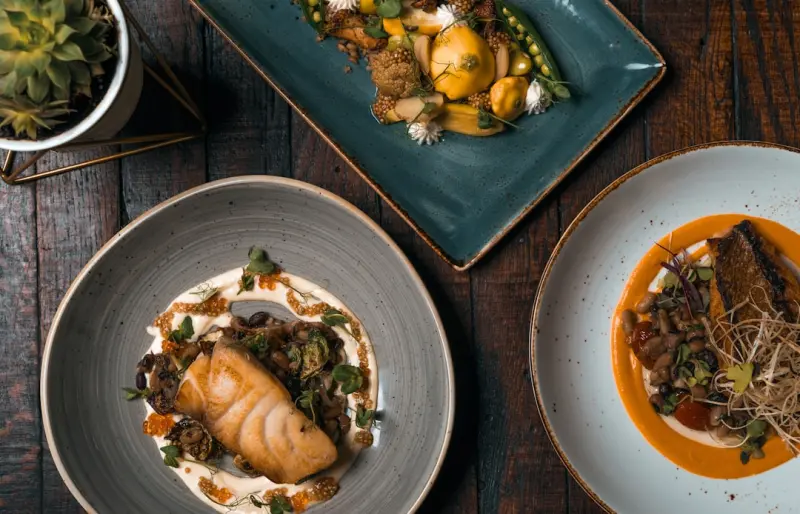
Beyond Silverware: How Tableware Design Rewrites Fine‑Dining Stories
A deep dive into the evolution of plates, glasses, and cutlery, and how their design now tells the s... Read More
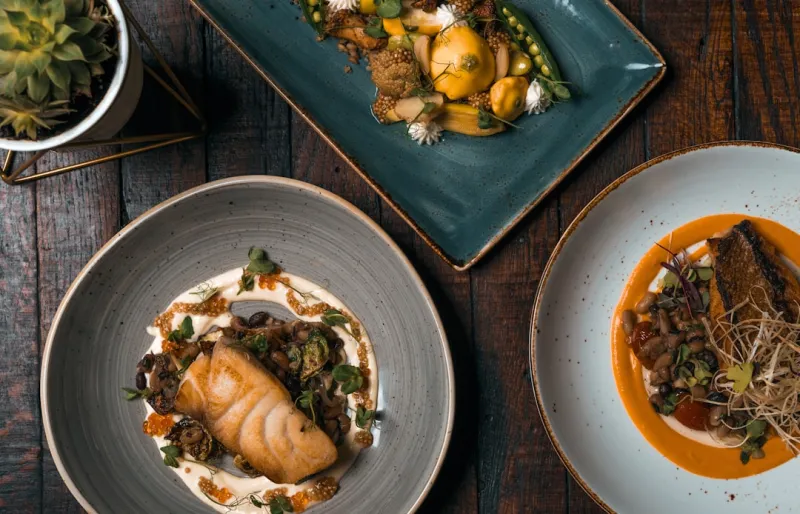
Fine Dining Reimagined: Becky Putman's 2024 Flavor Expedition
Becky Putman dives into 2024's fine‑dining scene, revealing hidden gems, flavor‑first philosophi... Read More
Top Posts
Augmented Reality at the Table: Redefining Fine Dining Experiences
Discover how AR tabletop technology turns fine dining into a multisensory performance, blending visual storytelling, interactive plating, and real‑time guest ...Read More
When the Plate Takes Center Stage: The Art of Culinary Theatre
Fine dining is stepping onto the stage, where chefs become performers and every course is a scene, turning meals into immersive theater....Read More
The Hidden Power of Restaurant Loyalty Apps: How Data‑Driven Perks Shape Our Dining Choices
Discover the unseen mechanics behind loyalty apps, from data analytics to community rewards, and see how they’re reshaping the way we choose restaurants....Read More

My Flavor‑First Voyage Through the City’s Most Talked‑About Restaurants
Join me on a flavor‑first quest through the city’s most talked‑about eateries, where every plate tells a story and the experience lingers long after the m...Read More
0 Comments
Post Comment
You will need to Login or Register to comment on this post!