
Why Ghost Kitchens Are No Longer a Secret
When I first heard the term “ghost kitchen,” I imagined a dimly‑lit pantry where culinary alchemy happens behind a curtain of mystery, but the reality is far more entrepreneurial. Restaurants are leasing modest industrial spaces, outfitting them with high‑end equipment, and turning the invisible into a profit engine that feeds the hungry digital crowd. This shift isn’t just a pandemic afterthought; it’s a strategic response to changing consumer habits, rent pressures, and the relentless pursuit of efficiency.
What excites me most is the freedom these kitchens grant chefs to experiment without the constraints of a dining room’s décor or a fixed menu. A pastry chef can launch a line of artisanal croissants for delivery while still helming a fine‑dining room at night, and the same space can host a pop‑up taco concept the next week. The result is a culinary carousel that keeps both the kitchen staff and the palate constantly engaged.
The Business Model Behind the Blur
At its core, the ghost kitchen model strips away the high‑cost front‑of‑house elements—waitstaff, décor, prime real‑estate—allowing operators to allocate more budget toward ingredients, technology, and branding. By partnering with delivery platforms, they tap into an existing logistics network, sidestepping the need to build their own fleet. This lean approach also makes it easier to scale; a brand can replicate a proven kitchen layout in multiple neighborhoods without the headache of negotiating new lease terms for each storefront.
But the model isn’t without challenges. Maintaining food quality during transit, managing multiple brand identities under one roof, and staying compliant with health regulations require meticulous planning. Restaurants that succeed are those that treat the kitchen as a data‑driven hub, constantly tweaking recipes based on order patterns, and leveraging smart tech on the plate to predict demand spikes before they happen.
Menu Design for the Delivery‑First Era
Designing a menu for delivery is a science as much as an art; dishes must travel well, retain temperature, and still wow the eater once the box is opened. I’ve seen a sous‑chef re‑engineer a classic risotto into a layered parfait that stays creamy without a stovetop, and a grill master develop a “crisp‑on‑the‑go” chicken that arrives perfectly golden thanks to a specially formulated coating.
Ingredient sourcing plays a crucial role, too. Many ghost kitchens are collaborating directly with local farms to secure produce that can withstand the journey, a practice that echoes the principles of zero‑waste dining while also ensuring freshness. By prioritizing shelf‑stable yet vibrant components, chefs can craft dishes that feel restaurant‑worthy even through a cardboard window.
Brand Storytelling in a Box
Without a physical space to impress, ghost kitchens turn to digital storytelling to build loyalty. Social media becomes the storefront, and every Instagram post, TikTok reel, or email newsletter is an invitation to step inside the kitchen’s imagination. I love how some brands release behind‑the‑scenes videos that showcase the clang of pans, the precision of plating, and the personality of the chef, turning a simple delivery into a narrative experience.
Moreover, partnerships with influencers and food bloggers amplify reach, turning a single well‑crafted dish into a viral moment. The key is authenticity; when a brand shares its origin story—whether it’s a childhood memory of a family recipe or a commitment to sustainable sourcing—customers feel a personal connection that transcends the lack of a brick‑and‑mortar presence.
Technology: The Silent Sous‑Chef
From order aggregation platforms that funnel multiple delivery apps into a single dashboard, to AI‑powered inventory systems that predict ingredient depletion before the next rush, technology is the silent sous‑chef driving ghost kitchens forward. Real‑time analytics reveal which items are selling fastest, allowing chefs to adjust prep schedules on the fly and minimize waste.
Automation also extends to packaging. Innovative biodegradable containers with built‑in compartments keep sauces separate until the moment of consumption, preserving texture and flavor. These smart solutions not only enhance the dining experience but also align with the growing consumer demand for eco‑friendly options.
Community Impact and the New Local Economy
While ghost kitchens may seem detached from neighborhoods, they are actually weaving themselves into the local economic fabric. By renting space in underutilized warehouses, they revitalize dormant industrial zones, creating jobs for delivery drivers, kitchen staff, and logistics coordinators. This infusion of activity can spark ancillary businesses—like micro‑brewery pop‑ups or artisanal dessert stands—that share the same footprint.
Additionally, many ghost kitchens are giving back through community meals programs, preparing bulk dishes for shelters during off‑peak hours. This approach mirrors the spirit of social responsibility found in traditional restaurants but does so with a scale and agility that only a delivery‑first model can achieve.
Future Trends: Hybrid Models and Beyond
Looking ahead, the most successful brands will likely blend the ghost kitchen model with physical touchpoints, offering pop‑up dining events, limited‑time storefronts, or “experience labs” where diners can sample the kitchen’s creativity in person. This hybrid approach satisfies the human desire for connection while retaining the operational efficiencies that have made ghost kitchens so attractive.
Imagine a weekend market stall where a ghost kitchen’s signature ramen is served alongside a live cooking demonstration, or a temporary rooftop lounge that transforms the delivery menu into a curated tasting menu. These experiments will keep the industry vibrant, ensuring that the ghost kitchen isn’t just a fleeting trend but a lasting pillar of modern gastronomy.
Final Thoughts: Embracing the Invisible Revolution
In my years covering the restaurant world, I’ve witnessed countless revolutions—from farm‑to‑table to immersive dining experiences—but the rise of ghost kitchens feels like the most profound shift in how we conceive “eating out.” It democratizes fine cuisine, pushes chefs to innovate for a new medium, and reshapes cityscapes in subtle yet powerful ways.
If you’re a restaurateur feeling the pressure of rising rents or a foodie craving restaurant‑quality meals at home, the ghost kitchen offers a compelling solution. By embracing technology, sustainable sourcing, and storytelling, these invisible kitchens are crafting a future where the plate arrives at your door with the same love, precision, and creativity you’d expect at a flagship location.

When it comes to the world of blogging and writing, Rose DesRochers is a name that stands out. Her passion for creating quality content and connecting with her audience has made her a trusted voice in the industry. Aside from her skills as a writer and blogger, Rose is also known for her compassionate nature.
Related Posts
Swag on the Menu: How Restaurant Merchandise is Shaping the Dining Experience
Restaurant merchandise is more than swag—it’s a powerful loyalty tool. Discover how curated coll... Read More

When a Plate Tells a Story: Inside the Hottest Restaurants
Discover the rise of narrative dining where chefs craft meals as stories, blending flavor, aroma, an... Read More
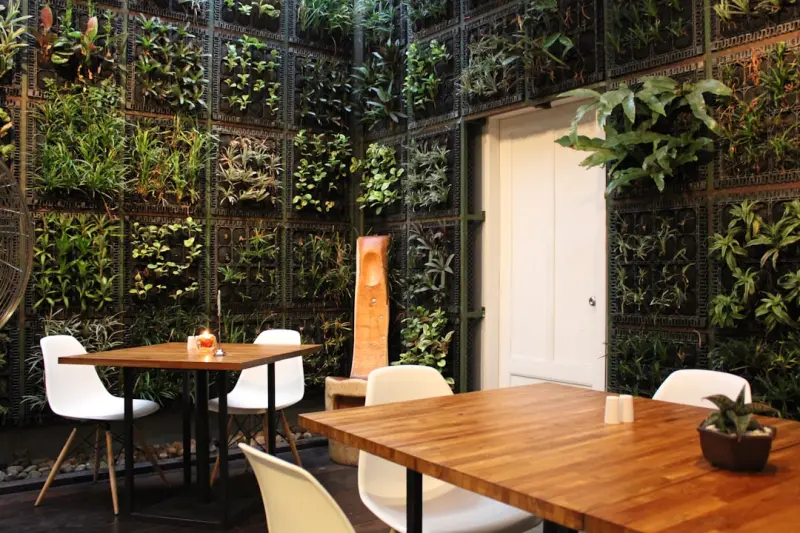
Nature‑Infused Dining: How Biophilic Design Is Transforming Restaurant Experiences
Discover how bringing natural elements into restaurant interiors enhances flavor perception, staff m... Read More
Top Posts
Hyper‑Local Harvests: How Fine Dining Is Embracing Sustainable Sourcing
Discover the rise of hyper‑local sourcing in fine dining, where chef‑farmer partnerships, seasonal menus, and zero‑waste practices combine to create unfor...Read More
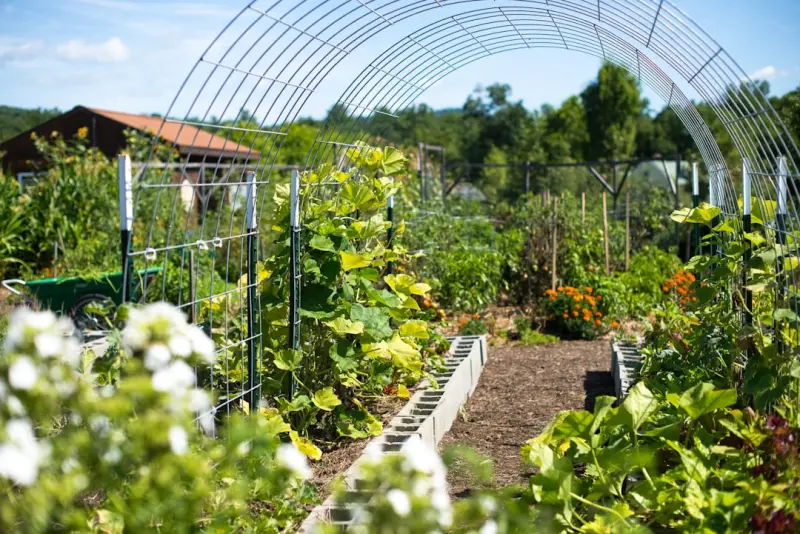
Hyper‑Local Harvest: How Restaurants Growing Their Own Gardens Are Changing Dining
A deep dive into the rise of hyper‑local restaurants that grow their own produce, delivering unmatched freshness while championing sustainability and communit...Read More
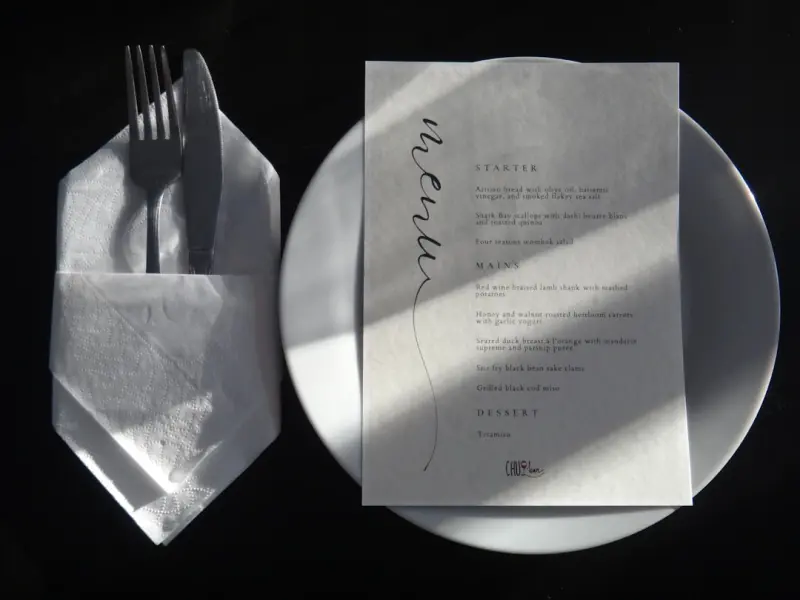
Micro-Seasonal Menus: Dining at the Edge of Harvest
Discover the excitement of micro‑seasonal menus—dishes that exist for just days, linking diners to the freshest harvests, supporting local growers, and offe...Read More
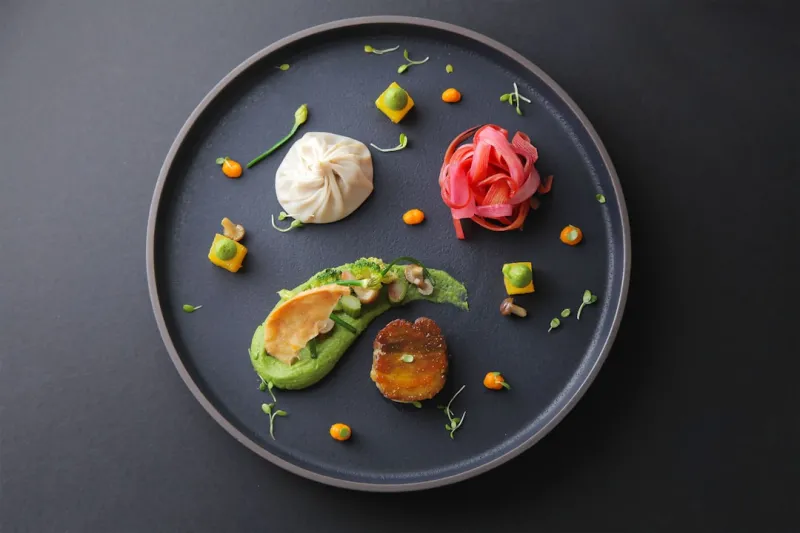
The Pursuit of Gastronomic Excellence: A Journey Through the World's Best Restaurants
Join me on a culinary journey through the world's best restaurants, where exceptional fine dining experiences await. From elegant eateries to avant-garde establ...Read More
0 Comments
Post Comment
You will need to Login or Register to comment on this post!