
The Allure of Narrative Plates
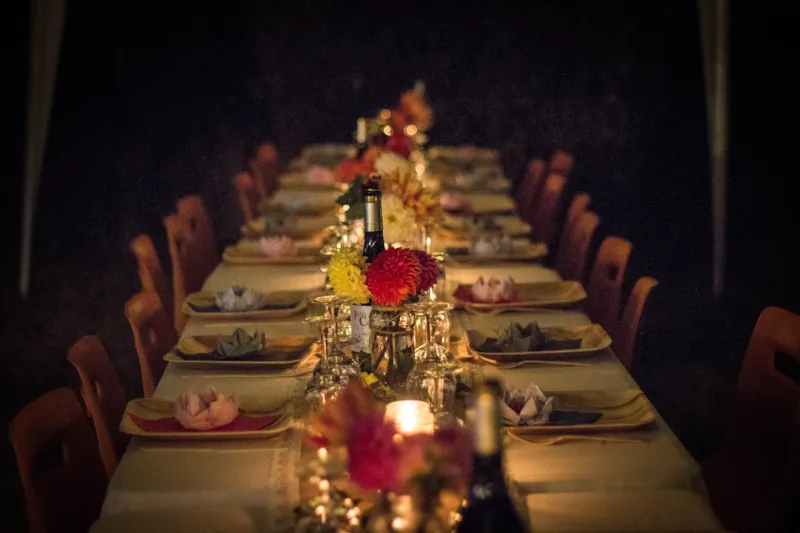
When I first stepped into a dimly lit tasting room where the chef greeted me with a whisper of herbs and a promise of a story, I realized that fine dining had evolved beyond taste alone; it had become a theatrical experience that engages every sense, from the rustle of linen to the flicker of candlelight. In that moment, the plate was no longer a mere vessel for food but a canvas on which a narrative unfolded, each garnish a punctuation mark, each sauce a subtle metaphor that invited contemplation. This shift feels like a love affair between gastronomy and literature, where the story of the dish is as compelling as its flavor, and I find myself savoring both the palate and the plot.
From Menu to Memory
Menus today read like short story collections, each title teasing a journey—“Winter’s Whisper” or “Midnight Orchard”—and I cannot help but feel the excitement of turning a page before the first bite even arrives. The anticipation builds as the server narrates the provenance of each ingredient, turning farm-to-table facts into anecdotes that linger long after the dessert plate is cleared; it is this layering of context that transforms a fleeting meal into an indelible memory. I often reflect on how this immersive approach echoes the power of cinema, where visual and auditory cues blend with plot twists, and I find my own role as a diner evolving into that of an attentive audience.
Sensing the Story
In a world where Instagram filters can mask reality, the authenticity of a story‑driven tasting menu feels refreshingly raw; the chef’s voice is audible not just in the kitchen but through the textures that dance on my tongue, the aromas that rise like plot twists, and the visual composition that mirrors a well‑crafted photograph. I recall a moment when a single spoonful of smoked beet puree evoked the memory of a rain‑soaked forest, and I realized that the chef had deliberately woven environmental cues into the dish, turning a simple bite into an immersive scene. This multisensory choreography reminds me why I chase these experiences: they feed not only my stomach but my imagination, leaving a lingering curiosity that propels me to the next story.
Crafting the Narrative with Ingredients
Every ingredient now carries a backstory, and chefs act as curators who select not just flavors but characters; a heirloom tomato becomes the protagonist, a pinch of sea salt the subtle antagonist, and a drizzle of aged balsamic the resolution that ties the arc together. I once watched a chef plate a deconstructed shepherd’s pie, each component laid out like chapters on a pristine white board, inviting diners to piece together the narrative in their own order, an interactive plot that respects personal interpretation. Such intentionality elevates the dining ritual, turning the act of chewing into a deliberate act of reading, and I find that my palate becomes more attuned to nuance, seeking the subtext hidden beneath each garnish.
Storytelling as a Competitive Edge
Restaurants that master the art of narrative gain a distinct advantage in a saturated market, and I’ve observed how they leverage storytelling not merely as decoration but as a core differentiator that garners buzz and loyalty. A recent article titled The Hidden Narrative: How Today’s Restaurants Turn Meals into Stories highlighted how chefs use seasonal myths to frame their menus, creating a sense of urgency and relevance that resonates with diners craving meaning. By weaving cultural references and personal anecdotes into each course, these establishments transform a simple dinner into a conversation starter, encouraging patrons to share their experience across social platforms, thereby amplifying the restaurant’s reach organically.
Designing Spaces That Echo the Tale
The physical environment now acts as an extension of the story, with lighting, tableware, and even floor textures curated to complement the culinary plot; I once dined in a room where walls were painted to mimic sunrise hues, setting the stage for a breakfast‑inspired tasting that unfolded like a day’s progression. Such intentional design ensures that every sensory input reinforces the narrative, making the experience cohesive rather than fragmented, and I often find myself pausing to appreciate a subtle detail—a carved wooden spoon or a vintage wine glass—that subtly reinforces the theme. This holistic approach reminds me that fine dining has become an interdisciplinary art, where architecture, design, and gastronomy converse in perfect harmony.
Technology Enhances the Tale
Modern kitchens are embracing technology to deepen storytelling, from augmented reality menus that animate the origin of each spice to interactive tables that respond to touch, projecting visual accompaniments that enrich the dish’s storyline. I experienced a dinner where a tablet displayed a short video of a fisherman hauling in the line that would become tomorrow’s sea bass, creating an emotional bond before the fish even touched my fork; this blend of digital and culinary art forms a bridge between the intangible and the tangible. While some purists fear that tech may dilute authenticity, I believe it offers chefs an additional palette to paint with, expanding the possibilities of narrative expression without compromising the core flavors.
The Role of the Diners as Co‑Authors
In this new era, the diner is no longer a passive consumer but an active co‑author, invited to interpret, rearrange, and even challenge the story presented on the plate; I have been handed a deconstructed dessert with separate components and asked to assemble it in the order that feels most meaningful to me, turning the act of eating into a collaborative writing exercise. This empowerment fosters a deeper connection to the meal, as I become personally invested in the outcome, and it also encourages chefs to design flexible narratives that accommodate diverse perspectives. The result is a dynamic dialogue where the kitchen’s intent meets the guest’s imagination, producing a unique storyline that exists only in that moment.
Future Directions: Sustainability Meets Story
Looking ahead, I see a convergence of sustainability and storytelling, where the provenance of ingredients not only informs the narrative but also underscores ecological responsibility; chefs are beginning to craft menus that trace a dish’s carbon footprint as part of its plot, inviting diners to consider the environmental impact of each bite. By embedding these messages within the culinary story, restaurants can educate patrons subtly, turning awareness into a shared value rather than a lecture; I recently enjoyed a seaweed‑infused broth accompanied by a brief tale of coastal restoration projects, which left me both satisfied and inspired to support oceanic health. This integration promises to enrich the fine‑dining experience, making it not only delicious but also meaningful on a planetary scale.
Conclusion: The Endless Chapter
My journey through the world of story‑driven fine dining has taught me that the most memorable meals are those that linger in the mind as much as they please the palate, turning each dinner into an endless chapter waiting to be revisited. As chefs continue to push boundaries, weaving narrative, design, technology, and sustainability into their creations, I anticipate that the next great culinary adventure will be just around the corner, waiting to be discovered and shared. For fellow enthusiasts eager to explore this evolving landscape, I recommend delving into resources like Why Every Bite Feels Like a Chapter: A Food Lover’s Dive into Story‑Driven Dining, which offers insight into how each bite can become a story worth telling.

When it comes to the world of blogging and writing, Rose DesRochers is a name that stands out. Her passion for creating quality content and connecting with her audience has made her a trusted voice in the industry. Aside from her skills as a writer and blogger, Rose is also known for her compassionate nature.
Related Posts
Inclusive Luxury: Fine Dining Without Compromise
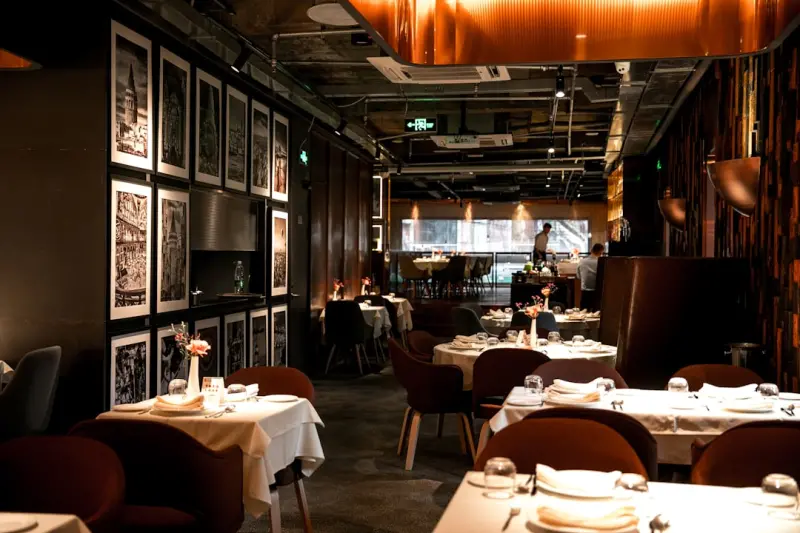
Explore the rise of truly inclusive fine dining, where menus, service, and ambiance adapt to every d... Read More
The Art of Exceptional Fine Dining: A Journey of Passion and Excellence
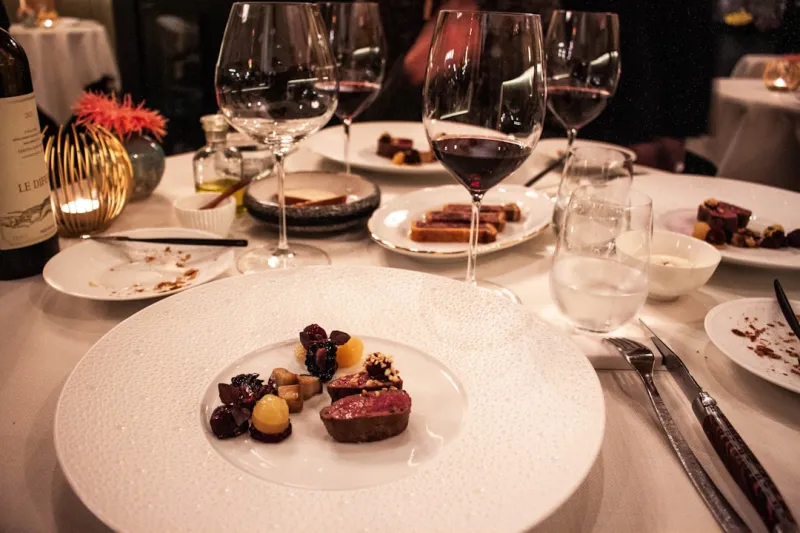
Fine dining is a lifelong passion that elevates the senses and creates unforgettable experiences. Jo... Read More
When Chefs Invite Diners to the Kitchen: The Power of Co‑Created Menus
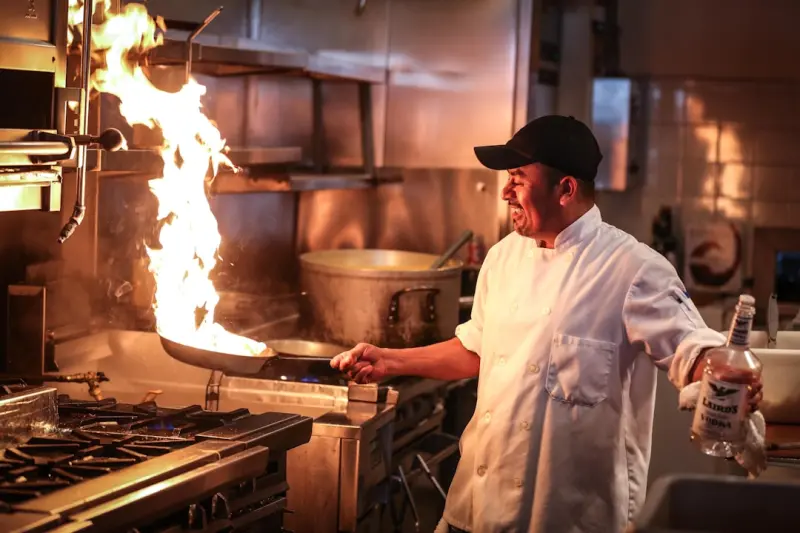
Discover the rising trend of chef‑patron collaborations that turn fine dining into a co‑created ... Read More
Top Posts
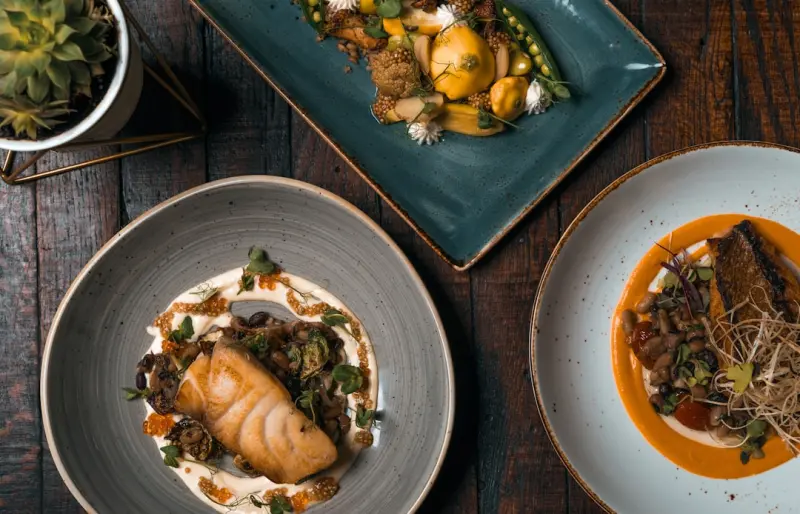
Zero‑Waste Luxury: Turning Kitchen Scraps into Fine‑Dining Gold
Explore the rise of zero‑waste fine dining, where every peel, bone, and leaf becomes a star on the plate, merging luxury with sustainability....Read More
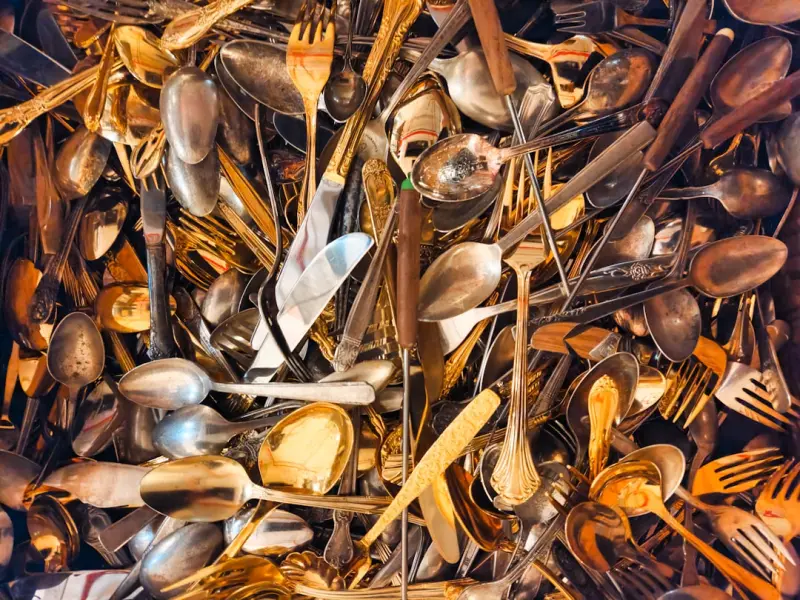
Beyond Silverware: How Tableware Design Rewrites Fine‑Dining Stories
A deep dive into the evolution of plates, glasses, and cutlery, and how their design now tells the story of every fine‑dining course....Read More

Journey Without Packing: The Best Destination Restaurants Redefining the Dining Experience
Discover restaurants that transport you across the globe with immersive settings, authentic menus, and sustainable practices—no suitcase required....Read More
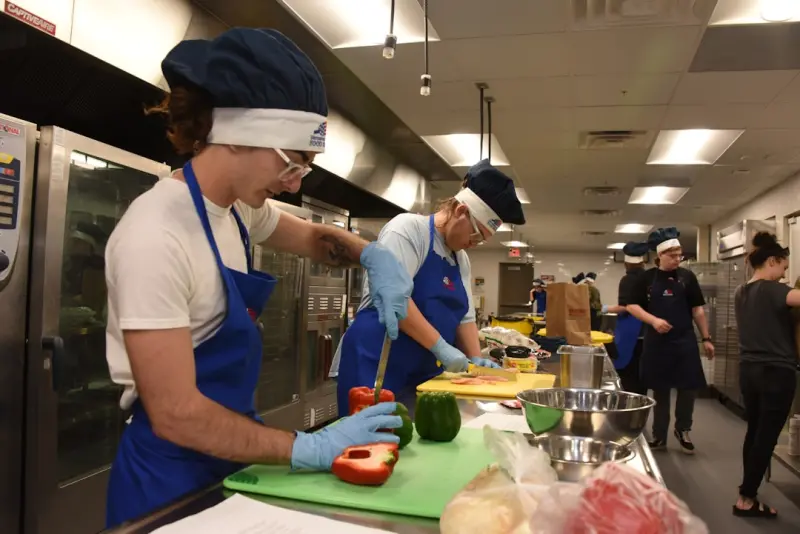
The Hidden Ingredient: How Apprenticeship Programs Are Shaping the Best Restaurants
Explore the rise of culinary apprenticeships and how they’re redefining the best restaurants, from innovative menus to sustainable practices....Read More
0 Comments
Post Comment
You will need to Login or Register to comment on this post!