
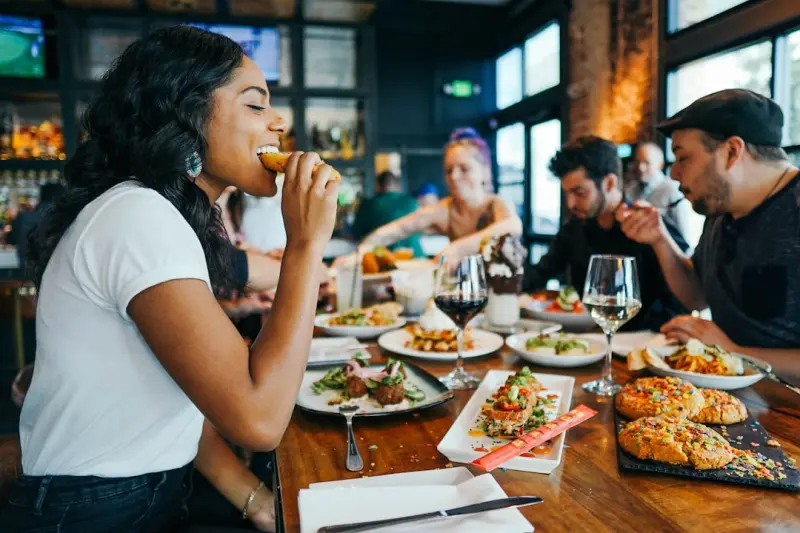
Why Eating Is About More Than Just Taste
When I first stepped into a dimly lit dining room where the scent of pine and citrus drifted through the air, I realized I was about to experience something far beyond a simple meal; it was an orchestrated symphony of the senses that left my palate humming with anticipation. The concept of sensory dining has moved from avant‑garde experiment to a strategic imperative for restaurants that want to stand out in an increasingly crowded market, inviting guests to engage sight, sound, smell, touch, and taste in a seamless narrative. By treating a restaurant like a stage, a gallery, and a laboratory all at once, chefs and designers are reshaping the very definition of hospitality.
The Power of Aroma: Setting the Scene Before the First Bite
Our sense of smell is the most immediate gateway to memory, and savvy restaurateurs are now curating bespoke scent profiles that greet diners the moment they cross the threshold, layering hints of rosemary, sea‑salt, or even fresh‑cut timber to prime the appetite. Collaborations with professional fragrance houses allow chefs to synchronize aromatic notes with menu cycles, ensuring that the perfume of a citrus‑infused starter lingers just long enough to enhance the upcoming course without overwhelming it. This deliberate olfactory choreography not only elevates the dining experience but also creates a subconscious brand signature that guests will recall long after the check is paid.
Soundscapes That Echo the Plate
Sound is the invisible thread that can either amplify or mute the flavors on a plate, and many forward‑thinking eateries now commission original compositions or curate playlists that mirror the rhythm of their cuisine, from the crackle of a wood‑fire grill to the gentle trickle of a waterfall‑inspired cocktail garnish. By partnering with local musicians or sound designers, these spaces turn ambient noise into an intentional part of the narrative, allowing a low‑tempo jazz piece to enhance the velvety richness of a braised short rib while an upbeat indie track might accentuate the zest of a citrus‑forward salad. The result is a dynamic interplay where diners find themselves tapping their feet in time with the meal, creating a multisensory memory that feels both intimate and unforgettable.
Visual Storytelling Through Light and Plate Design
From the moment a dish arrives under a soft halo of pendant lighting to the way a plate’s negative space frames a vibrant puree, visual cues guide the diner’s expectations and emotional response, making the eye an essential participant in the taste journey. Restaurants are experimenting with programmable LEDs that shift hue to match seasonal ingredients, while chefs collaborate with visual artists to craft plating that resembles abstract paintings, turning each course into a gallery exhibit. For those seeking inspiration on how space can influence perception, the piece Dining in Unexpected Spaces showcases environments where architecture and décor become extensions of the menu itself.
Texture and Tactile Interaction: When Hands Meet Food
Touch may be the most underrated sense in fine dining, yet the tactile experience of a perfectly crisp crust, a silky foam, or even the cool glide of a marble slab can dramatically alter flavor perception, prompting chefs to engineer contrast that dances on the palate and the fingertips alike. Innovative tableware—such as edible spoons, textured ceramic bowls, or chilled stone platters—invites diners to physically engage with their meals, turning the act of eating into a playful exploration of material and mouthfeel. By embedding subtle tactile surprises, restaurants encourage guests to slow down, savor each bite, and share the novelty on social platforms, amplifying word‑of‑mouth reach.
Pairing Taste with Drink: A Multisensory Harmony
While taste remains the centerpiece, the partnership between food and beverage can amplify or mute flavors, and many establishments now treat their beverage program as an equal partner in the sensory equation, designing cocktails and wine selections that echo aromatic and textural elements of the menu. A citrus‑forward amuse‑bouche might be paired with a bright, herb‑infused gin fizz that mirrors the dish’s aroma, while a smoky rib could be accompanied by a barrel‑aged stout that reinforces the charred notes on the tongue. For a deeper dive into how curated drinks elevate the overall experience, see A Sip of Excellence, which explores the art of aligning liquid and solid in perfect concert.
Case Study: A Restaurant That Turns Dining Into Performance
One of the most compelling examples of full‑sensory immersion can be found at a downtown venue that stages each course as a theatrical act, complete with projected visuals, synchronized lighting, and a live soundscape that evolves with the menu, effectively blurring the line between restaurant and theater. This approach, detailed in When the Kitchen Becomes a Stage, demonstrates how chefs can choreograph not only flavors but also emotions, guiding diners through a narrative arc that culminates in a dessert that tastes like nostalgia and looks like a sunrise. Guests leave not only satisfied but also transformed, recalling the experience as a moment of personal revelation rather than a routine dinner.
Business Benefits: Loyalty, Media Buzz, and Higher Ticket Averages
Beyond artistic ambition, sensory dining offers tangible commercial advantages: diners are more likely to linger, order additional courses, and share their experiences online, driving organic reach and higher average checks. The layered sensory cues create memorable moments that translate into repeat visitation and stronger brand affinity, while the novelty factor attracts press coverage and influencer interest, amplifying the restaurant’s profile without exorbitant advertising spend. Moreover, the integration of multisensory elements can justify premium pricing, as guests perceive greater value in an experience that engages all five senses.
Getting Started: Practical Steps for Restaurateurs
To embark on a sensory journey, begin by auditing your current environment—identify which senses are underutilized and brainstorm low‑cost enhancements such as custom scent diffusers, curated playlists, or adjustable lighting that reflects seasonal changes. Next, involve your kitchen and front‑of‑house teams in collaborative workshops to align aroma, sound, and visual cues with each menu item, ensuring a cohesive narrative that feels intentional rather than gimmicky. Finally, pilot the concept with a special tasting menu, gather guest feedback, and iterate, remembering that the most successful sensory experiences evolve organically, guided by both data and the intuitive artistry of your staff.

When it comes to the world of blogging and writing, Rose DesRochers is a name that stands out. Her passion for creating quality content and connecting with her audience has made her a trusted voice in the industry. Aside from her skills as a writer and blogger, Rose is also known for her compassionate nature.
Related Posts
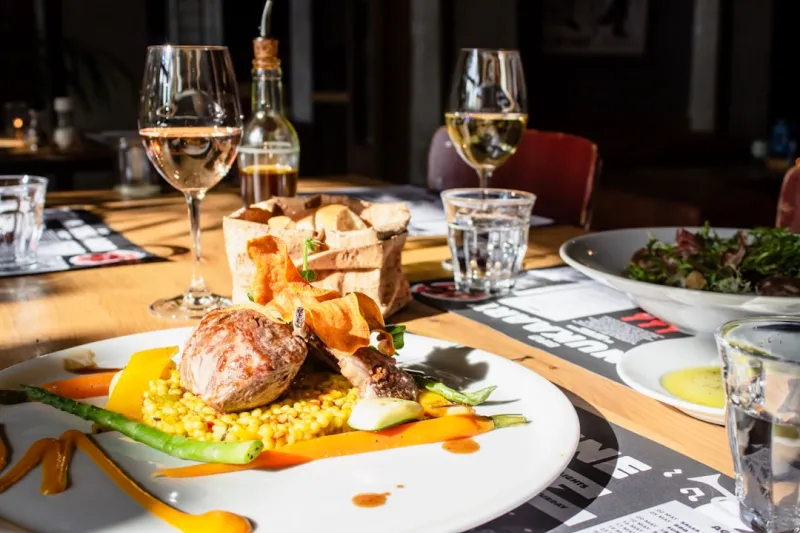
The Rise of Storytelling on the Plate: A Restaurant Lover’s Perspective
Discover how restaurants are turning meals into immersive stories, blending flavor, culture, and tec... Read More
When a Restaurant Becomes a Storytelling Playground
Explore the rise of story‑driven restaurants, where chefs craft menus as chapters, ambience become... Read More
Data‑Driven Dining: How Restaurants Personalize Every Bite
Restaurants are turning data into delicious personalization, from smart reservations to AI‑crafted... Read More
Top Posts
The Hidden Narrative: How I Turned a Dinner Into a Story
A personal account of turning a restaurant visit into a narrative journey, exploring how menus, ambiance, and chef creativity create story‑driven dining exper...Read More
Discover the Best Restaurants That Turn Meals Into Stories
A foodie’s guide to restaurants that transform meals into stories, offering immersive flavors, captivating ambience, and memorable narratives on every plate....Read More
The Art of Fine Dining: A Lifelong Passion
Join Rose DesRochers on a journey through the world of fine dining, where every meal is a masterpiece of flavors, textures, and presentation....Read More

A Flavor‑First Journey Through the Hottest Restaurants
Dive into a flavor‑first adventure that uncovers hidden culinary gems, where each dish tells a story and every restaurant feels like a living narrative....Read More
0 Comments
Post Comment
You will need to Login or Register to comment on this post!