
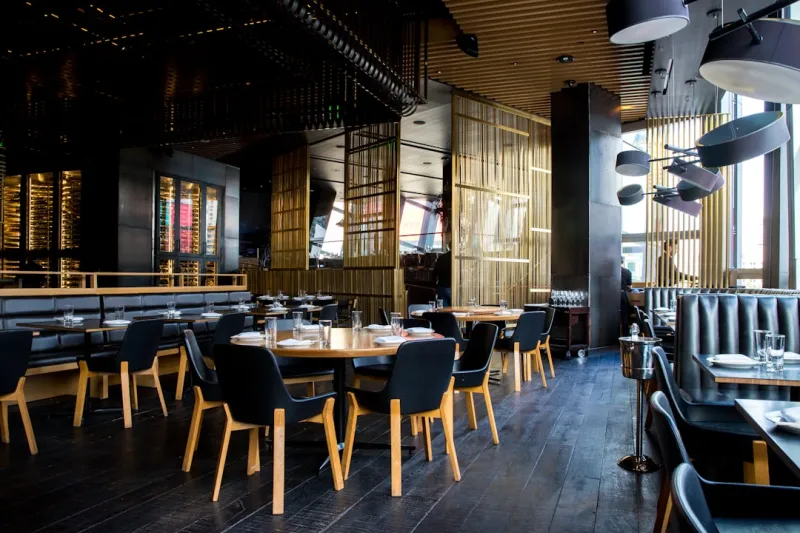
A Flavor‑First Perspective on 2026’s Restaurant Landscape
Walking into a new hotspot in 2026 feels less like a simple meal and more like stepping onto a curated stage where aroma, sound, and sight choreograph with every bite; I’ve learned to let my senses take the lead, and the chefs have responded by designing menus that are as much narrative as they are nourishment. The flavor‑first philosophy that I’ve championed for years now finds its most daring expression in pop‑up gardens that double as edible art installations, where the plate itself tells a story before the fork ever meets the food. As I sit at the communal table, I hear the subtle clink of glassware echoing the rhythm of a local jazz trio, and I realize that the dining experience has become a living, breathing story that unfolds with each course.
Storytelling Meets Sustainability
One of the most thrilling shifts this year is how chefs are weaving sustainability into the very fabric of their narratives, turning farm‑to‑table into farm‑to‑story, and I’ve been privileged to witness it firsthand at a riverside venue that sources every herb from a nearby permaculture plot. The menu reads like a novella, each dish labeled not just with ingredients but with the journey of those ingredients—from seed, through soil, to plate—inviting diners to taste the provenance in every mouthful. It’s a movement that feels both urgent and poetic, and it aligns perfectly with the ideas explored in Why 2026 Is the Year Fine Dining Becomes a Sensory Storytelling Feast, where the authors argue that narrative depth amplifies ecological responsibility.
Technology as a Silent Partner
While the romance of hand‑crafted storytelling dominates the conversation, I can’t ignore the subtle, almost invisible role that technology plays in shaping our plates, from AI‑driven flavor pairing algorithms to immersive AR projections that transform a white‑walled dining room into a rainforest canopy. At a sleek downtown eatery, I watched a projection map pulse in sync with the chef’s plating rhythm, turning the act of garnish into a kinetic visual poem that deepened my anticipation before the first bite even arrived. This marriage of tech and taste isn’t about gimmickry; it’s about enhancing the sensory immersion that modern diners crave, a theme echoed in many of the stories I’ve been following across the culinary world.
Community Tables and Collective Memory
There’s a growing trend toward communal seating that transforms strangers into co‑authors of the evening’s narrative, and I’ve found that sharing a table amplifies the emotional resonance of each dish, as conversations ripple like a shared soundtrack behind the clatter of cutlery. In one recent experience, a chef invited us to contribute a personal memory to a “story broth”—a simmering pot that collected whispered anecdotes from each guest, infusing the final soup with a palpable sense of collective history. The result was a dish that tasted of nostalgia, laughter, and the quiet hum of connection, reminding me why the human element remains the most potent ingredient of all.
Regional Revivals and Global Inspirations
2026 is witnessing a renaissance of regional cuisines, with chefs digging deep into local archives to resurrect forgotten flavors while simultaneously flirting with global techniques that add unexpected twists; I was astonished at a coastal bistro that paired ancient seaweed fermentation methods with a modern sous‑vide approach, creating a texture that was at once familiar and futuristic. The dish felt like a dialogue between centuries, proving that honoring tradition does not preclude innovation but rather fuels it. This delicate balance between heritage and avant‑garde is the beating heart of the culinary stories that dominate our tables today.
Design as Dining
The physical space has become an extension of the menu, and I’ve started evaluating a restaurant’s success as much by its architecture as by its flavor profiles; a minimalist bamboo pavilion can whisper tranquility, while a reclaimed‑industrial loft might shout boldness, each setting priming the palate for what’s to come. One standout venue uses kinetic lighting that shifts hue with the progression of the tasting menu, subtly guiding diners through emotional peaks and valleys without a single word spoken. It’s a reminder that every visual cue, from tableware to wall color, contributes to the overall narrative, turning each outing into a multi‑sensory performance.
Ingredient Heroes: The Rise of Hyper‑Local Produce
Hyper‑local sourcing has moved beyond the buzzword to become a central character in today’s restaurant stories, and I’ve been delighted to watch micro‑farmers become the celebrated protagonists of menus that once relied on distant imports. At a downtown rooftop garden, I tasted a salad whose lettuce was harvested just minutes before plating, its crispness a testament to the power of immediacy and the chef’s reverence for freshness. This close‑to‑source approach not only reduces carbon footprints but also deepens the emotional connection diners feel, knowing that each bite is a direct line to the farmer’s hands.
The Power of Curated Pairings
Wine, cocktail, and even non‑alcoholic pairings have evolved into narrative tools that echo the story of the food, and I’ve found myself eagerly anticipating the moment a sommelier unveils a bottle whose terroir mirrors the dish’s origin, creating a duet of flavor and place. In a recent tasting, a herbal infusion was paired with a rare, earth‑toned spirit, the two intertwining to echo the earthy undertones of a mushroom risotto and amplifying the dish’s umami depth. Such thoughtful pairings transform the act of drinking into another chapter of the culinary tale, reinforcing the overall theme of cohesion and storytelling.
Where to Go Next?
If you’re hungry for more of these flavor‑first adventures, the best place to start is with a guide that maps out the most innovative experiences across the country; I recommend checking out The Ultimate 2026 Guide to the Best Restaurants You Must Experience, which curates venues that excel at weaving narrative, sustainability, and technology into every bite. Each recommendation feels like an invitation to join a larger conversation about what dining can become when we treat it as a story rather than a service. So, grab your curiosity, bring an open palate, and let 2026’s most daring chefs show you how food can be both a memory and a masterpiece.

Becky Putman is an Ottawa-based freelance writer and marketing professional with a passion for storytelling, animals, and community involvement. She enjoys creating engaging content that informs, inspires, and connects with readers.
Related Posts
Dining as Narrative: How Restaurants Are Turning Meals into Stories
Explore the rise of narrative dining, where chefs craft immersive, flavor‑first experiences that t... Read More
Becky Putman's 2024 Restaurant Renaissance: Tasting the Trends
In 2024, restaurants are rewriting the rulebook. Becky Putman shares her insider view on the bold fl... Read More
How Restaurants Turn Dinner Into a Story Worth Telling
Explore the art of narrative dining, where menus read like chapters, staff act as storytellers, and ... Read More
Top Posts
When a Meal Becomes a Narrative: My Journey Through Story‑Driven Fine Dining
Explore the art of turning meals into narrative journeys, where each course tells a story and fine dining becomes a multi‑sensory novel....Read More
Becky Putman's 2024 Foodie Forecast: The Best Restaurants You Can't Miss
Becky Putman reveals the 2024 restaurant renaissance, highlighting hidden gems, flavor‑first dishes, and sustainable trends that make every meal an unforgetta...Read More
When Chefs Invite Diners to the Kitchen: The Power of Co‑Created Menus
Discover the rising trend of chef‑patron collaborations that turn fine dining into a co‑created experience, blending personal stories with culinary artistry...Read More

How Personal Memory Shapes the Fine‑Dining Experience
Fine dining isn’t just about taste; it’s a journey through memory. Explore how chefs, wine, and service weave personal stories into unforgettable meals....Read More
0 Comments
Post Comment
You will need to Login or Register to comment on this post!