

The Invisible Engine: Systems That Keep a Kitchen Flowing
When you step into a restaurant that feels effortless, the magic you experience is rarely accidental; it’s the product of meticulously calibrated operational systems humming behind the scenes. I’ve spent countless evenings watching chefs glide from station to station, and the secret isn’t just talent—it’s a synchronized dance of inventory algorithms, prep schedules, and real‑time data that tells the team exactly what to pull, when to pull it, and how much to pull, eliminating the frantic scramble that can turn a great night sour. This kind of precision, often powered by cloud‑based inventory platforms, not only reduces waste but also ensures that each plate arrives with the same level of excellence that earned the establishment its reputation.
Equally vital is the way reservation and kitchen‑ticket software communicate, turning a simple booking into a living blueprint for the night’s service. When a host inputs a party of four with a preference for a specific wine, the system instantly flags the kitchen, allowing the chef to adjust timing, while the sommelier prepares the perfect match, creating a seamless handoff that feels almost telepathic. The result is a dining experience where nothing is left to chance, and guests leave convinced that the restaurant operates with the precision of a well‑tuned orchestra, each instrument playing its part without missing a beat.
People Power: Training, Culture, and Chef‑Patron Trust
Behind every smooth operation stands a team that has been cultivated with purpose, and the most successful establishments treat staff development as an ongoing, immersive journey rather than a one‑time onboarding. I’ve witnessed restaurants that embed apprenticeship programs into their DNA, pairing seasoned mentors with eager newcomers, creating a pipeline of talent that grows alongside the restaurant’s evolving menu. This model not only preserves culinary traditions but also injects fresh perspectives, keeping the kitchen dynamic and resilient in the face of changing trends.
Culture, however, extends beyond the kitchen walls; it’s the conversation at the host stand, the genuine smile from the server, and the way the chef steps out to greet guests. When service transforms into genuine dialogue, diners feel seen, and loyalty blooms. An article I once read about service as conversation highlighted how these moments turn ordinary meals into memorable experiences, reinforcing the idea that hospitality is as much about emotional intelligence as culinary skill. The best restaurants embed this ethos, training staff to listen, anticipate, and respond with authenticity, turning every interaction into a subtle act of storytelling.
The relationship between chef and patron is another underappreciated pillar of consistency. When a chef makes the effort to introduce a dish personally, explain its provenance, or even invite feedback, diners develop a sense of partnership rather than passive consumption. This dialogue fuels iterative improvement, allowing the kitchen to fine‑tune flavors in real time, and it cultivates a community where regulars feel like collaborators in the restaurant’s creative journey. In my experience, those establishments where the chef is visible and approachable consistently rank among the most beloved, because they turn the act of eating into a shared adventure.
Feedback and Future‑Proofing: How Restaurants Stay on Top
Listening to guests isn’t a one‑off after‑dinner questionnaire; it’s an integrated feedback loop that informs menu development, staffing adjustments, and even décor updates. Savvy restaurateurs employ digital comment cards that capture sentiment instantly, then feed the data into analytics dashboards that highlight patterns—perhaps a recurring praise for a particular spice blend or a subtle complaint about seating comfort. By treating this information as a living document, the restaurant can pivot quickly, experimenting with small changes that compound into significant enhancements over time.
Beyond direct feedback, the best restaurants also anticipate future trends by maintaining close relationships with local producers and monitoring agricultural calendars. When a farmer announces an early harvest of heirloom tomatoes, the chef can seize the opportunity to craft a limited‑time dish that showcases the fruit at its peak, delivering a sense of urgency and exclusivity that keeps diners returning. This hyper‑local sourcing not only supports the community but also reinforces the restaurant’s narrative of freshness and relevance, positioning it as a forward‑thinking beacon in a crowded culinary landscape.
Finally, continuous education ensures that both front‑ and back‑of‑house teams stay ahead of industry shifts, whether that’s mastering new cooking techniques, understanding emerging dietary preferences, or mastering sustainable practices. Regular workshops, tasting panels, and cross‑departmental training sessions create a culture of curiosity, where innovation is celebrated rather than feared. When a restaurant invests in its people’s growth, it builds a resilient foundation that can weather market fluctuations, maintain its reputation for excellence, and, most importantly, keep guests coming back for the reliable brilliance they’ve come to expect.

When it comes to the world of blogging and writing, Rose DesRochers is a name that stands out. Her passion for creating quality content and connecting with her audience has made her a trusted voice in the industry. Aside from her skills as a writer and blogger, Rose is also known for her compassionate nature.
Related Posts

From Soil to Plate: How Local Farms Shape the Best Restaurants
Explore the farm‑to‑table revolution that powers top restaurants, where local growers and chefs ... Read More

Hidden Gems: Unlocking the World of Invitation‑Only Restaurants
Explore the rise of invitation‑only restaurants, learn insider tips to join these exclusive clubs,... Read More
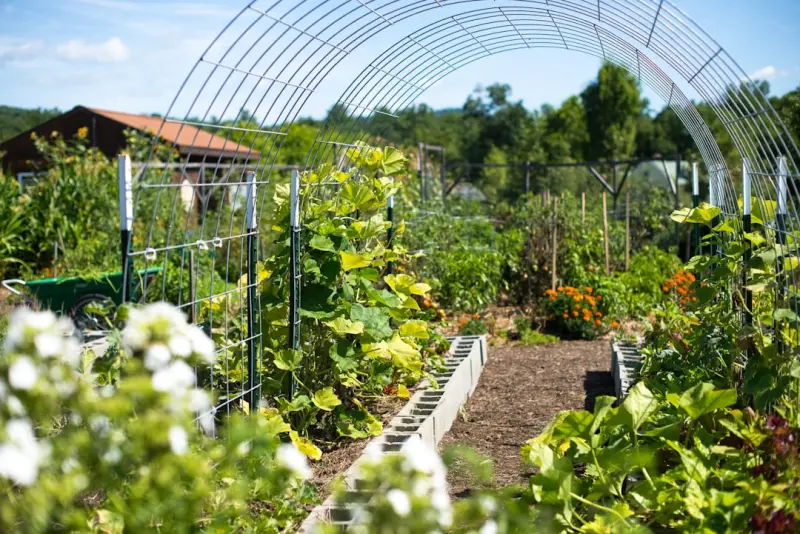
Hyper‑Local Harvest: How Restaurants Growing Their Own Gardens Are Changing Dining
A deep dive into the rise of hyper‑local restaurants that grow their own produce, delivering unmat... Read More
Top Posts
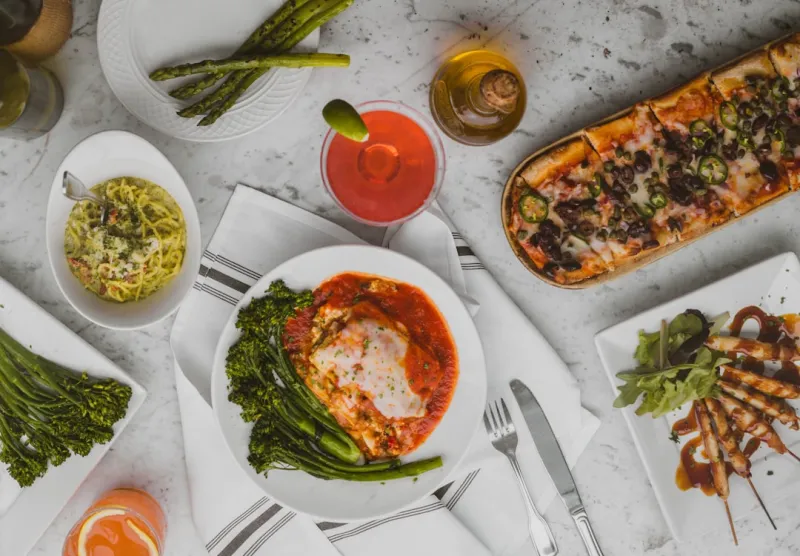
The Best Restaurants That Turn Meals Into Stories
A food lover’s guide to the restaurants that weave narrative into every bite, creating immersive dining experiences that linger long after the last course....Read More
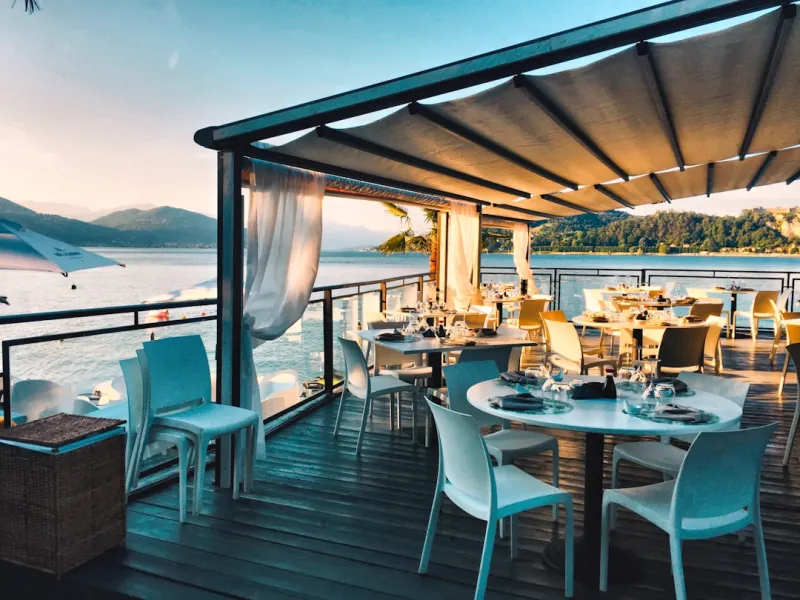
Fine Dining in 2024: Rose DesRochers’ Vision for Flavor, Story, and Innovation
Rose DesRochers reveals how fine dining in 2024 fuses narrative menus, cutting‑edge tech, and sustainable practices to create immersive, story‑driven culina...Read More

The Secret Narrative Behind Every Fine‑Dining Plate
Explore the art of narrative dining, where chefs, ambience, and service collaborate to turn each course into a compelling story, leaving lasting impressions bey...Read More
Fermentation‑Focused Restaurants: The Quiet Revolution Changing Your Plate
Discover how fermentation‑focused restaurants are reshaping dining with probiotic‑rich dishes, sustainable practices, and innovative chef collaborations, of...Read More
0 Comments
Post Comment
You will need to Login or Register to comment on this post!