

Why Service Rituals Matter More Than You Think
When you step into a restaurant, the first thing you notice isn’t the décor or the menu, but the subtle choreography that unfolds from the moment you are greeted until the final farewell; this invisible script is what I call a service ritual, and it shapes the emotional contour of the entire dining experience. Over the years I’ve watched diners leave with stories that center not on the food itself, but on the way a host smiled, a server remembered a name, or a bartender timed a toast to the rhythm of the evening, proving that human connection can be the most memorable garnish. Understanding how these moments are deliberately crafted reveals a hidden layer of hospitality that can turn a good night out into a lifelong loyalty loop.
The Power of a Warm Welcome
A warm welcome acts as the opening line of a conversation you never expected to have with a stranger, and it sets the tone for everything that follows; the host’s eye contact, the genuine tone of voice, and even the timing of the first drink can make guests feel seen or invisible within seconds. In my own visits, I’ve discovered that establishments that train staff to personalize the greeting—by using a guest’s name or referencing a previous visit—create an immediate sense of belonging that bypasses the need for elaborate marketing campaigns. This initial ritual, though brief, plants a seed of trust that can blossom into repeated visits, especially when the rest of the service follows the same attentive script.
Sequencing Service: The Art of Timing
Just as a well‑composed piece of music relies on timing, a restaurant’s service rhythm hinges on the precise sequencing of actions, from the moment the plates arrive to the cadence of water refills and check presentations; a misstep in this flow can disrupt the guest’s immersion. I’ve observed that top‑tier establishments use a silent checklist that guides servers on when to clear a dish, when to introduce a new course, and when to offer a palate‑cleanser, ensuring a seamless narrative that feels effortless. This meticulous timing not only showcases the kitchen’s talent but also respects the diner’s appetite for both flavor and space, allowing each bite to resonate fully before the next arrives.
The Subtle Language of Table Touchpoints
Every point of contact at a table—from the weight of the silverware to the temperature of the glass—conveys a silent message about care and quality, and these tactile cues are integral to the service ritual’s success. I recall a dinner where the napkins were folded into an intricate shape that mirrored the restaurant’s theme, and the subtle warmth of the bread basket invited guests to linger, creating a tactile story that complemented the visual and gustatory elements. When staff pay attention to these micro‑details, they transform a functional surface into a canvas for storytelling, reinforcing the brand’s personality without saying a word.
Personalized Farewells That Echo the Evening
Just as a strong opening is crucial, a thoughtful farewell can seal the emotional imprint of the night, turning a single meal into a lasting memory that diners recount to friends and family. I’ve been pleasantly surprised by restaurants that handwrite a brief thank‑you note, offer a complimentary treat that references a dish enjoyed earlier, or simply ask for honest feedback in a tone that feels sincere rather than perfunctory. These closing gestures act as the final brushstroke on a masterpiece, reminding guests that they were more than a transaction—they were part of a curated experience.
Training the Team: From Script to Soul
Behind every polished ritual lies a rigorous training program that balances consistency with authenticity, ensuring each staff member can adapt the script to their unique personality while preserving the brand’s core values. In my observations, the most successful restaurants empower servers to own the ritual, encouraging them to add personal flair—such as sharing a favorite wine pairing anecdote—without deviating from the essential flow. This approach nurtures a sense of ownership among employees, which translates into genuine enthusiasm that diners can feel, bridging the gap between standardized service and heartfelt hospitality.
Leveraging Data Without Losing the Human Touch
Modern technology offers a treasure trove of guest insights, but the challenge lies in using that data to enhance, not replace, the human elements of service rituals; a well‑timed recommendation based on past orders can feel magical when delivered with a sincere smile. I’ve seen restaurants integrate reservation systems that flag a returning guest’s favorite table or preferred wine, allowing servers to anticipate needs before they are voiced, thereby deepening the personal connection. When data is woven subtly into the ritual, it amplifies the guest’s perception of attentiveness without making the experience feel mechanical.
Creating Rituals Around Signature Drinks
Beyond food, the way a restaurant crafts and serves its signature cocktails can become a ritual in itself, offering an additional sensory layer that reinforces brand identity and guest loyalty. I once watched a bartender perform a brief, theatrical flame‑kissed garnish ceremony that not only heightened anticipation but also gave patrons a story to share on social media, effectively turning the drink into an ambassador of the venue. By designing these drink‑centric moments with intentional choreography, establishments add a memorable climax to the dining journey that extends beyond the plate.
Measuring Success: Guest Sentiment and Repeat Visits
Quantifying the impact of service rituals requires looking beyond traditional metrics like table turnover and instead focusing on guest sentiment, online reviews, and the frequency of repeat bookings, which collectively signal emotional resonance. In my experience, restaurants that regularly solicit post‑dining feedback and act on it—adjusting greeting scripts, tweaking timing intervals, or refining farewell gestures—see a measurable uplift in customer loyalty scores and word‑of‑mouth referrals. This feedback loop creates a culture of continuous improvement, where rituals evolve organically in response to real‑world guest experiences.
Future Trends: Immersive, Multi‑Sensory Service Design
Looking ahead, the next evolution of service rituals will likely blend technology, design, and human touch to craft fully immersive, multi‑sensory experiences that engage sight, sound, touch, and even subtle aromas in a cohesive narrative. Imagine a dining room where lighting shifts in harmony with the progression of courses, while subtle vibrations under the table sync with the rhythm of a live acoustic set, creating an orchestrated atmosphere that feels both futuristic and deeply personal. As restaurants experiment with these layered rituals, they will need to balance innovation with authenticity, ensuring that the human connection remains at the heart of every interaction, just as we explore in menu design psychology and the rise of AI‑enhanced service.

When it comes to the world of blogging and writing, Rose DesRochers is a name that stands out. Her passion for creating quality content and connecting with her audience has made her a trusted voice in the industry. Aside from her skills as a writer and blogger, Rose is also known for her compassionate nature.
Related Posts
Diners Turned Chefs: The Collaborative Kitchen Trend
Restaurants are breaking the kitchen door, letting diners help design the menu. This collaborative a... Read More
The Restaurant Renaissance: Becky Putman's 2024 Flavor-First Exploration
Becky Putman explores the 2024 restaurant renaissance, unveiling hidden gems, sustainable practices,... Read More
When a Restaurant Becomes a Storytelling Stage
Discover the art of narrative dining, where chefs craft each course like a chapter, turning meals in... Read More
Top Posts
Augmented Reality at the Table: Redefining Fine Dining Experiences
Discover how AR tabletop technology turns fine dining into a multisensory performance, blending visual storytelling, interactive plating, and real‑time guest ...Read More
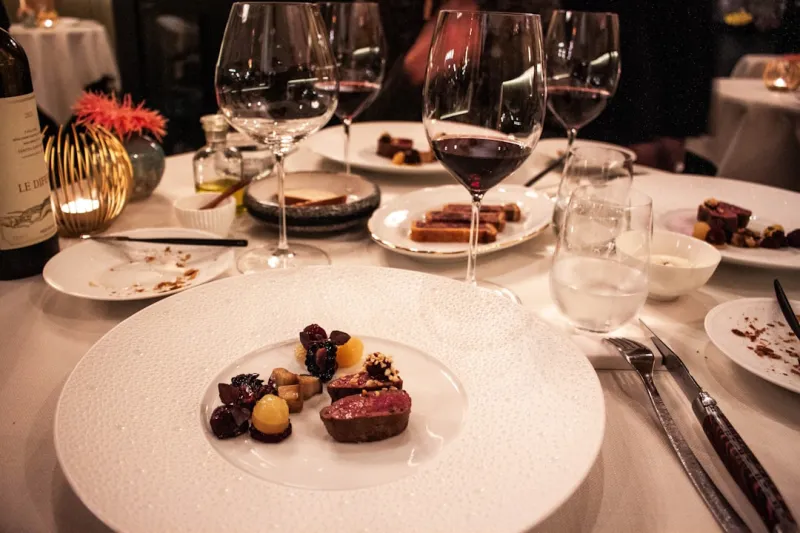
Fine Dining 2026: Flavor‑First Journey Through Story, Innovation, and Sensory Delight
In 2026, fine dining is less about prestige and more about narrative, sustainability, and immersive tech. Join me as I taste the future, one story‑rich plate ...Read More

Beyond the Plate: How Fine Dining is Elevating the Art of Beverage Pairing
Fine dining is now spotlighting drinks as narrative partners—explore craft spirits, interactive pairings, and AI‑driven mixology reshaping the culinary stag...Read More
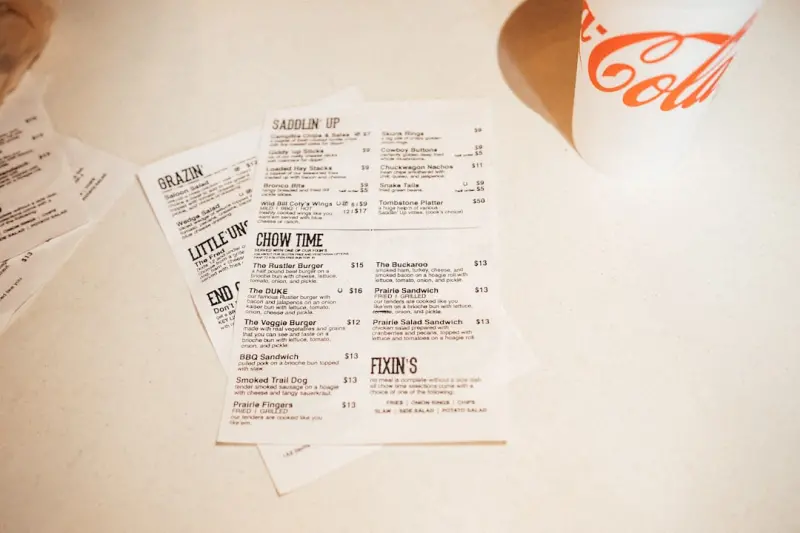
How Narrative Menus Turn a Meal into a Storytelling Adventure
Explore the art of narrative menus—how sharing a dish’s story transforms meals into memorable adventures, builds loyalty, and drives restaurant success....Read More
0 Comments
Post Comment
You will need to Login or Register to comment on this post!