
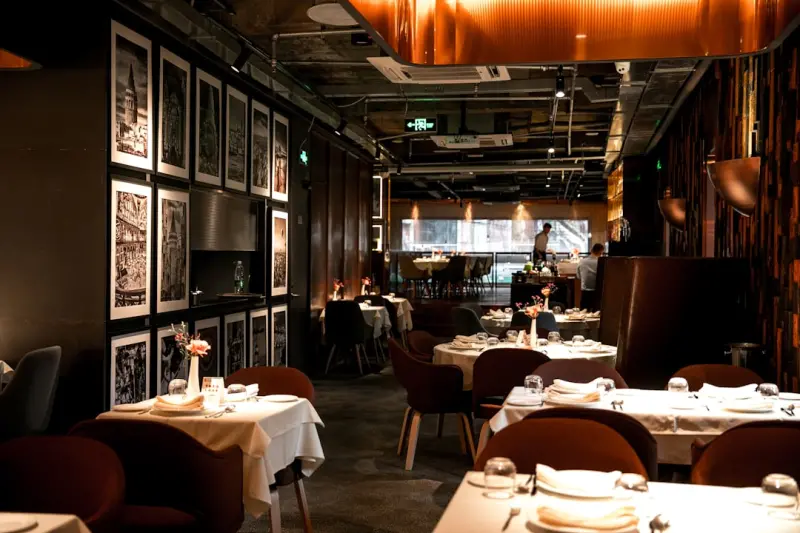
The Digital Frontier of Dining
Walking into a restaurant today often feels like stepping onto a sleek, data‑driven stage where every touchpoint is calibrated for efficiency and delight; the once‑static menu is now a living document that adapts in real time to supply, trends, and even the mood of the diner. AI‑driven personalization algorithms analyze past orders, dietary preferences, and seasonal ingredient availability to suggest dishes that feel handcrafted for each guest, turning the act of ordering into a collaborative experience rather than a simple transaction. This evolution echoes the insights from rethinking fine dining service, where technology amplifies rather than replaces the human touch, allowing servers to focus on storytelling while the system handles the logistics.
Beyond the plate, the integration of smart reservation platforms and predictive seating analytics reduces wait times dramatically, converting what used to be a source of frustration into a seamless pre‑dining ritual that sets a positive tone. Restaurants now harness machine learning to forecast diner flow, adjusting staff schedules and kitchen prep in ways that minimize waste and maximize freshness, a practice that dovetails with the sustainability narratives championed in hyper‑local harvests. The result is a dining environment where the invisible hand of data works in harmony with the visible artistry of chefs, creating a rhythm that feels both modern and intuitively human.
AI‑Powered Menu Personalization
Imagine opening a tablet at your table and seeing a curated list of dishes that not only align with your flavor profile but also anticipate the next course you might crave; this is the promise of AI‑enhanced menu engines that learn from each interaction and refine suggestions on the fly. By analyzing patterns—from the spice level you tolerate to the protein sources you favor—these systems generate dynamic pairings that feel bespoke, turning the menu into a conversational partner rather than a static brochure. The technology also respects culinary integrity, allowing chefs to embed signature dishes while offering flexible variations that cater to individual needs.
Such personalization extends to beverage selection, where AI sommeliers evaluate wine lists against the evolving palate of each guest, suggesting vintages that complement both the dish and the diner’s history of taste. This nuanced approach not only elevates the guest experience but also drives higher check averages, as diners are more inclined to explore recommended pairings they trust. The data collected in these moments feeds back into inventory management, ensuring that popular pairings are stocked proactively, reducing the dreaded “out of stock” disappointment that can mar an otherwise stellar evening.
Contactless Payments and Seamless Check‑out
In the age of touch‑free interactions, the moment you finish your meal is often marked by a discreet swipe of a phone or a quick scan of a QR code, instantly settling the bill without the traditional back‑and‑forth with a server. This contactless payment ecosystem not only speeds up turnover for high‑traffic venues but also enhances safety and privacy, a factor that has become a permanent expectation among diners. Integrated loyalty programs embedded in the same payment flow reward repeat visits with personalized offers, turning a routine transaction into an opportunity for brand engagement.
Behind the scenes, these platforms communicate with the restaurant’s point‑of‑sale system to reconcile orders, tip distribution, and inventory deductions in real time, reducing human error and freeing staff to focus on service quality. For establishments that prioritize a high‑touch ambiance, the invisible efficiency of digital check‑out allows them to maintain an atmosphere of relaxed indulgence, where guests linger over dessert without the anxiety of waiting for a check, reinforcing the perception of attentive, unobtrusive hospitality.
Kitchen Automation and Sustainable Sourcing
The kitchen, once a realm of solely human craftsmanship, now benefits from robotic assistants that handle repetitive prep tasks with surgical precision, freeing chefs to concentrate on creativity and plating artistry. Automated sous‑vide circulators, dough sheeters, and ingredient‑portioning machines ensure consistency while reducing food waste, a win‑win for both profit margins and the planet. These innovations align with the broader movement toward data‑driven sustainability, where real‑time analytics track ingredient usage and adjust orders to match actual demand.
By integrating supply‑chain dashboards, restaurants can source hyper‑local produce at optimal times, minimizing carbon footprints and supporting regional farmers—a practice highlighted in the discussion of hyper‑local harvests. The feedback loop created by kitchen sensors informs chefs about ingredient freshness, allowing on‑the‑fly menu tweaks that keep dishes vibrant and seasonally relevant, all while maintaining the high standards that define the best dining experiences.
Data‑Driven Guest Relationships
Beyond the immediate dining moment, restaurants now cultivate long‑term relationships through sophisticated CRM systems that capture guest preferences, birthdays, and even social media sentiment, turning each visit into a data point for future personalization. When a patron returns, the staff can greet them by name, recall their favorite table, and suggest new dishes that align with their evolving palate, creating a sense of belonging that transcends a single meal. This level of attentiveness mirrors the narrative depth explored in storytelling‑focused posts, but with a modern, analytical twist.
Furthermore, predictive analytics help restaurants anticipate peak times, seasonal menu demands, and emerging food trends, allowing them to innovate proactively rather than reactively. By leveraging these insights, establishments can launch limited‑time offers that feel both exclusive and timely, driving excitement and repeat business. The marriage of technology and hospitality thus becomes a virtuous cycle: data informs experience, experience generates data, and the loop continually refines the art of dining into a personalized, memorable journey for every guest.

When it comes to the world of blogging and writing, Rose DesRochers is a name that stands out. Her passion for creating quality content and connecting with her audience has made her a trusted voice in the industry. Aside from her skills as a writer and blogger, Rose is also known for her compassionate nature.
Related Posts
Exploring the Top Restaurants That Redefine the Tasting Menu Experience
A guide to restaurants that transform tasting menus into adventurous experiences through seasonal cr... Read More
Hyper‑Local Harvests: The Best Restaurants Turning Farm Freshness Into Unforgettable Meals
Explore how hyper‑local sourcing, seasonal menus, and chef‑farmer collaborations define today’... Read More

The Secret Ingredients Behind the Best Restaurants
Discover how travel memories, family heritage, daring collaborations, and smart reservation strategi... Read More
Top Posts

Journey Without Packing: The Best Destination Restaurants Redefining the Dining Experience
Discover restaurants that transport you across the globe with immersive settings, authentic menus, and sustainable practices—no suitcase required....Read More
How Restaurant Storytelling Turns a Meal into a Memory
Explore how restaurants use narrative, design, and staff charisma to transform meals into stories that linger long after the last bite....Read More
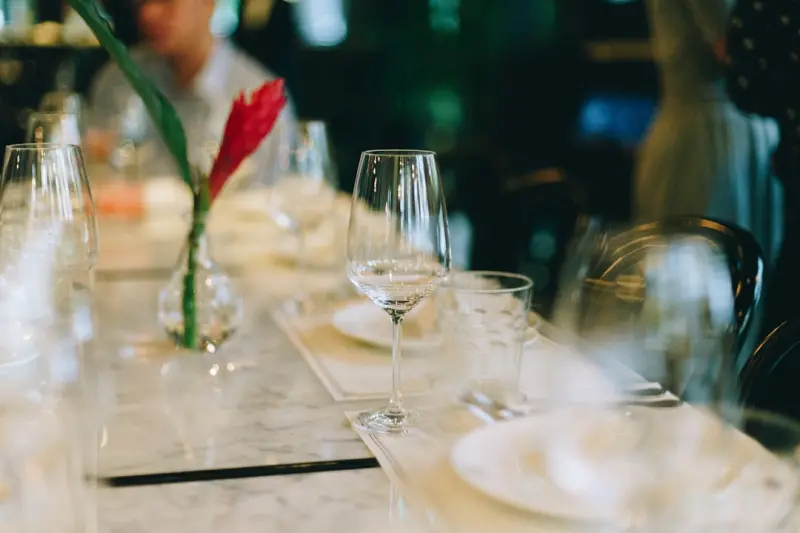
Why Fine Dining Feels Like Reading a Great Novel
Fine dining isn’t just about flavors; it’s a story unfolding on a plate. I share how chefs write plots, menus become chapters, and why the best tables feel ...Read More
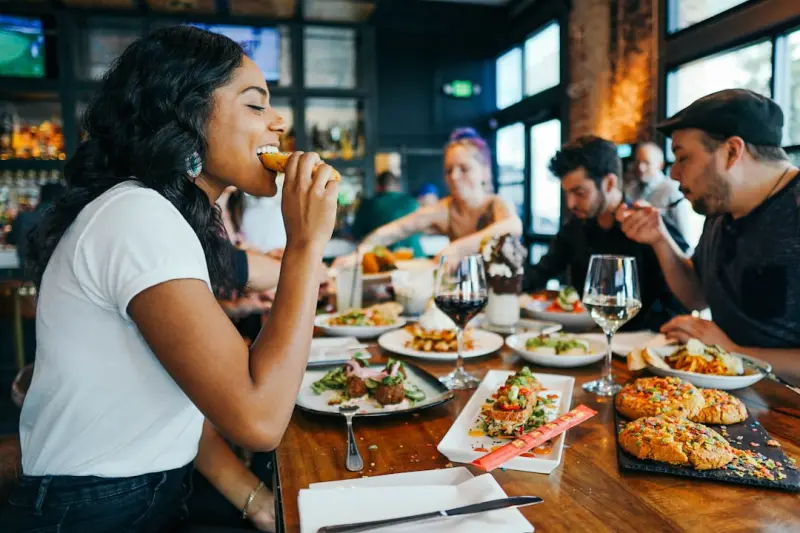
Beyond the Plate: How Restaurants Are Cultivating Community Wellness
Discover the rising trend of restaurants becoming wellness hubs, where mindful menus, soothing ambiance, and community programs turn dining into a holistic heal...Read More
0 Comments
Post Comment
You will need to Login or Register to comment on this post!