

The Rhythm of a Meal: Beyond the Plate
When I first stepped into a candle‑lit dining room, I realized that fine dining is less a static presentation and more a kinetic story, a choreography of flavors, textures, and pauses that guide the heart as much as the palate. The pacing of each course—the deliberate interval between amuse‑bouche and intermezzo—acts like a metronome, allowing the senses to settle, anticipate, and then be delighted anew, much like a well‑timed phrase in a symphony. In my experience, the most memorable meals are those where the chef subtly signals the next movement, whether through a whispered server’s cue or the gentle lowering of a chilled glass, creating a seamless narrative that feels both inevitable and surprising.
Mastering the tempo requires an intimate dialogue between kitchen and floor, a conversation that rarely reaches the diners’ ears but is felt in the ebb and flow of the evening. I have watched chefs orchestrate a crescendo of richness with a buttery lobster bisque, then gracefully decelerate into a palate‑cleansing sorbet, giving the mouth a moment to reset before the final act arrives; this ebb is as crucial as the peak, because without space, flavors clash instead of harmonizing. The art lies in knowing when to linger over a silky sauce and when to usher the table forward, a balance that transforms a sequence of dishes into a cohesive emotional journey.
In practice, timing is calibrated by more than a clock; it is informed by the diners’ body language, the subtle sigh after a perfectly cooked scallop, or the lingering glance at a dessert menu that hints at curiosity. I have learned to read these cues, allowing the service team to adjust the rhythm on the fly, extending a moment of admiration for a particularly stunning plating or accelerating the next course when the conversation is in full swing. This responsive pacing respects the guests’ agency while still delivering the chef’s intended story, making each night feel uniquely crafted rather than mechanically programmed.
Lighting, Acoustics, and the Unseen Palette
The glow above the table does more than illuminate; it sculpts the very perception of taste, casting shadows that accentuate the sheen of a braised short rib and softening the starkness of a porcelain plate, thereby influencing how we interpret richness and delicacy. I have spent countless evenings under dimmed chandeliers where the warm amber hue coaxed the eye to linger on caramelized edges, subtly encouraging a slower bite and a deeper appreciation of caramel notes that might otherwise be missed under harsh fluorescent light. By manipulating luminance, restaurants can amplify the drama of a dish without adding a single ingredient, turning light itself into an invisible seasoning.
Equally potent is the acoustic environment, a layer often overlooked in favor of music playlists, yet the gentle hum of a bustling kitchen, the muted clink of crystal, and the soft rustle of linen all contribute to a multi‑sensory tableau that frames the dining experience. In one of my favorite establishments, the architects designed a ceiling that diffused sound, preventing the clatter of plates from drowning the intimate whispers between guests, while still preserving the comforting soundtrack of a bustling back‑of‑house. This balance creates a sense of intimacy without isolation, allowing flavors to resonate as clearly as the conversation across the table.
Beyond light and sound, tactile elements—seat upholstery, table linen, even the weight of the silverware—communicate subtle cues about the meal’s intended gravitas. I recall a tasting menu where the chairs were upholstered in buttery velvet, the napkins hand‑stitched in a fine linen, and the flatware crafted from polished palladium; each tactile touch reinforced the notion of luxury, priming my mind to savor each bite with heightened expectation. When these physical sensations align with visual and auditory cues, the dining room becomes a holistic canvas where every sense collaborates to elevate the cuisine.
Storytelling Through Wine, Chef Narrative, and Intimate Counter
Wine, when paired with intention, becomes the prose that ties the chef’s visual poetry to the diner’s memory, a liquid narrative that can echo terroir, season, or even a personal anecdote from the winemaker. I once enjoyed a tasting where the sommelier introduced a small, biodynamic vineyard in the Rhône, recounting the farmer’s struggle against drought; the story lingered as the crisp rosé unfolded alongside a herb‑infused rabbit, making each sip feel like a chapter that deepened the dish’s context. By weaving such narratives, the pairing transcends mere compatibility and becomes an emotional bridge that anchors the meal in a larger story.
Equally compelling is the chef’s own memoir, often whispered through menu descriptions that hint at childhood markets, distant travels, or formative mentors; these snippets transform a list of ingredients into a map of lived experience. In my recent visit to a chef‑driven restaurant, the menu featured a “Grandmother’s Spice Blend” with a brief note about the aroma that filled the family kitchen on rainy afternoons, instantly connecting me to a sensory memory I had never lived. This personal storytelling invites diners to become co‑authors of the evening, investing them emotionally and ensuring that the flavors linger long after the plates are cleared.
Finally, the rise of intimate chef’s counter experiences offers a direct line to this narrative intimacy, allowing patrons to witness the alchemy in real time and ask questions that peel back the layers of technique and inspiration. I have spent evenings perched at a sleek marble counter, where the chef, with a flourish of a knife, explained the reason for a five‑day dry‑aged duck leg, linking the decision to a lesson learned in a remote French bistro; such transparency demystifies the process while reinforcing the chef’s authenticity. For those seeking a deeper connection, these counters provide a stage where storytelling, technique, and flavor converge, delivering a dinner that feels less like a transaction and more like a shared adventure.

When it comes to the world of blogging and writing, Rose DesRochers is a name that stands out. Her passion for creating quality content and connecting with her audience has made her a trusted voice in the industry. Aside from her skills as a writer and blogger, Rose is also known for her compassionate nature.
Related Posts

Cross‑Cultural Storytelling: How Global Fusion Is Transforming Fine Dining
Explore the rise of global fusion in fine dining, where chefs use personal heritage, cross‑contine... Read More
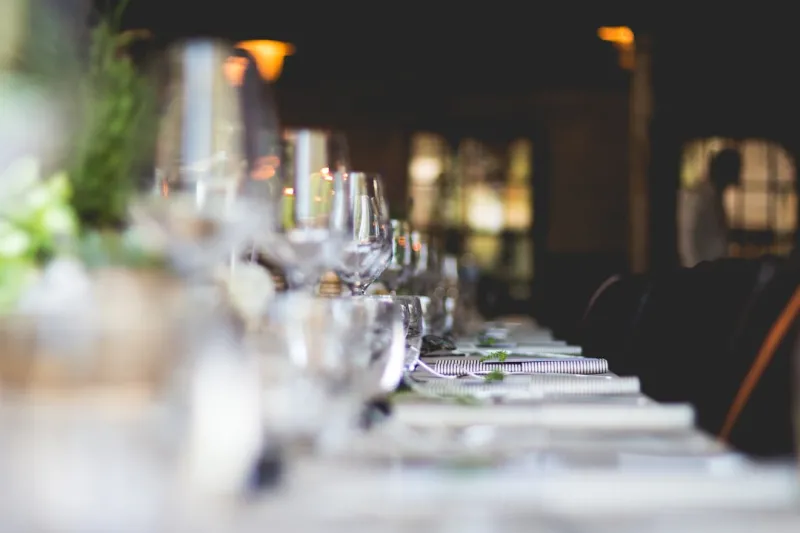
Why 2026 Is the Year Fine Dining Becomes a Sensory Storytelling Feast
In 2026 fine dining transforms into a multisensory narrative, where flavor‑first dishes, immersive... Read More
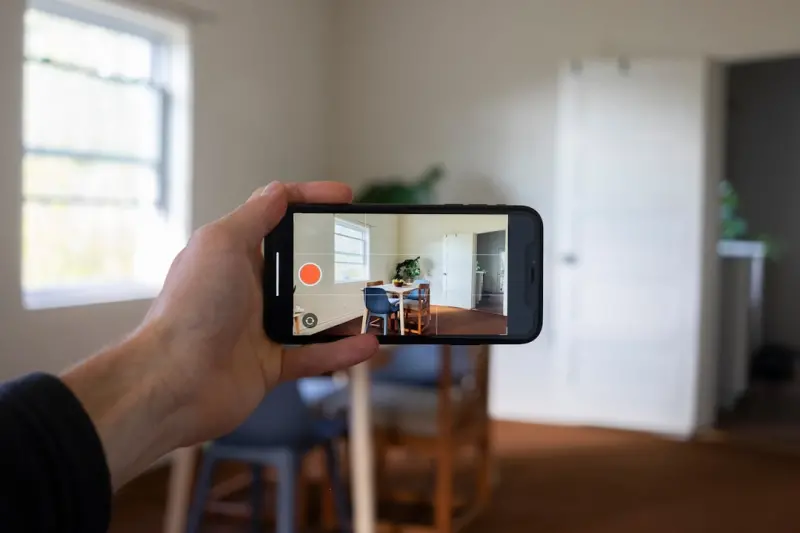
Augmented Reality at the Table: Redefining Fine Dining Experiences
Discover how AR tabletop technology turns fine dining into a multisensory performance, blending visu... Read More
Top Posts
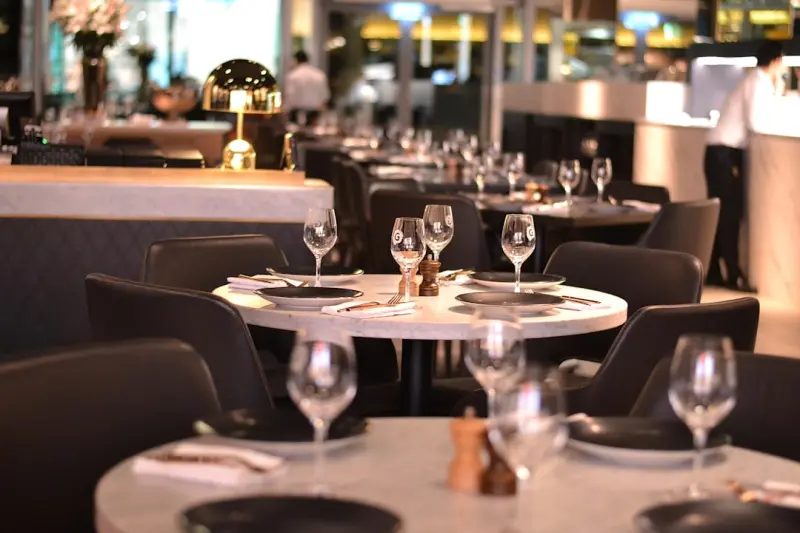
When Loyalty Becomes Luxury: How Restaurants Turn Rewards into Experiences
Explore the shift from traditional points systems to immersive, experience‑driven loyalty programs that turn diners into brand storytellers and community amba...Read More
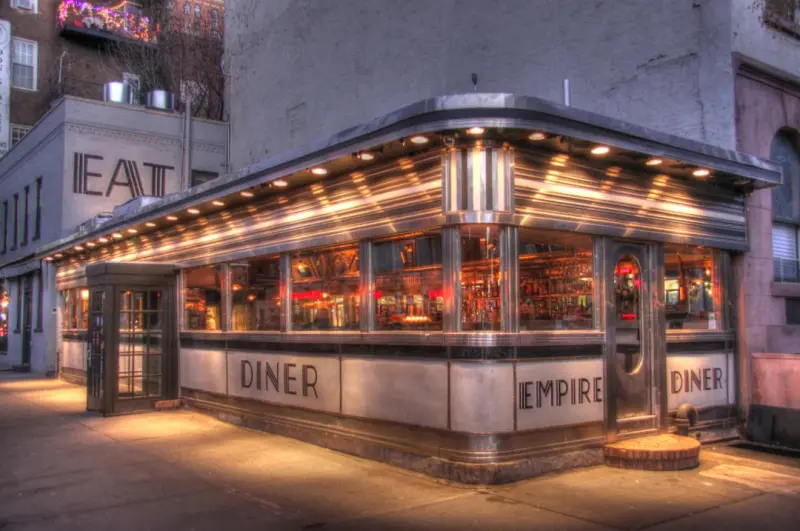
Savoring History: The Best Restaurants That Turn Heritage Buildings into Culinary Experiences
Discover how dining in heritage buildings transforms meals into time‑traveling experiences, blending architecture, story, and flavor for unforgettable moments...Read More
The Hidden Rise of Ghost Kitchens: How Invisible Restaurants Are Redefining Dining
Discover the silent surge of ghost kitchens, the tech behind data‑driven menus, and how diners can shape this invisible dining revolution....Read More
The Community Table Revolution: How Shared Seating is Redefining Restaurant Culture
Discover how community tables are reshaping restaurants, fostering spontaneous connections, and creating a fresh, shared dining experience for modern guests....Read More
0 Comments
Post Comment
You will need to Login or Register to comment on this post!