
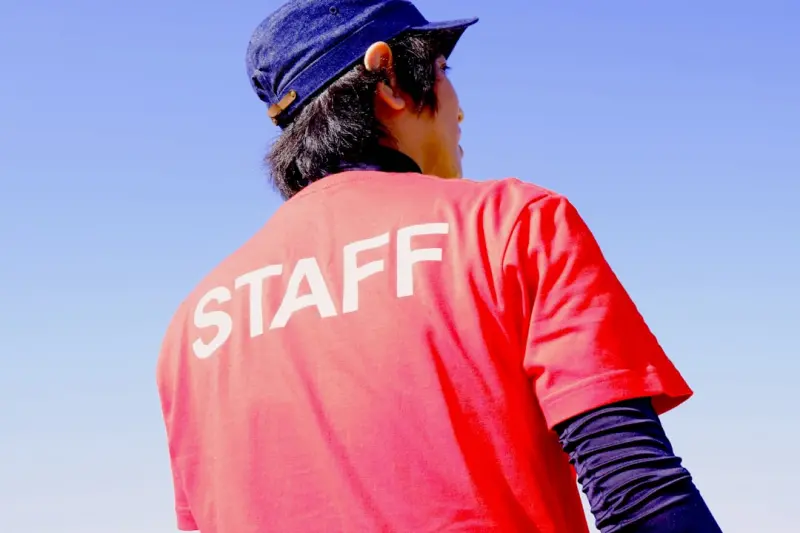
When I first stepped into the bustling kitchen of a downtown bistro, the clatter of pans was only half the soundtrack; the real melody came from the way the staff moved together, almost as if they shared a secret language. That moment sparked my curiosity about the invisible forces that turn a good restaurant into a memorable experience. In the years that followed, I’ve watched countless eateries chase trends, but the ones that consistently shine are those that nurture a vibrant staff culture.
Why Staff Culture Matters More Than the Menu
At its core, staff culture is the set of attitudes, values, and rituals that guide every interaction between employees and guests, shaping the entire dining journey from greeting to goodbye. When a server feels genuinely supported, that confidence radiates to the table, turning a simple order into a personalized conversation. Guests can’t taste enthusiasm, but they certainly feel it, and that feeling often decides whether they return.
Building a Culture That Serves
Hiring isn’t just about skill; it’s about finding people who align with the restaurant’s heartbeat and are eager to contribute to its story. I’ve learned that sharing a clear purpose during onboarding—whether it’s championing local producers or championing hospitality as an art—creates an anchor that staff return to during busy nights. When employees understand the “why” behind every dish, they become ambassadors, and that sense of ownership fuels authentic service.
Training programs that empower staff to make on‑the‑spot decisions transform a rigid operation into a living, breathing organism. Instead of a script dictating every move, I encourage my team to read the room, anticipate needs, and even suggest a wine pairing before the guest asks. This autonomy is the secret ingredient that elevates a dining experience from transactional to memorable. For a deeper dive on how behind‑the‑scenes elements shape success, see the secret ingredients behind the best restaurants.
Teamwork on the Floor and in the Kitchen
When the line cooks and front‑of‑house staff speak the same language, service flows like a well‑orchestrated dance. Regular cross‑departmental briefings break down silos, allowing chefs to explain new plates and servers to share guest preferences. This exchange reduces miscommunication, cuts ticket times, and—most importantly—creates a shared pride in delivering each plate perfectly.
Celebrating small wins, from a perfectly timed dish to a heartfelt thank‑you note from a diner, reinforces positive behavior and cements a sense of community. I’ve introduced “story circles” where team members share personal anecdotes linked to menu items, turning a simple entrée into a narrative that staff can relay to guests, enriching the overall experience.
Real‑World Impact: A Case Study
One boutique eatery I consulted decided to revamp its staff culture by introducing weekly empowerment workshops and a transparent tip‑sharing model. Within three months, the restaurant saw a 25% increase in repeat bookings and a noticeable lift in online ratings. Guests frequently mentioned the “warm, attentive vibe” in reviews, attributing it to the staff’s genuine enthusiasm.
The shift also sparked an internal innovation surge: servers began suggesting seasonal garnish ideas, and chefs incorporated those suggestions into limited‑time menus. This collaborative loop not only kept the menu fresh but also gave employees a tangible stake in the restaurant’s creative direction. The results underline how a thriving culture can become a catalyst for culinary experimentation and business growth alike.
Data from that transformation echoed a broader industry trend: establishments that prioritize staff well‑being report higher employee retention, lower turnover costs, and stronger brand loyalty. When diners sense stability behind the scenes, they feel more confident returning, knowing they’ll receive consistent, heartfelt service each time.
Putting Culture Into Practice
For restaurateurs looking to embed a robust staff culture, start small: hold daily huddles that celebrate successes, solicit honest feedback, and set a collective intention for the day. Encourage open dialogue by providing anonymous suggestion boxes, and act on viable ideas promptly to demonstrate that every voice matters.
Invest in continuous learning—whether through culinary masterclasses, hospitality webinars, or simple mentorship pairings. When staff see a clear path for personal and professional growth, their commitment deepens, and the restaurant reaps the benefits of a motivated, skilled team. Remember, the most lasting competitive edge isn’t a flashy menu; it’s the human connection woven through every interaction.

When it comes to the world of blogging and writing, Rose DesRochers is a name that stands out. Her passion for creating quality content and connecting with her audience has made her a trusted voice in the industry. Aside from her skills as a writer and blogger, Rose is also known for her compassionate nature.
Related Posts

Dining in 2024: Rose DesRochers' Insider Look at the Restaurant Renaissance
From farm‑to‑table narratives to immersive pop‑ups, Rose DesRochers reveals why 2024 feels lik... Read More
Zero‑Waste Dining: How Restaurants Turn Every Ingredient Into a Story
Explore the rise of zero‑waste dining and learn how restaurants are redesigning menus, kitchens, a... Read More
Why Restaurants Are Becoming Storytelling Stages
Discover why today’s restaurants are more than food spots—they’re narrative stages where chefs... Read More
Top Posts

Reviving Heritage Tableware: How Handcrafted Ceramics, Cutlery, and Glass Elevate Modern Fine Dining
Discover how the resurgence of heritage tableware—from artisan ceramics to bespoke glassware—adds a tactile narrative, elevates flavor, and champions sustai...Read More

A Flavor‑First Journey Through the Hottest Restaurants
Dive into a flavor‑first adventure that uncovers hidden culinary gems, where each dish tells a story and every restaurant feels like a living narrative....Read More
Dining as Narrative: How Restaurants Turn Meals into Stories
Discover the rise of narrative dining, where chefs craft meals as stories, engaging all senses and turning each restaurant visit into an unforgettable literary ...Read More

The Ultimate 2026 Guide to the Best Restaurants You Must Experience
From hyper‑local farms to AI‑driven menus, Rose DesRochers uncovers the restaurants redefining flavor in 2026, offering readers a roadmap to the most memora...Read More
0 Comments
Post Comment
You will need to Login or Register to comment on this post!