
Seeing the Unseen: Light as a Culinary Ingredient
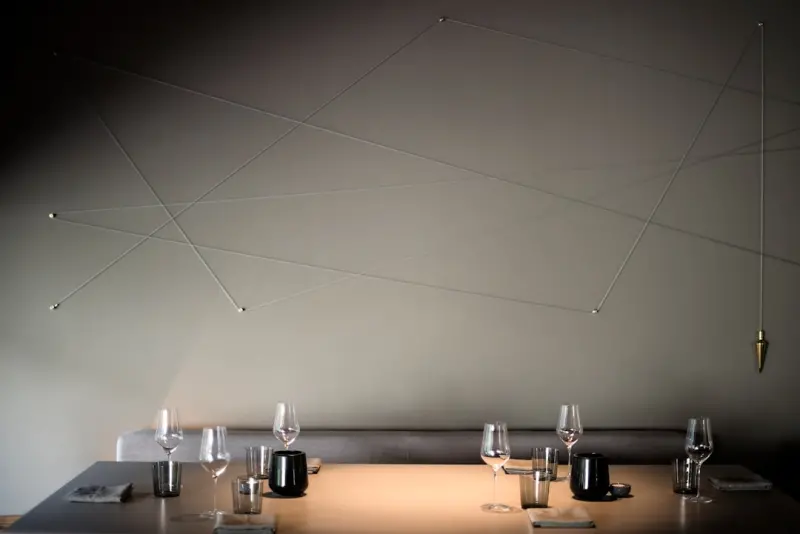
Walking into a fine‑dining room, I often feel like an actor stepping onto a stage, yet the spotlight is invisible to the audience. The first thing that hits me isn’t the scent of truffle or the clink of crystal; it’s the subtle glow that bathes each table, coaxing the mind to anticipate flavors before the first bite. Lighting, when wielded with intention, becomes a silent collaborator—it can accentuate the ruby‑red hue of a beet reduction, soften the buttery sheen of a lobster bisque, or highlight the delicate dusting of powdered sugar on a petit four. I’ve spent countless evenings observing how a dimmed pendant transforms a bustling room into an intimate sanctuary, where conversation slows and every forkful feels like a revelation. In my experience, the most memorable meals are those where the light doesn’t just illuminate the plate; it narrates the story alongside the chef’s vision.
In the past year, I’ve been invited to sit at the table of a chef‑centric restaurant that treats illumination as an extension of the menu. Their chef‑centric restaurants philosophy includes a curated palette of LEDs that shift hue with each course, echoing the progression from light, citrus‑forward starters to richer, earth‑based mains. The subtle change in temperature—warm amber to cool blue—creates a psychological cue, preparing diners for the next textural surprise. This choreography of light and flavor feels like an elegant pas de deux, where the chef’s plate and the room’s ambience move in perfect sync, enhancing the overall narrative without ever uttering a word.
Even the simplest design choice—a single, well‑placed candle—can become a powerful tool. I recall a winter evening where a single taper flickered beside a plate of seared scallops; the wavering flame mirrored the sea’s rhythm and made the buttery sauce seem more luxurious. The interplay of shadows on the plate highlighted the caramelized edges, turning a routine garnish into an artistic flourish. Such moments remind me that in fine dining, light isn’t merely functional; it’s a sensory amplifier that can elevate a dish from good to unforgettable.
When Shadows Dance: Mood, Memory, and the Art of Perception
Research into human perception tells us that lighting directly influences our emotional state, and fine dining is the ultimate playground for this science. Soft, diffused lighting encourages relaxation, slowing the heart rate and allowing the palate to explore subtle nuances, while brighter, focused beams can invigorate and sharpen the senses for a more dynamic tasting menu. I’ve noticed that diners under warm, golden tones tend to describe flavors with words like “comforting” and “rich,” whereas cooler, bluish tones evoke descriptors such as “crisp” and “refined.” This isn’t just anecdotal; it aligns with studies showing that ambient light can affect taste perception by up to fifteen percent.
Memory, too, is tethered to light. A memorable dinner often resurfaces in our minds alongside the glow of the room where it occurred. The dimly lit loft where I celebrated a milestone birthday is forever linked to the honey‑glazed pork belly that seemed to melt on the tongue. When I return to that venue, even years later, the same lighting cues instantly transport me back to that sensory peak, proving that light is a mnemonic anchor. By consciously designing lighting arcs that evolve throughout the service, restaurateurs can embed each course into a distinct memory pocket, creating a layered narrative that lingers long after the last dessert is cleared.
Beyond mood, lighting also plays a decisive role in the perceived value of a dish. A brilliantly lit plate can appear more vibrant, its colors popping like a painter’s palette, which in turn convinces diners that they are receiving a premium experience. Conversely, overly harsh illumination can flatten textures and diminish the visual appeal, causing even the most expertly crafted dish to feel underwhelming. This subtle psychological pricing mechanism means that thoughtful lighting is as essential to the restaurant’s revenue strategy as the cost of ingredients.
Practical Playbook: Implementing Light Mastery in Your Venue
If you’re a restaurateur curious about integrating light as a core component of your dining experience, start small. Conduct a simple audit of your current lighting fixtures: note their color temperature, placement, and the way they interact with your decor. Replace any fluorescent tubes with warm LEDs that emit a hue between 2700K and 3000K for a cozy ambience, or experiment with tunable fixtures that can shift tones throughout the evening. The goal is to create a flexible canvas that can be adjusted to match the rhythm of the menu.
Next, consider layering your lighting. Use a combination of overhead ambient sources, targeted spotlights for tables, and subtle accent lights for architectural features. This approach allows you to highlight specific elements—like a glass of vintage wine or a meticulously plated amuse‑bouffe—without flooding the room with glare. I recommend installing dimmers on every zone, giving your front‑of‑house team the ability to fine‑tune the brightness on the fly, responding to the flow of service and the energy of the guests.
Finally, integrate technology thoughtfully. Many modern venues now pair lighting control with reservation software, enabling pre‑set lighting scenes that correspond to each reservation’s party size and menu selection. For instance, a couple enjoying a tasting menu might experience a gradual dimming sequence that culminates in a candle‑lit finale, while a larger group could enjoy a brighter, more communal atmosphere. When executed with subtlety, this level of personalization reinforces the notion that every detail—down to the photons hitting the table—is curated just for you. By treating light as an active ingredient rather than a backdrop, you unlock a new dimension of hospitality that can set your establishment apart in a crowded market.

Becky Putman is an Ottawa-based freelance writer and marketing professional with a passion for storytelling, animals, and community involvement. She enjoys creating engaging content that informs, inspires, and connects with readers.
Related Posts
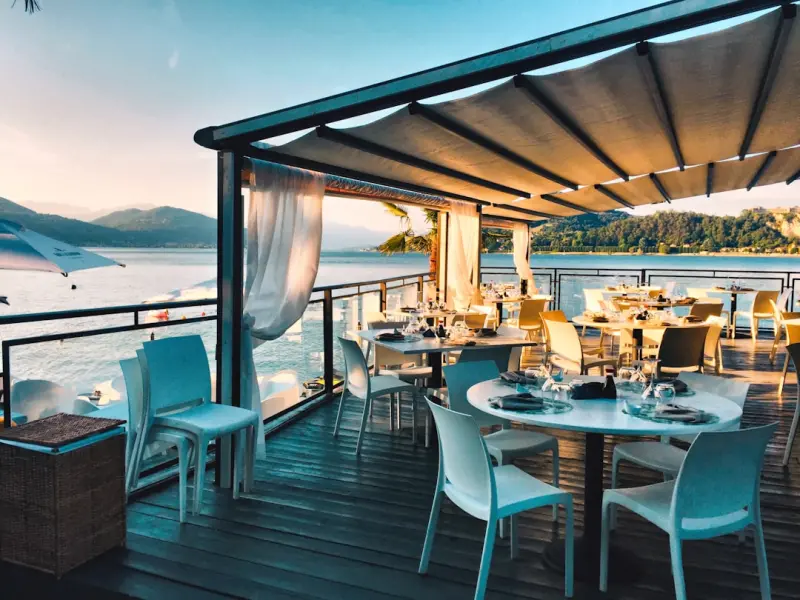
When Diners Become Chefs: The Rise of Co‑Created Fine Dining
Fine dining is shifting from chef‑centric plates to collaborative creations, letting guests shape ... Read More

The Unspoken Dialogue: How Service Shapes Fine Dining
Explore the hidden language of service in fine dining, from maître d’ choreography to sommelier w... Read More
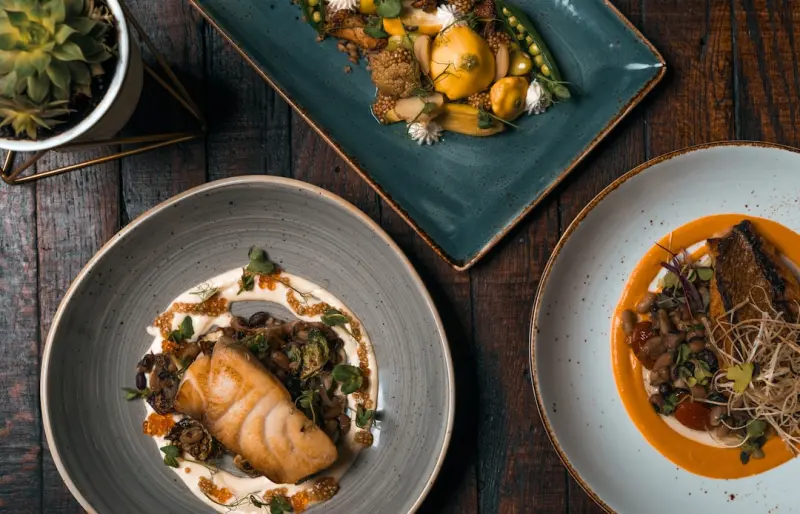
How Light Becomes the Secret Ingredient in Fine Dining
Explore the hidden power of restaurant lighting, how it shapes taste, mood, and the overall dining n... Read More
Top Posts
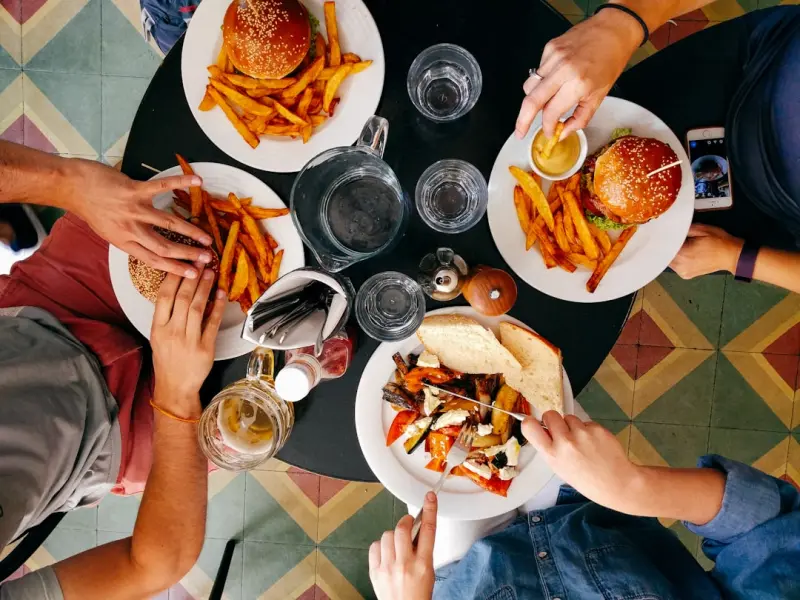
How Restaurants Use Music to Shape Your Dining Experience
Explore the hidden power of restaurant playlists and live music, and how soundscapes can transform flavors, mood, and overall dining experiences....Read More
Beyond the Menu: The Ultimate Chef’s Table Restaurants to Book Now
From soaring city rooftops to tucked‑away countryside kitchens, chef’s tables turn a meal into a theatrical feast. Explore our curated picks, learn how to p...Read More
Dining in the Dark: How Sensory Deprivation Is Redefining Restaurant Experiences
Discover how dining in total darkness heightens taste, aroma, and texture, offering a fresh, inclusive, and immersive restaurant experience that goes beyond vis...Read More
Fermentation‑Focused Restaurants: The Quiet Revolution Changing Your Plate
Discover how fermentation‑focused restaurants are reshaping dining with probiotic‑rich dishes, sustainable practices, and innovative chef collaborations, of...Read More
0 Comments
Post Comment
You will need to Login or Register to comment on this post!