

The Storytelling Power of Fine Dining
Every time I step into a fine‑dining room, I feel like I’m opening the first page of a carefully crafted novel. The soft glow of chandeliers, the hushed murmur of conversation, and the subtle scent of fresh herbs all work together to set a scene that promises intrigue. In my experience, the best restaurants treat the entire evening as a narrative arc, guiding you from anticipation to climax and, finally, to a lingering, thoughtful aftertaste that stays with you long after the last bite.
Setting the Stage: Ambience as the Opening Chapter
The ambience of a culinary narrative is no accident; it’s the deliberate opening chapter that invites you to suspend reality. A carefully chosen color palette can evoke nostalgia, while the placement of art on the walls whispers sub‑textual themes that the chef will later explore on the plate. I often find myself noting how the rhythm of the piano in the corner mirrors the pacing of the upcoming courses, creating a synchrony that feels almost cinematic in its precision.
The Menu as Plot: Chef as Author
The menu is where the plot thickens, and the chef assumes the role of author, plotting twists that surprise and delight. Each dish is a chapter, each ingredient a character with its own backstory and motive. When a dish arrives, I look for foreshadowing in the description—perhaps a hint of citrus that will later resolve into a sweet finish, or a smoky note that signals an impending bold climax. This intentional storytelling transforms a simple meal into a layered experience that engages both palate and imagination.
Plating: Visual Storytelling on a White Canvas
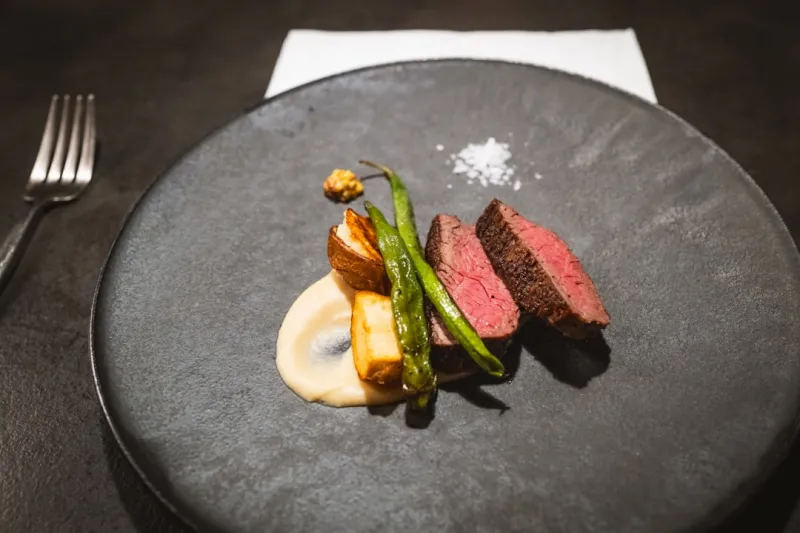
Presentation is the visual language that conveys the story before the first forkful touches the tongue. The arrangement of colors, textures, and shapes can suggest tension, harmony, or even a plot twist waiting to be uncovered. For those curious about the deeper mechanics behind this art, The Narrative Plate dives into how chefs turn a plate into a storyboard, using garnish as punctuation and sauces as dialogue that ties the narrative together.
Service as Characters: The Unsung Heroes of the Tale
In any great novel, supporting characters bring depth and nuance, and in fine dining, the service staff fills that role. A knowledgeable sommelier who recommends a wine pairing is akin to a wise mentor, guiding you through the emotional highs and lows of each course. Meanwhile, the maître d’ sets the tempo, ensuring that each act flows seamlessly into the next, while subtle gestures—like refilling a glass at just the right moment—act as silent footnotes that enrich the overall story.
Restaurants That Master the Narrative
Not every establishment succeeds in weaving a compelling story, but a select few have turned the concept into an art form. Below are three exemplars that consistently deliver narrative-driven experiences:
- Le Tableau – a Parisian gem where each plate references a classic work of literature, with menu titles like “Proust’s Madeleine” and “Dostoevsky’s Dark Roast.”
- Silk & Stone – an urban oasis that structures its tasting menu around the five stages of a hero’s journey, complete with a “Call to Adventure” amuse‑bouche.
- Harvest Lore – a farm‑to‑table haven that tells the story of its ingredients from seed to plate, using seasonal foraging as a narrative thread.
For a broader look at storytelling restaurants, explore The Best Restaurants That Turn Meals Into Unforgettable Stories, which highlights venues that excel at this immersive approach.
Emotional Resonance: Dining Like Reading a Great Novel
When a dinner feels like turning pages, the emotional impact is profound. The anticipation of the next course mirrors the suspense of a plot twist, while the final dessert often provides the cathartic resolution we crave after a gripping story. This synergy explains why many diners describe the experience as “reading a great novel with your mouth,” a sentiment explored in depth at Why Fine Dining Feels Like Reading a Great Novel. The lingering aftertaste becomes a lingering theme, prompting reflection long after the evening ends.
How to Experience Narrative Dining Personally
If you want to become an active participant in this storytelling adventure, start by approaching the menu with curiosity rather than hunger. Ask the server about the inspiration behind each dish, and let the chef’s intentions guide your palate. Take notes—mental or literal—about flavors that surprise you, textures that echo previous courses, and moments that evoke emotion. By treating the meal as a narrative journey, you’ll find yourself more engaged, more appreciative, and ultimately more satisfied with the whole experience.
Looking Ahead: The Future of Culinary Storytelling
The rise of narrative dining signals a shift in how we value food—not just as sustenance but as a medium for storytelling. As technology advances, we may see augmented‑reality menus that project visual backstories onto the table, or chefs collaborating with writers to craft multi‑sensory epics. Whatever the future holds, one thing remains clear: the most memorable meals will always be those that tell a story we can taste, feel, and remember. Embrace the narrative, and let every forkful become a chapter worth savoring.

Becky Putman is an Ottawa-based freelance writer and marketing professional with a passion for storytelling, animals, and community involvement. She enjoys creating engaging content that informs, inspires, and connects with readers.
Related Posts
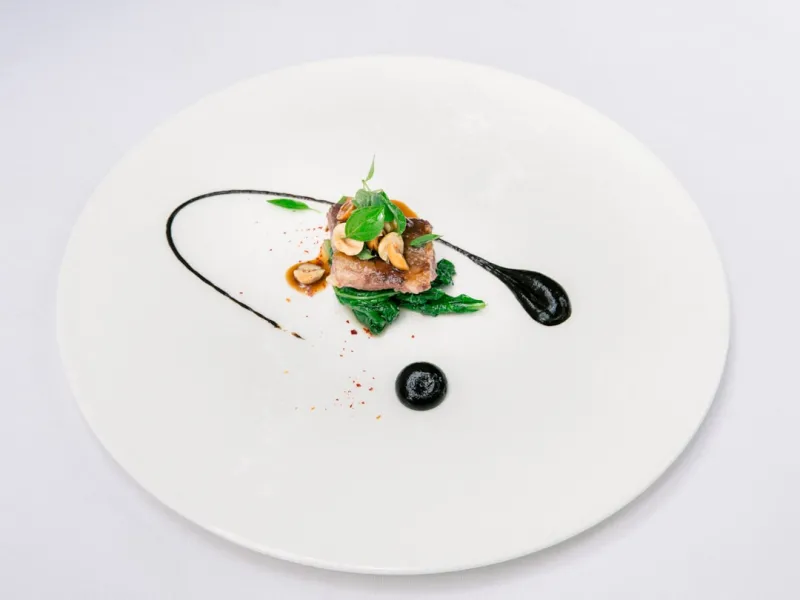
Fine Dining as Narrative: How Every Course Becomes a Story
Fine dining now reads like a novel—each dish a chapter, each detail a plot twist. Discover how che... Read More
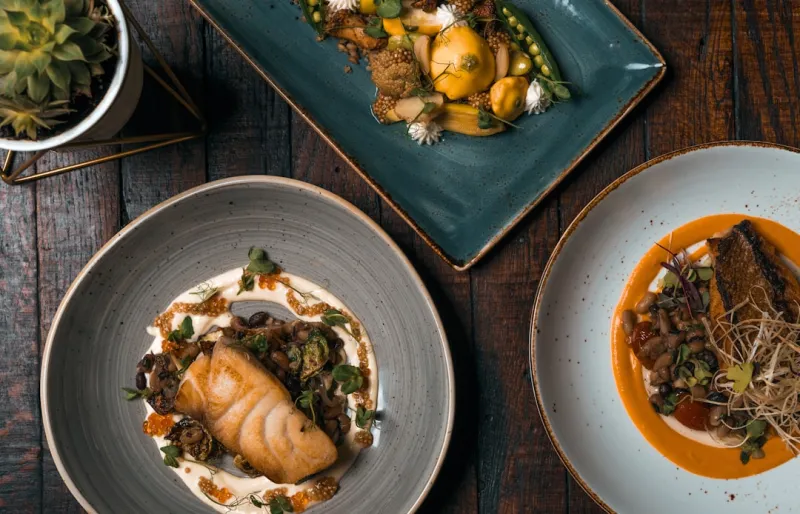
The Evolution of Fine Dining: When Every Plate Tells a Story
Fine dining is no longer just about food; it’s a storytelling journey where chefs, ambience, and t... Read More
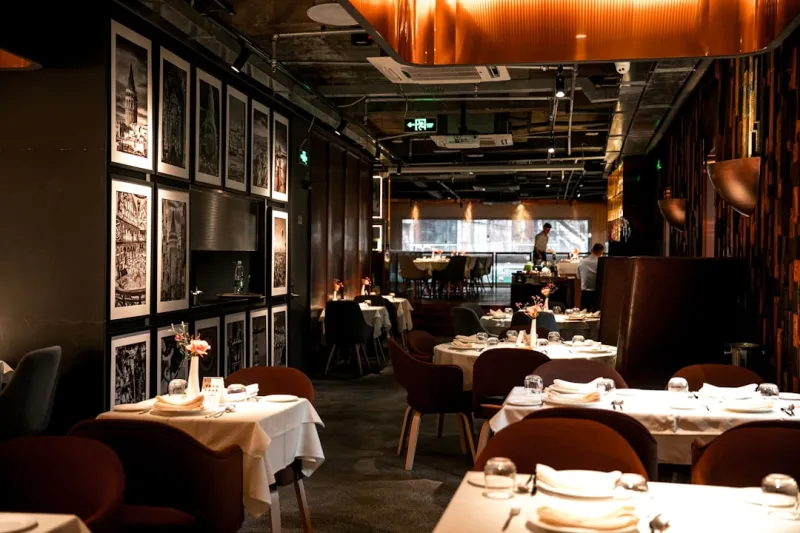
When Fine Dining Becomes a Storytelling Adventure
Discover the rise of narrative dining, where chefs act as storytellers and every plate whispers a ta... Read More
Top Posts

When Service Becomes Conversation: Redefining Fine‑Dining Hospitality
Fine‑dining is moving beyond formal service toward genuine conversation, letting chefs and staff speak directly with diners to craft a more intimate, memorabl...Read More
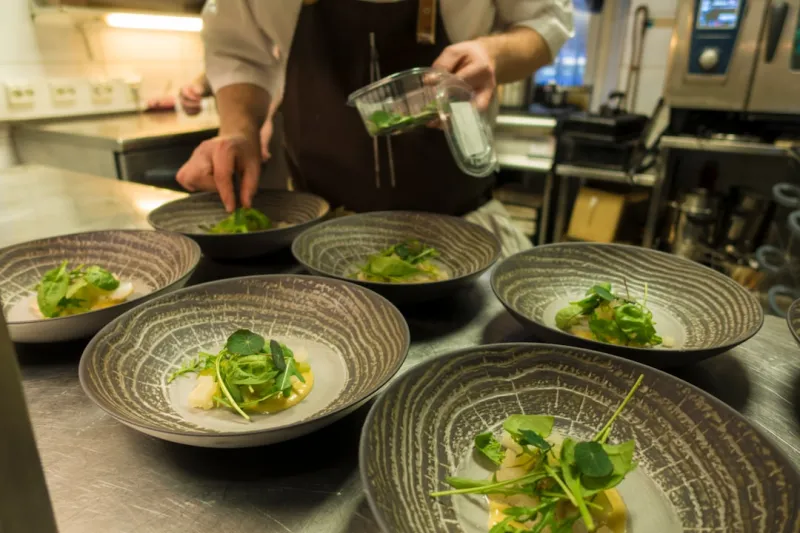
Savoring Stories: How Fine Dining Transforms Meals into Narrative Art
Discover the art of storytelling on a plate, where chefs craft each dish as a chapter, creating immersive fine‑dining experiences that linger long after the m...Read More

Rose DesRochers’ 2024 Restaurant Renaissance: A Personal Journey Through the Best Tables
Rose DesRochers guides you through 2024’s most exciting restaurants, highlighting flavor storytelling, sustainability, and community‑driven dining in an int...Read More
The Art of Storytelling on a Plate: How Fine Dining Becomes a Narrative Experience
Explore the rise of story‑driven fine dining, where chefs act as authors and each course unfolds like a chapter, creating a memorable, immersive culinary narr...Read More
0 Comments
Post Comment
You will need to Login or Register to comment on this post!