
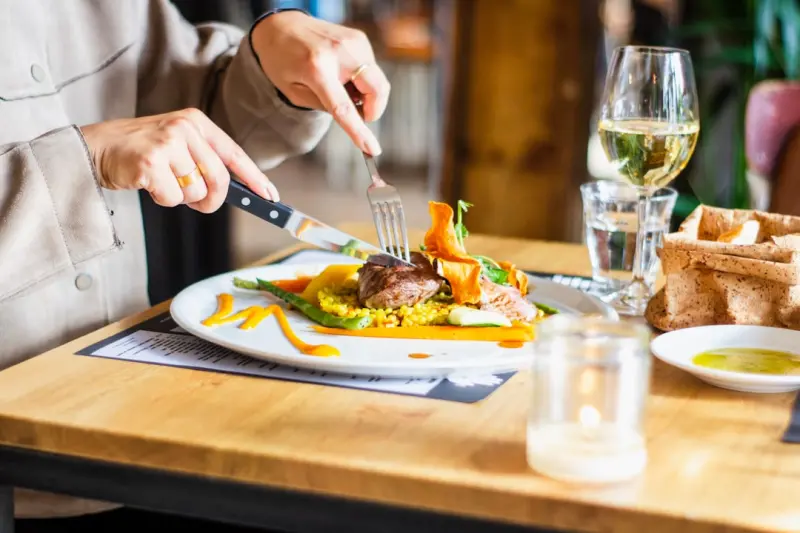
Why Inclusive Dining Matters
When I first stepped into a bustling downtown bistro with my friend who uses a wheelchair, I felt the thrill of seeing a restaurant that truly welcomed every body, every brain, every sense; the seamless flow from entrance to table, the staff greeting us with genuine curiosity rather than hesitation, reminded me that dining out is more than food—it's a shared human ritual that should never be gated. Inclusive dining means that anyone, regardless of ability, can savor the same aromas, flavors, and conversations without feeling like an afterthought, and that realization reshaped my own expectations of what a restaurant should strive for. In a world where culinary experiences are constantly evolving, the most progressive kitchens are those that place accessibility at the heart of their identity, turning a simple night out into a statement of community and care.
My own journey as a food lover taught me that the best meals are remembered not just for their taste but for the feeling of belonging they create, and when a venue fails to accommodate diverse needs, it silently tells a story of exclusion that lingers longer than any lingering aftertaste. The rise of accessibility consciousness is not a fleeting trend but a necessary evolution, echoing the broader societal push toward equity, and restaurants that listen to this call are already setting a new standard for hospitality that resonates far beyond the plate.
Building Accessibility Into the Physical Space
Physical accessibility begins with the fundamentals: wide doorways, level thresholds, and clearly marked wheelchair‑friendly routes that eliminate the awkward dance of navigating narrow aisles or stepping over decorative barriers; when a restaurant invests in thoughtful architecture—such as adjustable table heights, sturdy grab rails, and spacious booth designs—it signals that every guest is valued from the moment they cross the mat. Moreover, subtle details like non‑slip flooring, well‑placed lighting that reduces glare, and acoustically treated walls can transform a bustling dining room into an environment where all patrons feel secure and comfortable.
Seating arrangements deserve equal attention; providing a mix of table styles—from high‑top communal tables to intimate low‑seated nooks—ensures that groups with varied mobility needs can find a spot that works for them without feeling forced into a one‑size‑fits‑all layout. Simple gestures, such as keeping pathways clear of decorative plants and ensuring that service stations are positioned at accessible heights, dramatically reduce the cognitive load on guests who might otherwise spend precious minutes maneuvering around obstacles, allowing them to focus on the culinary journey ahead.
Beyond the floor plan, the sensory environment plays a crucial role; excessive background noise can be overwhelming for individuals with auditory sensitivities, while harsh fluorescent lighting may trigger migraines or visual discomfort. By integrating adjustable lighting zones, sound‑absorbing materials, and even offering quiet dining rooms, restaurants can create a balanced atmosphere that accommodates both neurotypical diners and those who thrive in calmer, more predictable settings, thereby widening the appeal of their culinary offerings.
Beyond the Physical: Menu, Staff, and Tech
Menu design is a silent ambassador of inclusivity; offering braille versions, large‑print options, and clear iconography for allergens or spice levels empowers guests with visual impairments or cognitive differences to make confident choices without relying on a server’s interpretation. Digital menus accessed via smartphones can incorporate screen‑reader compatibility, while tactile menus printed on high‑contrast paper provide an analog fallback, ensuring that no diner feels left out of the decision‑making process. A well‑crafted menu speaks the language of accessibility as fluently as it does of flavor.
Equally essential is staff training; servers who understand the etiquette of approaching a wheelchair‑bound patron, who ask respectful, open‑ended questions about dietary needs, and who know how to describe dishes without assuming prior knowledge become the human bridge between kitchen creativity and guest satisfaction. This culture of awareness extends to language—using person‑first terminology, offering alternatives without making a spectacle, and fostering an environment where guests feel safe to voice their needs. For restaurants seeking to deepen this commitment, exploring resources like restaurant staff wellness can reveal how empowered employees naturally deliver more attentive, inclusive service.
Technology further amplifies accessibility: QR code menus that automatically adjust font size, voice‑activated ordering systems, and reservation platforms that allow guests to specify mobility or sensory requirements streamline the experience from booking to billing. When a diner can pre‑select a quiet corner or request a menu in braille before arriving, the restaurant demonstrates proactive hospitality rather than reactive problem‑solving, turning potential friction points into opportunities for delight.
Community partnership rounds out the accessibility ecosystem; collaborating with local disability advocacy groups to host focus groups, pilot new seating configurations, or co‑create sensory‑friendly dining events grounds a restaurant’s efforts in lived experiences rather than assumptions. These collaborations not only generate authentic feedback but also embed the establishment within a network of advocates who can champion the venue to broader audiences, creating a virtuous cycle of inclusion and word‑of‑mouth promotion.
From a business perspective, embracing accessibility unlocks a sizable market segment that is often overlooked; the purchasing power of people with disabilities and their families rivals that of any other consumer group, and brands that earn their trust reap loyalty, repeat visits, and positive publicity. Demonstrating that accessibility is woven into the fabric of the restaurant—whether through transparent policies, visible accommodations, or stories shared on social media—reinforces a reputation of care that resonates with all diners, as highlighted in the secret systems that make a restaurant truly great.
Looking ahead, the future of dining will be defined by how seamlessly inclusivity integrates with culinary innovation; as chefs experiment with new techniques and flavors, the venues that host them must also experiment with new ways to welcome every guest. By committing to accessible design, thoughtful menu presentation, empowered staff, and technology that bridges gaps, restaurants can transform the act of eating out into a universally joyous ritual—one where every patron, regardless of ability, feels not just accommodated but celebrated.

Becky Putman is an Ottawa-based freelance writer and marketing professional with a passion for storytelling, animals, and community involvement. She enjoys creating engaging content that informs, inspires, and connects with readers.
Related Posts
Beyond the Kitchen Door: How Ghost Kitchens Are Reshaping the Restaurant Landscape
Ghost kitchens are silently reshaping how we eat, blending high‑tech efficiency with culinary crea... Read More
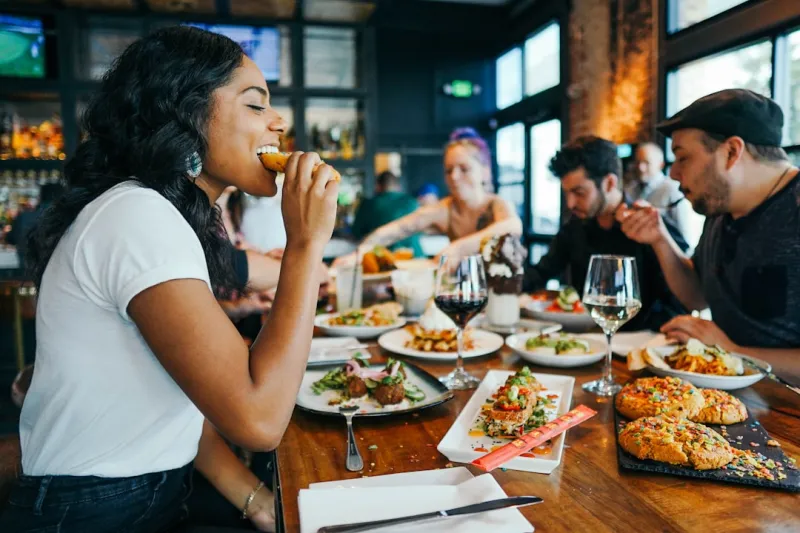
The Evolution of Fine Dining: A Personal Perspective
Join me on a journey through the world of fine dining, where authenticity, community, and sustainabi... Read More

The Community Table Revolution: How Shared Seating is Redefining Restaurant Culture
Discover how community tables are reshaping restaurants, fostering spontaneous connections, and crea... Read More
Top Posts
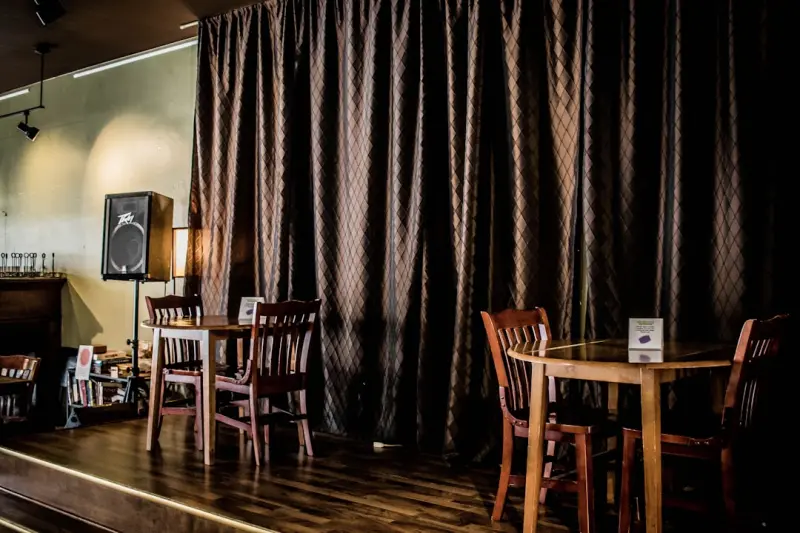
When a Restaurant Becomes a Storytelling Stage
Discover the art of narrative dining, where chefs craft each course like a chapter, turning meals into stories that linger long after the last bite....Read More
Eating Like a Neighbor: Discovering Community‑Focused Restaurants
Find the best community‑focused eateries where shared tables, local pop‑ups, and inclusive menus turn meals into genuine neighborhood experiences....Read More

Rose DesRochers’ Top Picks: The Best Restaurants of 2024
Rose DesRochers reveals her 2024 restaurant favorites, from intimate New York spots to hidden Portland gems, emphasizing flavor, sustainability, and innovative ...Read More
The Community Table Revolution: How Shared Seating is Redefining Restaurant Culture
Discover how community tables are reshaping restaurants, fostering spontaneous connections, and creating a fresh, shared dining experience for modern guests....Read More
0 Comments
Post Comment
You will need to Login or Register to comment on this post!