

Why I Walked Into the Dark
It started on a rain‑slick evening when I impulsively booked a table at a restaurant that advertised “an experience that will change the way you taste food forever,” and I soon discovered the invitation was literal—a blindfold, a hush, and a menu that whispered promises of flavor without sight, a scenario that sparked my innate curiosity as a lifelong food lover who believes that every bite tells a story, and as I stepped into the pitch‑black dining room, the absence of visual cues forced my other senses to rise to the occasion, turning each forkful into a miniature investigation of texture, temperature, and aroma, a sensation so vivid that I left the table with a renewed reverence for the subtle choreography that occurs behind every plate.
The Origins of Blindfolded Dining
Although the concept feels avant‑garde, the practice of dining without sight can be traced back to early sensory experiments conducted by chefs in the 1990s who wanted to isolate taste from visual bias, a movement that gained momentum when a Parisian chef opened the world’s first “dark restaurant” to challenge diners to confront the preconceptions that color our culinary judgments, and as the idea migrated across continents, it evolved into a niche yet thriving subculture where restaurateurs deliberately strip away the visual element to spotlight the primal connection between palate and perception, a philosophy that resonates with my own belief that food should be felt first, tasted second, and only then admired for its presentation.
The Science Behind Sensory Compensation
Neuroscientists explain that when the brain is deprived of visual input, the neural pathways responsible for taste and smell become more active, a phenomenon known as sensory compensation, which means that a blindfolded diner may actually detect subtler spice notes, a hint of acidity, or a whisper of umami that would otherwise be drowned out by a dazzling plate, and studies have shown that participants in dark‑dining experiments consistently rate the intensity of flavors higher than in traditional settings, a finding that aligns with my own experience of discovering the hidden depth of a simple beet‑infused broth when I could not see the vibrant hue but could feel its earthy warmth lingering on my tongue.
What to Expect When the Lights Go Out
The moment the lights dim, servers glide silently to your table, often guided by tactile floor markers, and they present a menu in braille or a raised‑print format that invites you to choose based on descriptive language rather than glossy photographs, a practice that forces you to imagine flavors before they arrive, and as each course arrives—sometimes accompanied by a soft soundscape or the faint clink of glass—you become acutely aware of the temperature of the plate, the texture of the garnish, and the aromatic waft that rises from the bowl, turning the meal into a multi‑layered performance where every sense except sight is invited to take center stage.
Choosing the Right Dark‑Dining Destination
Not all blindfolded experiences are created equal, so I recommend looking for establishments that prioritize trained staff, a thoughtful menu design, and a commitment to safety, such as venues that offer a brief orientation before the first course and provide clear evacuation routes in case of emergencies, and for those curious about exploring this trend, cities like New York, London, and Tokyo host some of the most acclaimed dark‑dining spots, each bringing its own culinary flair—whether it’s a focus on seasonal foraged ingredients or a menu that leans heavily on molecular techniques—while also ensuring that the ambiance supports the sensory journey without feeling gimmicky.
The Community Bond Formed in the Dark
One of the most unexpected rewards of eating in darkness is the sense of camaraderie that emerges among strangers who share the vulnerability of navigating a meal without sight, a dynamic that encourages conversation, laughter, and a collective appreciation for the unknown, and I have often found myself swapping guesses about the composition of a dish with the table next to me, turning the dinner into a collaborative tasting game that dissolves the usual social barriers, an effect that mirrors the communal spirit celebrated in when chefs and artists collide where creativity bridges gaps between people.
Future Trends: Tech Meets Blind Dining
While the core appeal of dark dining lies in its simplicity, innovators are beginning to layer technology onto the experience, experimenting with augmented‑reality audio cues that guide diners through each course, or using smart tables that emit subtle vibrations to signal temperature changes, a hybrid approach that promises to deepen immersion without compromising the sensory focus, and I am especially intrigued by how these advancements could dovetail with sustainable practices highlighted in zero‑waste dining, where every ingredient is celebrated for its intrinsic flavor rather than its visual perfection, creating a future where the palate truly reigns supreme.
Practical Tips for Your First Dark Meal
To make the most of your inaugural blindfolded dinner, arrive a few minutes early to acclimate to the environment, listen closely to the host’s safety briefing, and consider informing the staff of any dietary restrictions in advance, a precaution that ensures the kitchen can tailor dishes without the need for visual confirmation, and once seated, take a moment to breathe deeply, allowing the scent of the room to settle before the first bite arrives, because the slower you let the aroma settle, the richer the taste will become, a simple technique that can transform a daring adventure into a memorable celebration of flavor.

When it comes to the world of blogging and writing, Rose DesRochers is a name that stands out. Her passion for creating quality content and connecting with her audience has made her a trusted voice in the industry. Aside from her skills as a writer and blogger, Rose is also known for her compassionate nature.
Related Posts
The Hidden Rise of Ghost Kitchens: How Invisible Restaurants Are Redefining Dining
Discover the silent surge of ghost kitchens, the tech behind data‑driven menus, and how diners can... Read More
How Restaurants Use Social Media Storytelling to Win Diners Before They Walk In
Restaurants now craft compelling stories on social media, turning digital glimpses into real‑world... Read More
Dining in the Dark: How Sensory Deprivation Is Redefining Restaurant Experiences
Discover how dining in total darkness heightens taste, aroma, and texture, offering a fresh, inclusi... Read More
Top Posts
Why 2026’s Hottest Restaurants Are Redefining the Dining Experience
Discover the 2026 restaurant renaissance where narrative, sustainability, and immersive tech turn each meal into a memorable story....Read More
Heritage‑Heavy Dining: The Best Restaurants Celebrating Ancestral Flavors
Explore restaurants that spotlight ancient grains, heirloom spices, and traditional flavors, turning each meal into a journey through culinary history....Read More
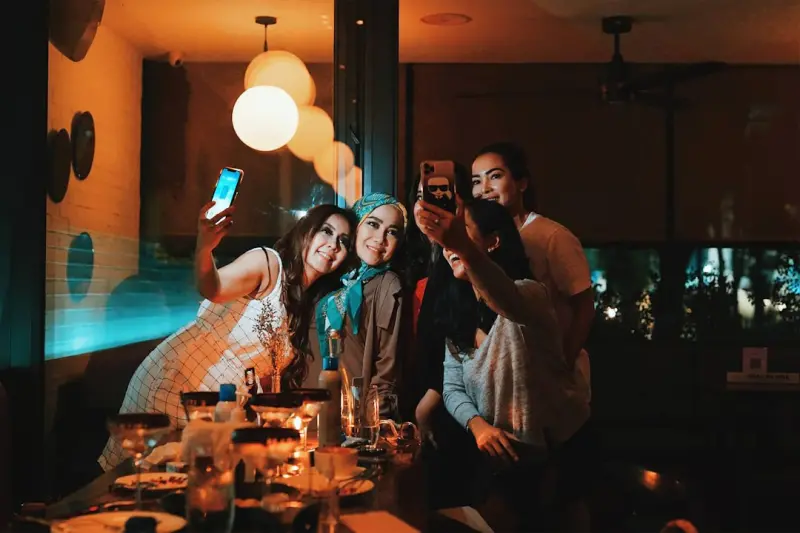
The Instagram Effect: How Photo‑Ready Restaurants Win Over Diners
Explore the rise of Instagram‑ready dining, from photogenic plates to staff‑driven social sharing, and learn how visual storytelling fuels restaurant succes...Read More
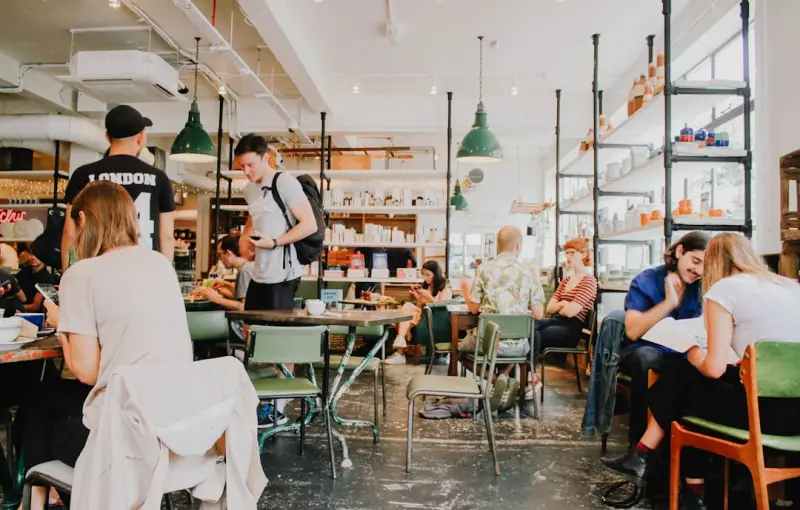
The Rise of Wellness‑Focused Dining: How Restaurants Are Feeding Body and Mind
Explore the growing trend of wellness‑focused restaurants that combine delicious flavor with health‑boosting ingredients, mindful atmospheres, and chef coll...Read More
0 Comments
Post Comment
You will need to Login or Register to comment on this post!