
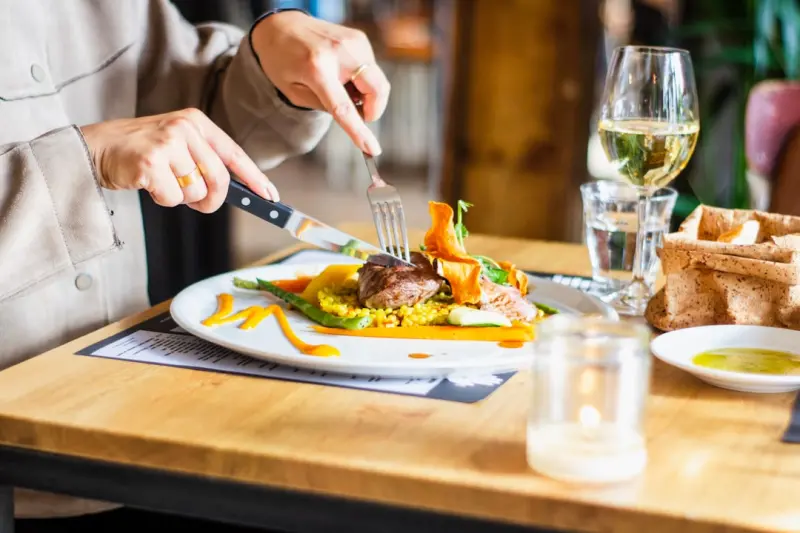
The Stage Is Set: Why Fine Dining Is Becoming a Performance
When I walk into a restaurant today, I no longer expect just a meal; I anticipate a story unfolding before my eyes, a choreography of flavors, gestures, and ambience that feels more like theater than a traditional dinner. The rise of culinary performance is reshaping the definition of fine dining, turning chefs into directors and guests into an attentive audience eager for a front‑row experience. This shift isn’t about gimmicks—it’s a deliberate effort to make every bite part of an immersive narrative that lingers long after the plates are cleared, and it’s a trend I’m thrilled to explore from my own table‑side perspective.
The Chef as Performer: From Kitchen to Spotlight
In the past, chefs were hidden behind the pass, their artistry confined to the plate; now many step out into the dining room, wearing aprons like costumes and wielding torches as props, turning preparation into a visual spectacle. I’ve watched chefs flambé desserts with theatrical flare, their movements timed like a dance, each flame a brushstroke that adds drama to the dessert’s final taste. This visible mastery not only showcases skill but also builds a personal connection, allowing diners to witness the raw energy that fuels each creation, making the meal feel like a live art installation rather than a static service.
Table‑Side Alchemy: The Magic of On‑Plate Transformations
There’s a particular thrill in watching a seemingly ordinary component metamorphose right before you—think of a sphere of olive oil that bursts open with a citrus vapor, or a slab of chocolate that melts into a fragrant sauce under a handheld blowtorch. These moments of table‑side alchemy turn the act of eating into a participatory experiment, where the diner becomes a co‑author of the final flavor profile. I love the anticipation that builds as the chef explains the science and story behind each transformation, turning curiosity into a multisensory revelation that heightens appreciation for the dish’s complexity.
Interactive Plating: Guests as Co‑Creators
Some restaurants are pushing the envelope further by inviting diners to finish the plating themselves—sprinkling herbs, drizzling reductions, or assembling components in a prescribed order. This collaborative approach empowers guests, making them feel like part of the culinary process rather than passive recipients. In my experience, the act of completing a plate adds a personal imprint to the meal, a subtle signature that deepens the emotional resonance of the experience and reinforces the idea that fine dining can be both sophisticated and delightfully hands‑on.
Sound, Light, and Aroma: The Multi‑Dimensional Set
Performance isn’t limited to what happens on the plate; the surrounding environment acts as a crucial backdrop that amplifies every sensory cue. Curated playlists, subtle lighting shifts, and even strategically released aromas synchronize with each course, creating a harmonious stage that guides the diner’s emotional journey. For example, a soft jazz riff might accompany a silky soup, while a sudden dimming of lights heightens the drama of a flambéed entrée. To explore how soundscapes can elevate the dining experience, check out How Curated Soundtracks Are Transforming the Restaurant Experience, which delves into the science behind auditory pairing.
Storytelling Through Ingredients
Every theatrical production relies on characters, and in a restaurant, the ingredients are those protagonists, each with a backstory that can be narrated through preparation and presentation. When a chef sources heirloom tomatoes from a single family farm or incorporates foraged wild herbs, the dish tells a tale of place, season, and tradition that enriches the performance. I’ve found that when servers share these origin stories, the flavors gain context, turning a simple bite of seaweed into a tribute to coastal ecosystems and a reminder of the delicate balance between land and sea.
Balancing Showmanship and Substance: The Art of Sustainable Spectacle
While theatrical flair captivates, the core of fine dining must remain rooted in taste, technique, and responsibility. There’s a fine line between awe‑inspiring spectacle and wasteful excess; chefs who integrate performance with zero‑waste principles demonstrate that elegance and sustainability can coexist. By repurposing scraps for garnish, using edible containers, or designing shows that minimize disposable elements, restaurants prove that the drama of the plate need not compromise the planet. For a deeper look at how waste reduction is becoming a hallmark of modern kitchens, see Zero‑Waste Dining: The Fresh Standard for Today’s Best Restaurants.
Designing the Theater: Space, Seating, and Sightlines
The architecture of a fine‑dining venue now plays the role of a stage manager, meticulously arranging tables, lighting, and sightlines to ensure every guest has an unobstructed view of the performance. Open kitchens, transparent walls, and revolving platforms allow diners to feel immersed without sacrificing intimacy. I’ve noticed that flexible seating arrangements—such as communal tables that encourage shared observation or private booths with a direct line to the chef’s station—enhance the communal feeling of a theatrical event, making each night feel like a premiere rather than a routine service.
Looking Forward: The Future of Culinary Performance
As technology advances and diners crave deeper connections, the next evolution of culinary theater will likely blend virtual reality, augmented aromas, and interactive storytelling platforms that let guests influence the menu in real time. Imagine a scenario where a patron’s smartwatch detects their palate preferences and projects a personalized visual narrative onto the plate, guiding them through a journey tailored to their senses. From my seat at the table, I can already sense that the convergence of art, technology, and gastronomy will continue to push the boundaries of what fine dining can be, turning every dinner into an unforgettable performance that celebrates both creativity and cuisine.

Becky Putman is an Ottawa-based freelance writer and marketing professional with a passion for storytelling, animals, and community involvement. She enjoys creating engaging content that informs, inspires, and connects with readers.
Related Posts
Reimagining the Chef’s Table: From Secret Booth to Interactive Stage
Discover the transformation of the chef’s table into an interactive performance, where design, sto... Read More

The Unseen Symphony: How Timing, Light, and Story Elevate Fine Dining
Explore the art of timing, lighting, and narrative in fine dining, revealing how chefs craft unforge... Read More
When Fine Dining Becomes a Narrative Journey
Fine dining isn’t just food—it’s a story. Dive into the elements that turn plates into narrati... Read More
Top Posts
The Restaurant Renaissance: Becky Putman's 2024 Flavor-First Exploration
Becky Putman explores the 2024 restaurant renaissance, unveiling hidden gems, sustainable practices, and the stories that turn meals into unforgettable experien...Read More
A Food Lover’s Guide to Restaurants That Turn Meals Into Stories
Dive into a guide that reveals restaurants turning meals into compelling stories, offering flavors, atmospheres, and narratives that linger long after the last ...Read More
The Sensory Revolution: Why 2026’s Restaurants Are Storytelling Feasts
Discover the 2026 dining renaissance where flavor leads, tech enhances, and every meal becomes a multisensory story you can’t miss....Read More
Why Restaurant Lighting and Design Matter More Than You Think
Explore the hidden power of restaurant lighting, sound, and design, and learn practical tips to enhance your dining experience by reading the ambiance before th...Read More
0 Comments
Post Comment
You will need to Login or Register to comment on this post!