
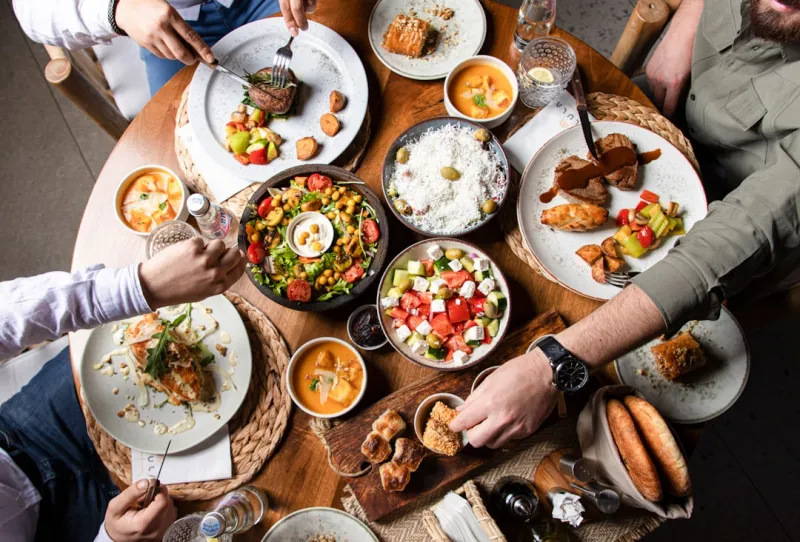
Why Storytelling Matters in Dining
When I step into a restaurant that feels more like a stage than a kitchen, my senses instantly shift from merely tasting to immersively experiencing. The décor, the pacing of each course, and even the server’s anecdotes weave together, turning a simple dinner into a narrative arc that I can’t help but follow. Storytelling on a plate transforms ordinary meals into memorable chapters, making each bite a plot point worth savoring.
My love affair with narrative-driven dining began not in a five‑star hall but in a cramped bistro where the chef introduced each dish as “the next scene in my childhood.” That moment taught me that food can convey memory, culture, and emotion just as powerfully as any novel. Since then, I’ve chased restaurants that treat their menus like scripts, seeking the subtle cues that tell a larger story.
My Hunt for Narrative‑Driven Restaurants
Finding eateries that prioritize storytelling requires more than scrolling through generic review sites; it demands a detective’s curiosity and a willingness to explore the unknown. I start by listening to the whispers of local food blogs, then I dig into chef interviews where they often reveal the inspirations behind their creations. When a restaurant’s website talks about “culinary journeys” or “edible epics,” I know I’ve struck narrative gold.
One of my favorite resources has become the The Ultimate Foodie’s Guide to the Best Restaurants That Tell a Story, which curates hidden gems that blend flavor with fiction. I also keep a notebook of “story cues” – things like a menu written like a short story, a tasting menu titled “The Hero’s Return,” or servers who act as narrators. These clues help me separate a gimmick from genuine artistry, ensuring every reservation feels like an invitation to a new chapter.
Top Picks: Restaurants That Turn Meals Into Stories
The first name on my list is a downtown loft called Chronicle Kitchen, where each course is presented with a handwritten card describing the inspiration behind it, from a rainy night in Kyoto to a forgotten family recipe. Their signature “Midnight Train” tasting menu takes diners on a culinary cross‑country ride, complete with sound effects that mimic the clatter of rails. The second gem is Arcane Table, a dimly lit space where the chef collaborates with local playwrights to craft dishes that mirror the arcs of classic tragedies and comedies, turning dessert into a bittersweet epilogue.
- Chronicle Kitchen – A tasting menu that reads like a travel diary, each plate paired with a short vignette.
- Arcane Table – Dishes inspired by theatrical acts, with servers delivering lines from the corresponding play.
- Nomad’s Tale – A pop‑up that changes location monthly, each venue offering a story tied to the city’s folklore.
- Ink & Ember – A literary café where the menu is printed on reclaimed paper, and every dish is named after a famous novel.
What sets these spots apart is the intentional layering of narrative elements: the ambience, the menu language, and the chef’s personal anecdotes. At Nomad’s Tale, for instance, the chef narrates the origin of each spice while a projector displays illustrations that echo the story’s setting, creating a multisensory tableau. Meanwhile, Ink & Ember invites diners to write a short note about their experience, turning the act of eating into an interactive chapter of a collective story.
What Makes a Meal Feel Like a Chapter
At the heart of story-driven dining lies the careful choreography of pacing, surprise, and resolution – much like a well‑written novel. The first course should act as an “exposition,” introducing flavors and themes without overwhelming the palate, while subsequent dishes build tension through contrast and unexpected pairings. By the time the dessert arrives, the diner experiences a satisfying “climax” that resolves the culinary arc with a harmonious finish.
Equally important is the emotional resonance that each plate evokes. A dish that recalls a childhood memory or a far‑flung travel adventure engages the brain’s limbic system, making the experience feel personal and unforgettable. When chefs share the story behind their inspiration, whether it’s a love letter to a hometown market or a tribute to a literary heroine, they create a bridge between the kitchen and the guest’s own narrative, turning a simple dinner into a shared memoir.
How to Spot a Storytelling Restaurant on Your Next Outing
Look for menus that read more like prose than a list of ingredients; a good sign is when each item includes a brief description that hints at its backstory. Pay attention to the staff – if servers speak about the dish’s origin with enthusiasm and detail, you’re likely in a storytelling venue. Finally, observe the ambience: thematic décor, ambient music, and even subtle lighting cues often reinforce the narrative the chef intends to convey.
- Check the website for a “Story” or “Concept” page before booking.
- Listen for chefs or managers who discuss the inspiration behind the menu during reservations.
- Notice if the restaurant offers a tasting menu labeled with chapters or scenes.
- Seek out places that encourage guest interaction, such as writing notes or sharing personal reflections.
By keeping these markers in mind, you’ll quickly differentiate a restaurant that merely uses storytelling as a marketing buzzword from one that lives and breathes narrative cuisine. When you discover a venue that genuinely integrates story into every aspect of the dining experience, you’ll find yourself eager to return for the next “chapter.”
Conclusion: Dining as a Narrative Adventure
In a world where food trends come and go, the restaurants that endure are those that give each dish a soul and a story. My journey through narrative-driven eateries has taught me that the best meals are those that linger in the mind like a favorite book, prompting you to revisit the pages long after the plate is cleared. So the next time you crave a dinner that feels like a story, follow the clues, trust the storytellers, and let every bite write a new memory.

Becky Putman is an Ottawa-based freelance writer and marketing professional with a passion for storytelling, animals, and community involvement. She enjoys creating engaging content that informs, inspires, and connects with readers.
Related Posts
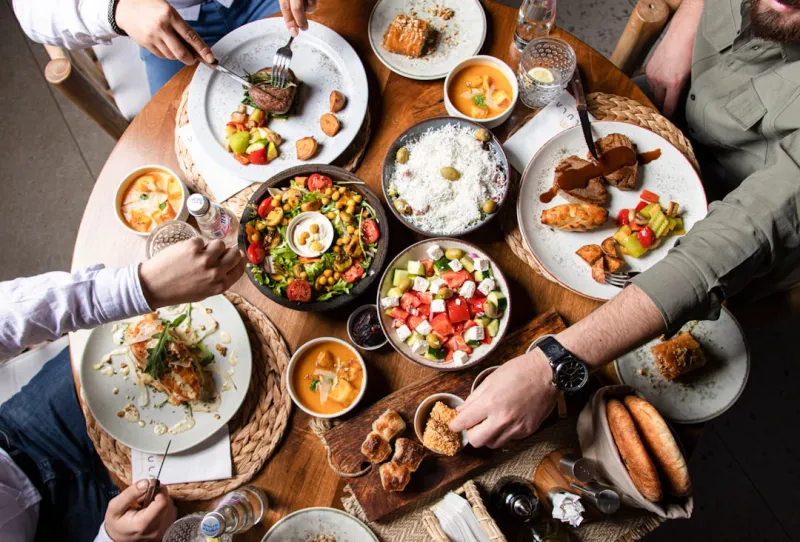
The Best Restaurants That Turn Meals Into Memorable Stories
Discover the finest eateries that blend storytelling, bold flavors, and sustainable practices, creat... Read More

From Plate to Plot: My Journey Through the Best Storytelling Restaurants
I dive into the world where each dish tells a tale, sharing my recent culinary adventures and a cura... Read More
Beyond the Guidebook: Finding the Best Restaurants Off the Beaten Path
I’m sharing how I track down the city’s most authentic eateries—those tucked away alleys, fami... Read More
Top Posts
When the Line Becomes Part of the Meal: Redefining Restaurant Wait Times
Explore the innovative ways eateries turn queues into immersive pre‑meal rituals, using design, tech, and staff storytelling to make every wait a memorable pa...Read More

The Art of Tableware: Redefining Fine Dining Through Design
Discover how cutting‑edge tableware design is turning dishes into immersive stories, blending sustainability, technology, and artistry in fine dining....Read More
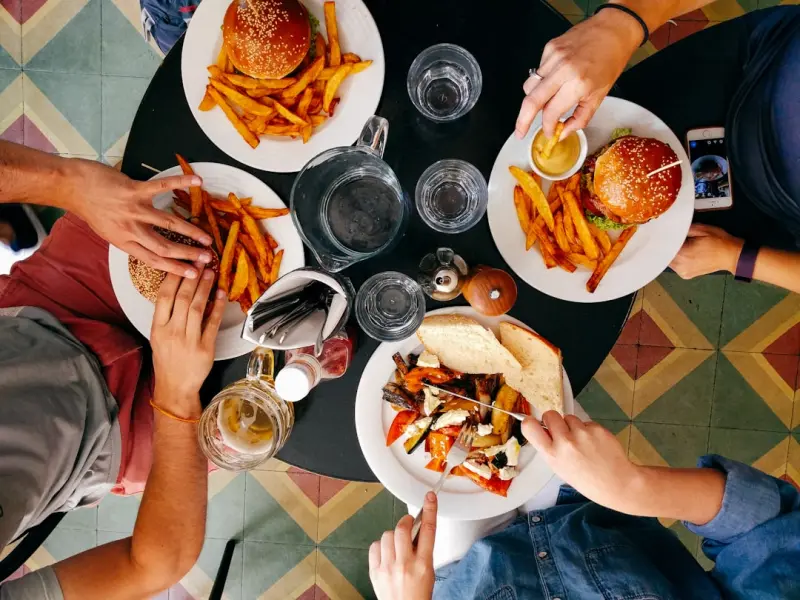
How Restaurants Use Music to Shape Your Dining Experience
Explore the hidden power of restaurant playlists and live music, and how soundscapes can transform flavors, mood, and overall dining experiences....Read More
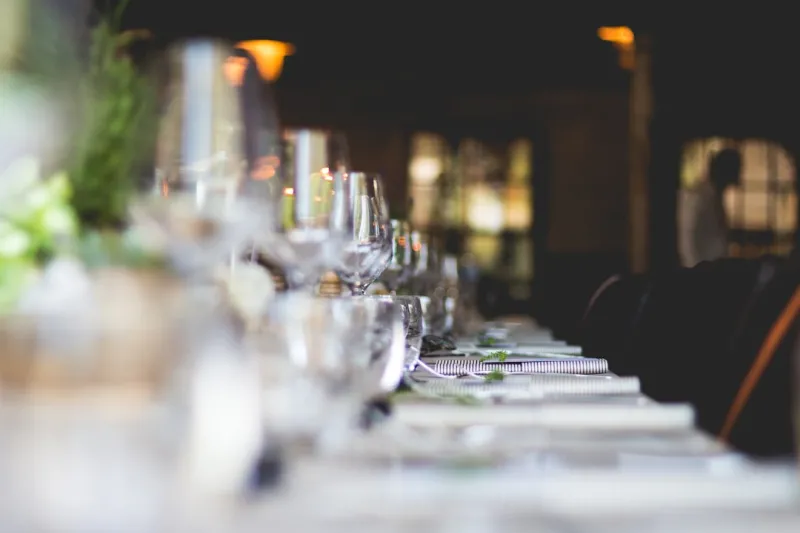
When Fine Dining Becomes a Storytelling Feast
A personal journey through fine‑dining reveals how chefs turn plates into stories, engaging every sense and hinting at the next chapter of culinary narrative....Read More
0 Comments
Post Comment
You will need to Login or Register to comment on this post!