

Why Delivery-Only Kitchens Are the Quiet Revolution in Dining
When I first heard the term “ghost kitchen,” I imagined an empty, haunted space where chefs conjure flavor out of thin air, but the reality is far more grounded and exciting. Restaurants are slipping out of the traditional dining room and into streamlined, tech‑driven production floors that exist solely for the click‑and‑collect crowd, reshaping how we think about menu creation, staffing, and profit margins. This shift isn’t just a pandemic afterthought; it’s a strategic response to a consumer base that now expects restaurant‑quality meals at the tap of a screen, and it’s changing the competitive landscape faster than any brick‑and‑mortar remodel.
The Business Model That Turns Kitchen Real Estate Into Gold
Ghost kitchens operate on a lean‑core principle: eliminate the costly front‑of‑house experience and funnel every ounce of capital into high‑volume cooking equipment, data analytics, and rapid fulfillment pathways. By sharing a single commercial space among multiple culinary brands, operators achieve economies of scale that were previously reserved for large chain restaurants, allowing indie chefs to launch multiple concepts without the overhead of separate storefronts. The result is a hyper‑flexible portfolio of menus that can pivot on the fly, test new dishes in real time, and respond instantly to trending flavors without the lag of traditional menu cycles.
Technology as the New Sous‑Chef
At the heart of every successful ghost kitchen is an integrated tech stack that syncs order platforms, kitchen display systems, and delivery logistics into a single, seamless workflow. Artificial intelligence predicts demand spikes, optimizes ingredient ordering, and even suggests price adjustments based on real‑time competitor analysis, turning data into a sous‑chef that never sleeps. The same digital backbone powers dynamic menu boards that update automatically, ensuring that every dish presented to the customer reflects current inventory, seasonal availability, and profitability targets.
Menu Innovation Unshackled From the Dining Room
Without the constraints of a physical dining room, chefs can experiment with dishes that would be impractical in a traditional setting, such as multi‑component meals that require precise timing or specialty items that rely on specific packaging for optimal transport. This freedom encourages a wave of culinary creativity where concepts like “cook‑at‑home kits” and “dual‑cuisine mashups” emerge, catering to niche audiences that crave novelty delivered straight to their doorstep. The ability to launch and retire concepts in weeks rather than months also means that menus stay fresh, relevant, and aligned with the ever‑shifting palate of the digital consumer.
Customer Experience Reimagined Behind the Curtain
While the dining room may be absent, the customer journey is more curated than ever, relying on branding, packaging, and digital touchpoints to convey the restaurant’s personality. Transparent packaging, QR‑linked stories about ingredient sourcing, and real‑time order tracking create a sense of intimacy that compensates for the lack of face‑to‑face interaction. Moreover, leveraging Guest Feedback through instant post‑delivery surveys allows kitchens to iterate on flavor profiles and service speed with a velocity that would be impossible in a sit‑down environment.
Environmental Upsides and the Zero‑Waste Dining Angle
Ghost kitchens inherently reduce waste by consolidating prep areas, minimizing duplicate inventory, and using data‑driven ordering systems that cut over‑stock. With fewer front‑of‑house staff and less decorative waste, the environmental footprint shrinks, and the focus shifts to optimizing ingredient utilization across multiple brands sharing the same kitchen. This alignment with sustainable practices not only appeals to eco‑conscious diners but also translates into lower operating costs, creating a virtuous cycle of profitability and responsibility.
Impact on Traditional Restaurants and the Competitive Dance
Brick‑and‑mortar establishments are feeling the pressure to adapt, whether by launching their own satellite delivery kitchens or by partnering with existing ghost kitchen operators to extend their reach beyond the local neighborhood. The competition is no longer confined to the street corner; it now plays out on app stores and delivery platforms where visibility hinges on ratings, speed, and algorithmic favor. Traditional restaurants that ignore this shift risk losing a growing segment of diners who prioritize convenience over ambiance, while those that embrace hybrid models can capture both the experiential and the expedient markets.
Future Trends: From Virtual Brands to AI‑Curated Menus
Looking ahead, we can expect a rise in “virtual brands”—restaurants that exist only online, built around a single signature dish that dominates a niche market, and constantly refreshed through AI‑generated flavor pairings. As voice assistants and smart fridges become more integrated into daily life, ordering will become increasingly proactive, with AI suggesting meals based on personal health data, calendar events, and even weather patterns. This convergence of technology, data, and culinary art promises a dining ecosystem where the line between chef and algorithm blurs, delivering hyper‑personalized experiences at scale.
Closing Thoughts: Embracing the Invisible Kitchen Revolution
The ghost kitchen phenomenon is more than a temporary workaround; it’s a fundamental rethinking of how food reaches the consumer, where creativity meets efficiency, and where sustainability aligns with profitability. For restaurateurs willing to step behind the curtain and harness the power of data, technology, and flexible branding, the opportunity to craft memorable meals without ever serving a single seat is both thrilling and lucrative. As we continue to order, swipe, and savor, the invisible kitchens humming behind our doors will shape the next chapter of culinary history.

Becky Putman is an Ottawa-based freelance writer and marketing professional with a passion for storytelling, animals, and community involvement. She enjoys creating engaging content that informs, inspires, and connects with readers.
Related Posts

Crafting Narrative Menus: How Storytelling Transforms the Dining Experience
Explore the rise of narrative menus, where chefs become storytellers, turning each course into a cha... Read More

The Secret Ingredient: How Staff Stories Turn Diners Into Loyal Fans
Explore how authentic staff stories create deeper connections with diners, boost repeat visits, and ... Read More
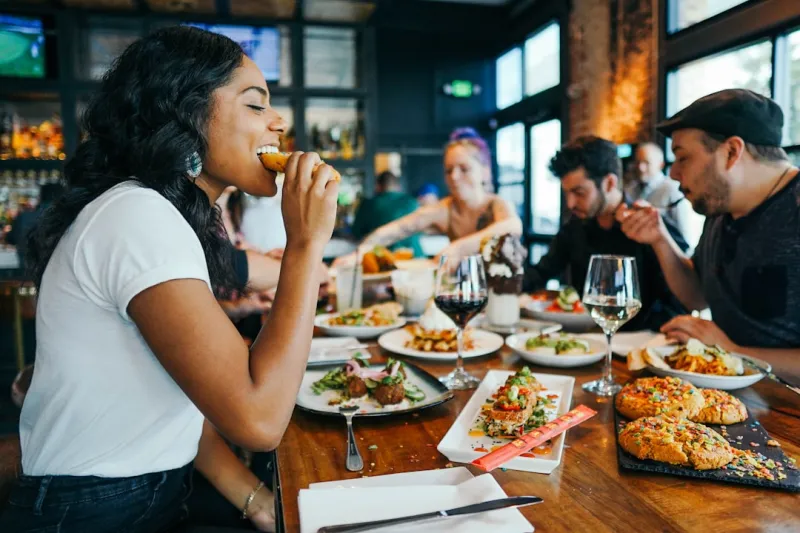
Rose DesRochers’ 2024 Restaurant Renaissance: Flavor, Story, and Innovation
Rose DesRochers reveals how 2024’s dining scene blends storytelling, sustainability, and tech, off... Read More
Top Posts
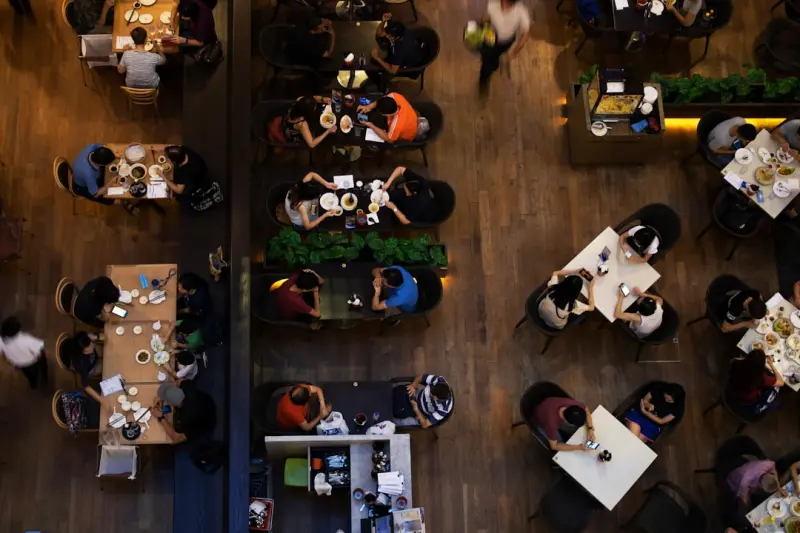
How Guest Feedback Shapes the Best Restaurants
Explore the dynamic loop of guest feedback, technology, and staff storytelling that drives today’s most innovative restaurants....Read More
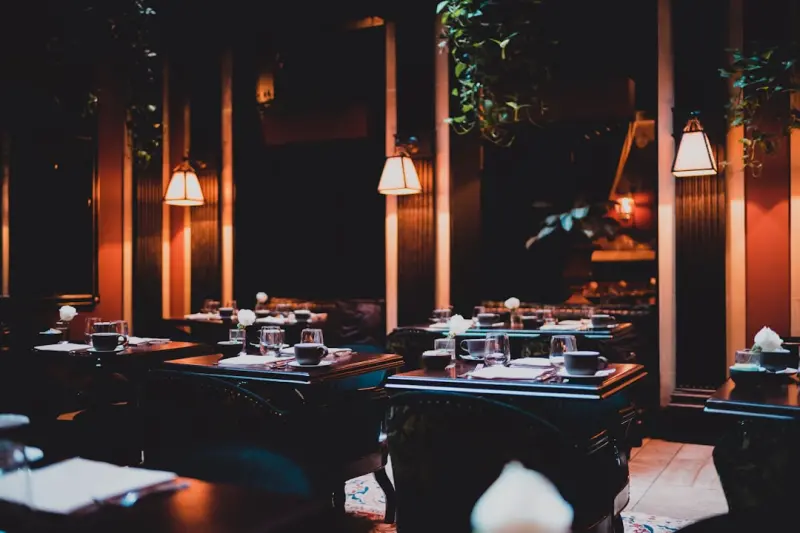
The Hidden Power of Restaurant Soundtracks: How Curated Audio Transforms Dining
Explore the impact of curated restaurant soundtracks on mood, flavor perception, and guest loyalty, with actionable insights for both chefs and diners....Read More
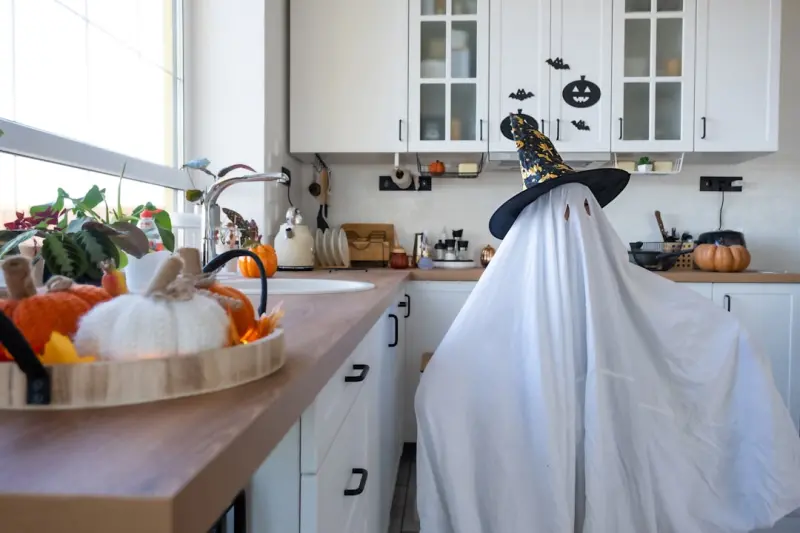
Ghost Kitchens and the Delivery Revolution: Redefining How We Dine
Discover the rise of ghost kitchens, how they blend technology, sustainability, and storytelling to transform restaurant business models and deliver restaurantâ...Read More

Cross‑Cultural Storytelling: How Global Fusion Is Transforming Fine Dining
Explore the rise of global fusion in fine dining, where chefs use personal heritage, cross‑continental ingredients, and curated service rituals to craft immer...Read More
0 Comments
Post Comment
You will need to Login or Register to comment on this post!