
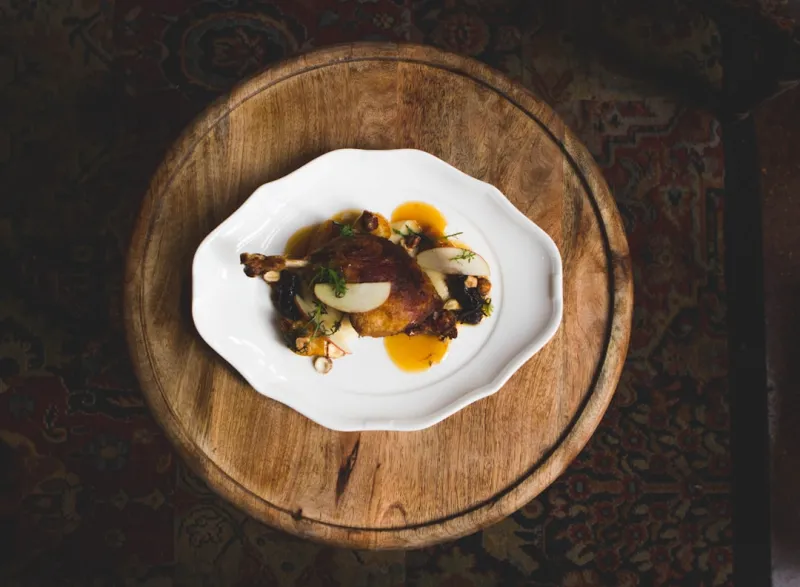
Why Storytelling Matters in Fine Dining
When the clink of crystal glasses meets a meticulously plated masterpiece, the experience transcends mere consumption; it becomes a culinary narrative that lingers long after the last bite. In my latest explorations, I’ve discovered that the most memorable establishments treat each dish as a chapter, inviting diners to turn pages with every forkful, and this intentionality is reshaping how we define luxury on a plate. The shift from simply serving food to curating stories is subtle yet powerful, turning an evening out into a shared adventure that feels both intimate and grand.
The Foundations of a Narrative Plate
At the heart of this movement lies a trio of deliberate choices: ingredient provenance, visual choreography, and sensory pacing, each acting as a narrative device that guides the diner’s journey. By sourcing vegetables that tell a story of seasonality and locality, chefs embed a sense of place directly onto the plate, while the arrangement of colors and textures creates a visual prologue that teases what’s to come. The third act—timing—ensures that each course arrives in harmony with the rhythm of conversation, allowing the story to unfold naturally. For a deeper dive into how this philosophy is reshaping restaurant culture, see Why Restaurants Are Becoming Storytelling Stages, which captures the zeitgeist of this artistic evolution.
Designing the Narrative: Elements That Speak
To illustrate how these elements converge, consider the following components that transform a plate into a storyteller:
- Ingredient lineage—highlighting the farm, the farmer, and the journey to the kitchen.
- Visual architecture—using negative space, height, and color contrast to draft a visual plot.
- Aromatics as foreshadowing—introducing scents that hint at flavors yet to emerge.
- Texture contrast—balancing crunch with silk to keep the palate engaged.
- Service choreography—orchestrating timing and presentation to match the story’s tempo.
Each bullet point functions like a scene in a film, and when combined, they craft a cohesive, immersive experience that elevates the ordinary act of eating into an unforgettable performance.
Service as the Narrative Voice
Beyond the plate, the servers act as narrators, guiding diners through the plot with subtle cues and knowledgeable anecdotes that enrich the overall tale. A well‑trained maître d’ can frame a dish with context—whether it’s a homage to a family recipe or an avant‑garde reinterpretation—allowing guests to appreciate the intention behind each element. Their timing is crucial; a pause before a dramatic reveal builds anticipation, while a seamless transition between courses maintains momentum, ensuring the story flows without jarring interruptions. This orchestration of service and cuisine creates a symbiotic relationship where each enhances the other.
Ambience: Setting the Stage for Storytelling
The physical space of a fine‑dining venue functions much like a theater, where lighting, music, and décor collaborate to set the mood for the culinary drama about to unfold. Soft, adjustable lighting can highlight the gleam of a sauce, while a curated playlist whispers cultural references that echo the menu’s inspirations. Even the texture of the upholstery or the curvature of the table can influence how diners perceive the flavors, subtly reinforcing the narrative thread. When every sensory input aligns, the dining experience becomes a holistic story that engages sight, sound, taste, and touch in perfect harmony.
Case Study: When Fine Dining Becomes a Storytelling Feast
One recent reservation at a rooftop bistro demonstrated this synergy in action; the chef introduced a tasting menu titled “Seasons of the River,” each course mirroring a stage of the water’s journey from source to sea. The first dish—an icy cucumber consommé—evoked the glacier’s melt, while a subsequent smoked trout with pine needle ash recalled the forest streams. As the menu progressed, the plating evolved from minimalist white bowls to vibrant, layered plates, mirroring the river’s widening path. The experience was captured beautifully in When Fine Dining Becomes a Storytelling Feast, highlighting how intentional storytelling can turn a meal into a living, breathing saga.
Personal Reflections: My Flavor‑First Voyage
My own journey through the city’s most talked‑about restaurants has reinforced the belief that storytelling is no longer a novelty but a necessity for lasting impact. I recall a candlelit evening where the chef presented a deconstructed lemon tart, each component—zest foam, candied lemon peel, and a whisper of rosemary—acting as a character that revealed its role only when combined on the tongue. The moment the flavors converged, I felt an emotional connection akin to reading a cherished novel; the memory lingered, prompting me to revisit the dish months later. Such moments affirm that when chefs prioritize narrative, they create dishes that live on in diners’ minds well beyond the bill.
Menu Architecture: Crafting a Cohesive Storyline
The written menu itself serves as a prelude, inviting guests to glimpse the arcs awaiting them. Descriptive language—evoking imagery, geography, or emotion—prepares the palate for the adventure ahead, much like a book’s blurb sets expectations. When a menu groups dishes by thematic elements, such as “Harvest Reverie” or “Oceanic Odyssey,” it provides a roadmap that encourages diners to follow the intended progression, enhancing the storytelling flow. Moreover, incorporating QR‑linked videos or chef notes can deepen engagement, turning a static list into an interactive narrative portal.
Future Trends: The Evolution of Narrative Dining
Looking ahead, technology and sustainability are poised to reshape how stories are told on the plate. Augmented reality overlays could allow diners to visualize the farm where a herb was harvested, while zero‑waste practices might become plot points that celebrate resourcefulness and respect for nature. Chefs are already experimenting with edible QR codes that reveal the provenance of each ingredient, turning data into a poetic aftertaste. As these innovations merge with the core tenets of storytelling, the future of fine dining promises experiences that are not only delicious but also deeply meaningful and environmentally conscious.
Conclusion: Embrace the Narrative, Savor the Journey
In the end, the true power of fine‑dining storytelling lies in its ability to connect people—to the food, the chef, and each other—through shared experiences that transcend the ordinary. By paying attention to ingredient origins, visual composition, service cadence, and ambience, restaurants can craft narratives that linger like a favorite storybook, inviting diners to return for the next chapter. I encourage you to seek out these narrative feasts, engage with the storytellers, and let your palate become a compass guiding you through culinary adventures that are as rich in meaning as they are in flavor.

Becky Putman is an Ottawa-based freelance writer and marketing professional with a passion for storytelling, animals, and community involvement. She enjoys creating engaging content that informs, inspires, and connects with readers.
Related Posts
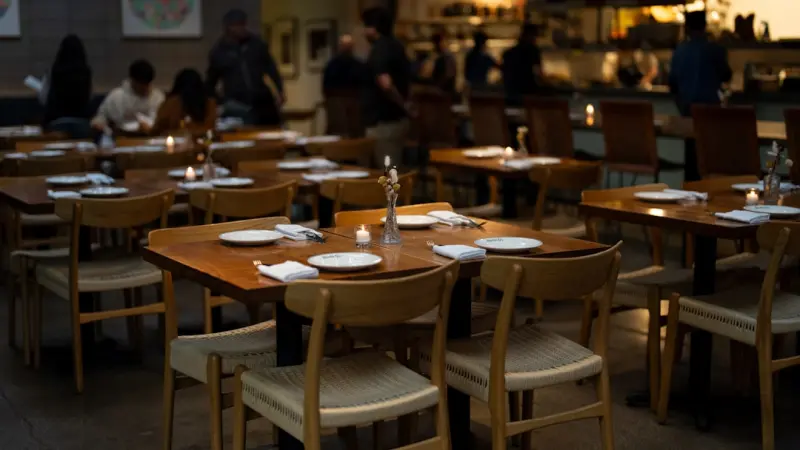
Inside the Chef’s Table: How Intimate Settings Transform Fine Dining
Discover how chef’s tables turn meals into immersive performances, blending intimacy, storytelling... Read More
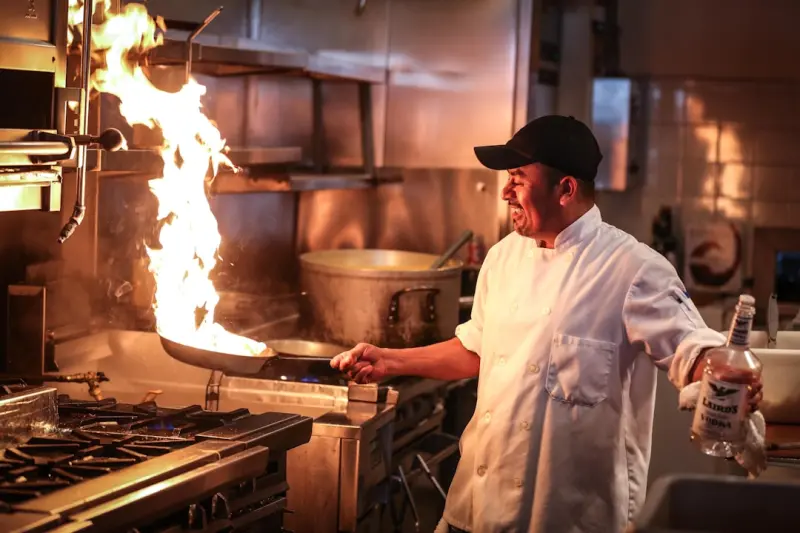
When Chefs Invite Diners to the Kitchen: The Power of Co‑Created Menus
Discover the rising trend of chef‑patron collaborations that turn fine dining into a co‑created ... Read More
When the Land Becomes the Menu: Hyper‑Local Terroir in Fine Dining
Fine dining is turning its focus to the soil, crafting hyper‑local menus that tell the story of pl... Read More
Top Posts

When a Plate Tells a Story: Inside the Hottest Restaurants
Discover the rise of narrative dining where chefs craft meals as stories, blending flavor, aroma, and visual art to create unforgettable experiences that linger...Read More
Dining in the Dark: How Blindfolded Meals Are Redefining Flavor Perception
Step into darkness and discover how blindfolded dining amplifies flavor, builds connection, and offers a fresh perspective on the art of eating....Read More

Charting Culinary Landscapes: How to Map Your City’s Best Restaurants
Discover a new perspective on dining: map your city’s restaurants like a culinary explorer and uncover hidden stories behind each bite....Read More
The Art of Fine Dining: A Lifelong Passion
Join Rose DesRochers on a journey through the world of fine dining, where every meal is a masterpiece of flavors, textures, and presentation....Read More
0 Comments
Post Comment
You will need to Login or Register to comment on this post!