
Elevating the Experience: The Power of Tableware Design
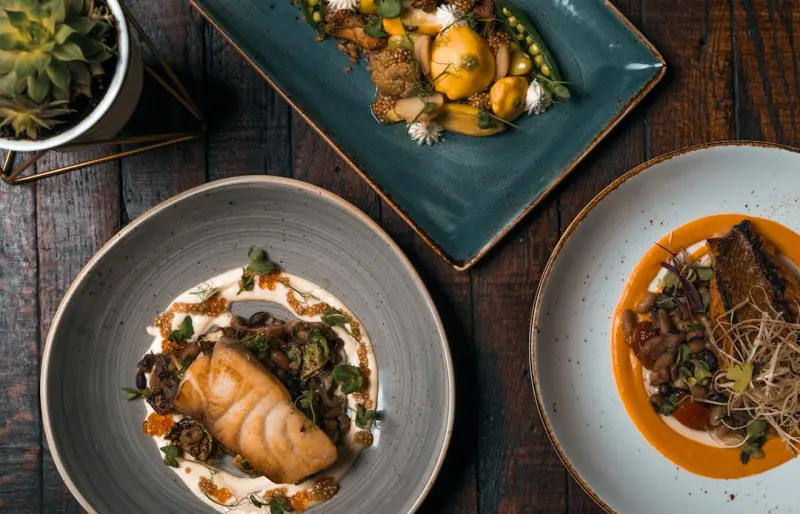
In the world of fine dining, the plate is more than a vessel—it is the first silent storyteller that frames every flavor, texture, and aroma. Thoughtful material selection, whether it’s hand‑blown glass, brushed steel, or heirloom porcelain, can amplify a dish’s temperature, weight, and visual impact, creating a tactile prelude to the palate. Chefs now collaborate with artisans to craft bespoke pieces that echo the season’s narrative, turning the table into a curated gallery where each object whispers its own chapter, inviting diners to linger a moment longer before the first bite.
Materials That Speak: From Earth to Table
The resurgence of natural materials—think raw clay, reclaimed wood, and sustainable bamboo—reflects a broader culinary shift toward authenticity and environmental mindfulness. When a ceramic bowl retains the faint imprint of its maker’s thumb, it carries a story of handcraft that resonates with diners seeking genuine connection. Meanwhile, the cool, reflective surface of crystal glass can heighten the sparkle of a fine wine, and the subtle grain of a walnut charger adds a whisper of earthiness that complements root‑vegetable purées, forging an invisible bridge between plate and palate. By choosing materials that echo the ingredients’ origin, restaurants deepen the storytelling menus concept, allowing the tableware itself to become an extension of the chef’s vision.
Form Meets Function: The Geometry of Delight
Beyond material, the geometry of a plate influences portion perception, bite rhythm, and even the psychological satisfaction of the diner. Asymmetrical shapes can guide the eye to a focal point, encouraging a deliberate tasting order, while shallow bowls accentuate sauces, preventing them from pooling and diluting flavors. The curvature of a spoon or the angle of a fork can affect how quickly food is lifted, subtly controlling the pace of the meal and ensuring that each course unfolds at the intended tempo. This meticulous attention to form transforms service from a routine act into a choreographed performance, where every utensil is a prop designed to enhance the narrative arc of the dining experience.
Color Theory on the Plate
Color is a silent language that can amplify the emotional resonance of a dish. A stark white porcelain backdrop makes the vivid reds of beetroot or the emerald greens of herb‑infused oils pop, creating visual contrast that primes the brain for excitement. Conversely, muted earth tones can soften the intensity of a spicy entrée, providing a calming counterbalance. Designers now employ color palettes that echo the dish’s flavor profile—cool blues for marine fare, warm ochres for roasted root vegetables—crafting a harmonious visual symphony that prepares diners for the gustatory journey ahead.
Interactive Tableware: Engaging the Senses
Interactive elements are redefining static service, inviting diners to become co‑creators of their meal. Tables equipped with heated plates keep soups at a perfect simmer, while chilled stone slabs preserve the crispness of sashimi. Some restaurants incorporate aroma‑releasing domes that lift fragrant vapors as the cover is lifted, merging scent with sight. These innovations blur the line between kitchen and table, turning the act of eating into an immersive, multisensory ritual that extends beyond taste alone.
Storytelling Through Serviceware
Every fork, spoon, and glass can carry a narrative that aligns with the chef’s concept. A set of hand‑painted porcelain cups might depict the local river that supplies the restaurant’s water, reinforcing a sense of place. Custom‑etched silverware can bear the initials of the chef, turning each bite into a signature moment. Such details, while subtle, foster a deeper emotional bond between guest and establishment, echoing the principles explored in science reinvents fine dining, where every element is meticulously engineered to heighten perception.
Sustainability in the Details
Eco‑conscious diners increasingly scrutinize even the smallest components of their experience, from the compostability of napkins to the lifecycle of the plates they touch. Restaurants are responding by sourcing tableware from local ceramic studios that employ low‑impact firing methods, or by opting for reusable bamboo chargers that biodegrade gracefully at the end of their life. By integrating sustainability into the very fabric of the dining room, establishments demonstrate a holistic commitment to stewardship that resonates with modern values, turning ethical considerations into an elegant part of the culinary narrative.
Future Trends: Smart Tableware and Beyond
Technology is beginning to infiltrate the realm of tableware, with embedded NFC chips that provide diners instant access to wine pairings, ingredient origins, and chef notes via a simple tap on their smartphones. Light‑responsive glasses can adjust hue to match the temperature of the beverage, enhancing visual appeal while subtly indicating optimal drinking moments. These smart integrations promise a seamless blend of tradition and innovation, ensuring that the table remains a dynamic canvas for storytelling, even as the tools evolve.
Conclusion: Crafting an Immersive Tablescape
The meticulous orchestration of tableware design, material choice, and interactive features elevates fine dining from a meal to a memorable performance. When every plate, glass, and utensil is selected with intention, it reinforces the chef’s narrative, guides the senses, and deepens the connection between diner and dish. As the industry continues to explore new textures, sustainable practices, and subtle technologies, the humble objects on the table will remain the unsung heroes that turn a culinary outing into an unforgettable, immersive experience.

Becky Putman is an Ottawa-based freelance writer and marketing professional with a passion for storytelling, animals, and community involvement. She enjoys creating engaging content that informs, inspires, and connects with readers.
Related Posts
The Art of Narrative Dining: How Fine Restaurants Turn Meals into Stories
Fine dining is no longer just about taste; it's becoming a multisensory narrative where chefs, desig... Read More

The Secret Sauce Behind Today’s Story‑Driven Fine Dining
Fine dining is evolving into a storytelling art form, where chefs act as auteurs and each course rea... Read More
Illuminating Fine Dining: How Light Shapes Flavor, Mood, and Memory
Explore the subtle power of light in fine dining—how illumination can amplify flavors, set the moo... Read More
Top Posts
The Best Restaurants That Turn Dining Into a Storytelling Experience
Explore how the finest eateries transform meals into memorable stories, and learn to bring that storytelling magic to your own kitchen....Read More
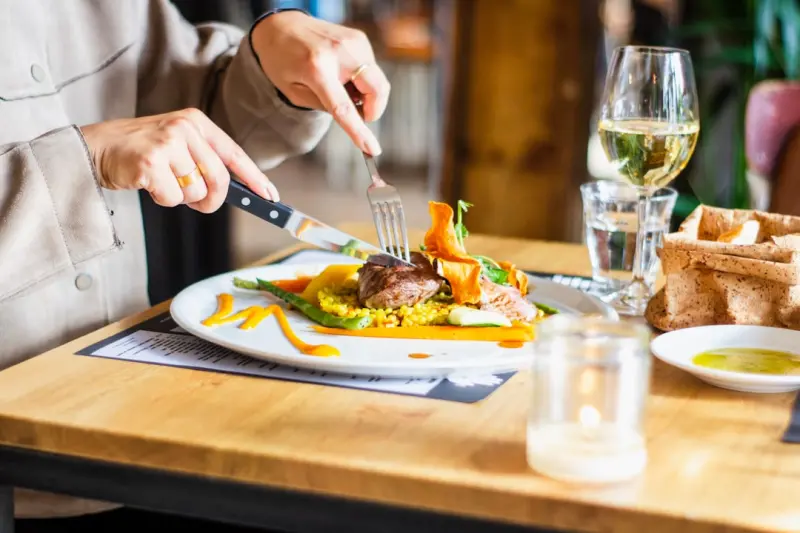
Dining Without Barriers: Crafting an Inclusive Restaurant Experience
Discover the essential steps restaurants can take to create barrier‑free dining, from accessible spaces and menus to staff training and technology that welcom...Read More
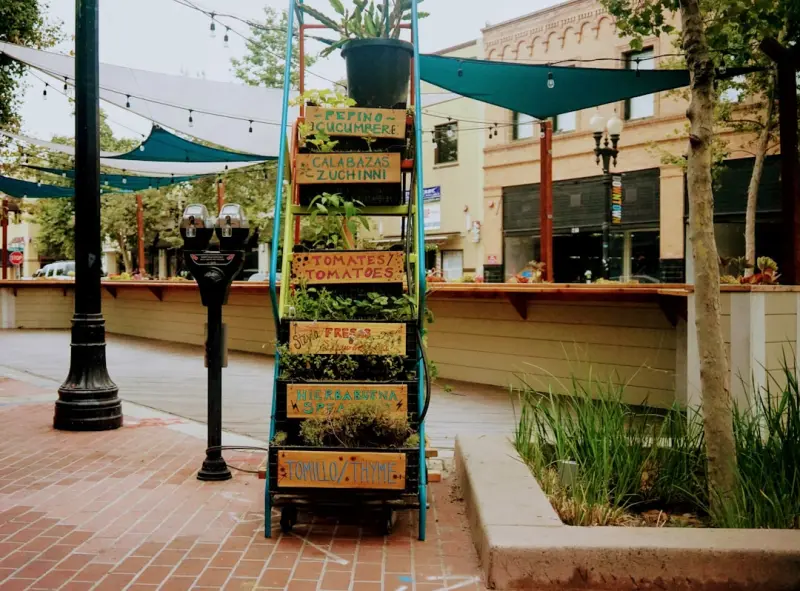
From Seed to Plate: How Urban Farm‑To‑Table Restaurants Are Redefining Freshness
Explore the rise of urban farm‑to‑table restaurants, where on‑site gardens deliver unparalleled freshness, sustainability, and storytelling that reshapes ...Read More
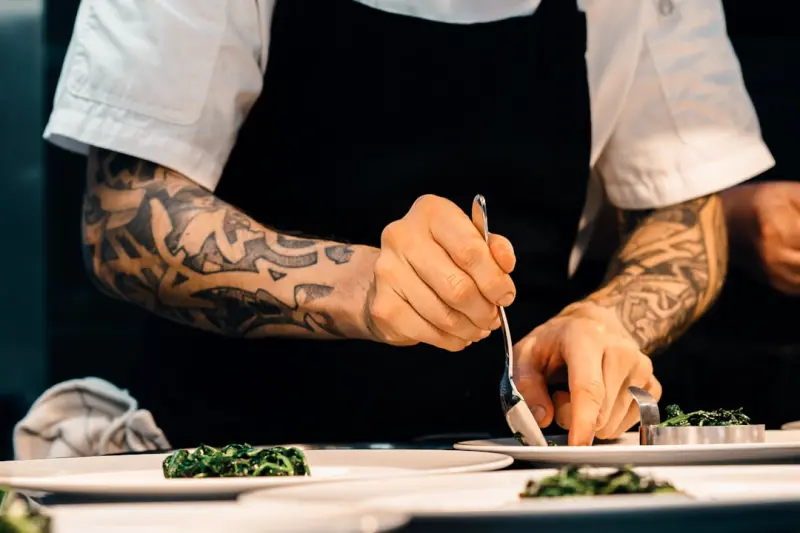
When Chefs and Artists Collide: Redefining the Fine‑Dining Canvas
Discover the rising trend of chef‑artist partnerships that turn each plate into a work of art, offering diners a captivating blend of visual storytelling and ...Read More
0 Comments
Post Comment
You will need to Login or Register to comment on this post!