
Why Zero-Waste Is the New Luxury Standard
In the world of fine dining, extravagance has always been measured by rarity, precision, and the story behind each plate. Zero‑waste philosophy flips that equation, demanding that every peel, bone, and leaf earn its place on the table rather than in a dumpster. The shift isn’t about austerity; it’s about elevating the ordinary into the extraordinary, turning what once was discarded into a centerpiece of culinary art. For diners who crave both opulence and conscience, the narrative now begins before the first bite, with a promise that nothing is wasted.
The Ethical Canvas Behind the Plate
Fine dining has long celebrated indulgence, but the modern gourmand is increasingly attuned to the environmental footprint of each course. Restaurants that adopt zero‑waste practices embed sustainability into their very identity, offering guests a taste of responsibility alongside decadence. This ethical canvas transforms the dining experience into a dialogue about stewardship, where the chef’s ingenuity is measured by how cleverly they repurpose ingredients that would otherwise vanish. The result is a menu that feels both lavish and purposeful, satisfying the palate and the planet.
Hyper‑Local Sourcing and Whole‑Animal Philosophy
To achieve true zero‑waste, chefs turn to hyper‑local farms and fisheries that practice regenerative methods, ensuring that every animal and plant arrives whole and ready for full utilization. By embracing a nose‑to‑tail, root‑to‑stalk approach, kitchens can craft dishes that highlight off‑cuts, skins, and stems in ways that surprise and delight. For example, a citrus‑infused broth made from discarded peels may accompany a perfectly seared piece of fish, while beet greens find new life as a crisp garnish. This holistic sourcing not only reduces waste but also deepens the connection between the diner and the origin of each ingredient.
Menu Architecture: Dynamic, Adaptive, and Transparent
Zero‑waste menus are living documents, evolving daily to reflect the exact inventory of the kitchen. Chefs design adaptive tasting journeys that pivot on the day’s harvest, the availability of off‑cuts, and the creativity sparked by unexpected flavors. By publishing a “scrap‑story” alongside each course, diners gain insight into the transformation from waste to wonder, fostering appreciation for the craftsmanship involved. This transparency turns each plate into a narrative, where the rarity lies not in exotic ingredients but in the ingenuity of their re‑imagining.
Back‑of‑House Alchemy: Systems That Turn Scraps Into Gold
Implementing zero‑waste at a high‑end establishment requires sophisticated internal workflows, from precise inventory tracking to on‑the‑fly composting solutions. Restaurants that master these secret systems can seamlessly divert waste into new culinary possibilities, a concept explored in depth on The Secret Systems That Make a Restaurant Truly Great. Dedicated “ingredient labs” experiment with dehydrated powders, gels, and pickles crafted from what would otherwise be discarded, turning the kitchen into a laboratory of sustainable innovation. The result is a menu that feels endlessly inventive, while the waste stream shrinks to near‑zero.
Front‑of‑House Storytelling: Making Transparency Tasty
The guest experience extends beyond the plate; it begins the moment the server explains the origin and purpose of each component. By weaving waste‑reduction narratives into the service flow, diners become active participants in the sustainability journey. Menus feature icons indicating “up‑cycled” or “full‑utilization” dishes, and servers are trained to describe the creative process with enthusiasm and clarity. This transparent dialogue not only educates but also empowers guests to feel good about indulgence, reinforcing the idea that luxury can be responsibly sourced.
Collaborative Innovation: Partnerships That Fuel Zero‑Waste Creativity
Zero‑waste fine dining thrives on collaboration, linking chefs with farmers, waste‑tech startups, and even artists who repurpose kitchen by‑products into décor. Such partnerships amplify the impact of each initiative, as seen in the data‑driven approaches highlighted in Crafting the Future of Fine Dining: Data, Transparency, and Sensory Storytelling. By sharing real‑time inventory metrics with suppliers, restaurants can adjust orders to match exact needs, reducing excess before it even arrives. Meanwhile, creative collaborations turn spent coffee grounds into aromatic rubs or edible inks, adding layers of flavor and intrigue to the tasting menu.
Looking Forward: Scaling Zero‑Waste Luxury Without Compromise
The future of fine dining will likely see AI‑guided menu planning that predicts waste patterns and suggests up‑cycling opportunities, ensuring that every scrap is accounted for before it leaves the kitchen. As more establishments adopt this model, the industry will redefine what constitutes “premium” by measuring value through ingenuity rather than excess. Maintaining staff morale, as discussed in Why Restaurant Staff Wellness Is the Secret Ingredient to Unforgettable Dining, will be crucial, because a motivated team is the engine that transforms waste into wonder. In this new era, the ultimate indulgence is a dining experience that dazzles the senses while honoring the earth—proof that true luxury never has to be wasteful.

Becky Putman is an Ottawa-based freelance writer and marketing professional with a passion for storytelling, animals, and community involvement. She enjoys creating engaging content that informs, inspires, and connects with readers.
Related Posts
Zero‑Waste Fine Dining: Turning Scraps into Culinary Stars
Discover the art of turning kitchen scraps into gourmet delights, as fine dining embraces zero‑was... Read More
Inclusive Luxury: Fine Dining Without Compromise
Explore the rise of truly inclusive fine dining, where menus, service, and ambiance adapt to every d... Read More
When Chefs and Artists Collide: Redefining the Fine‑Dining Canvas
Discover the rising trend of chef‑artist partnerships that turn each plate into a work of art, off... Read More
Top Posts
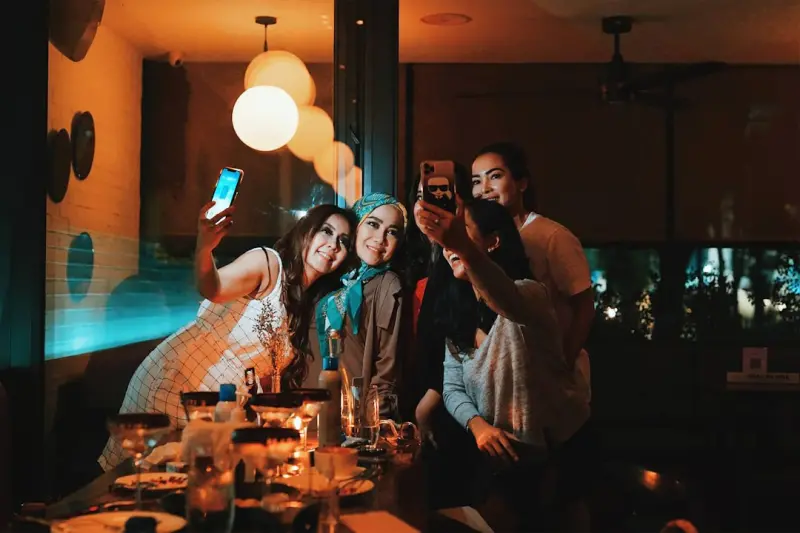
The Instagram Effect: How Photo‑Ready Restaurants Win Over Diners
Explore the rise of Instagram‑ready dining, from photogenic plates to staff‑driven social sharing, and learn how visual storytelling fuels restaurant succes...Read More

Savoring Stories: My Journey Through the Best Restaurants
Discover how the best restaurants transform dining into storytelling, creating unforgettable experiences that engage every sense and leave lasting memories....Read More
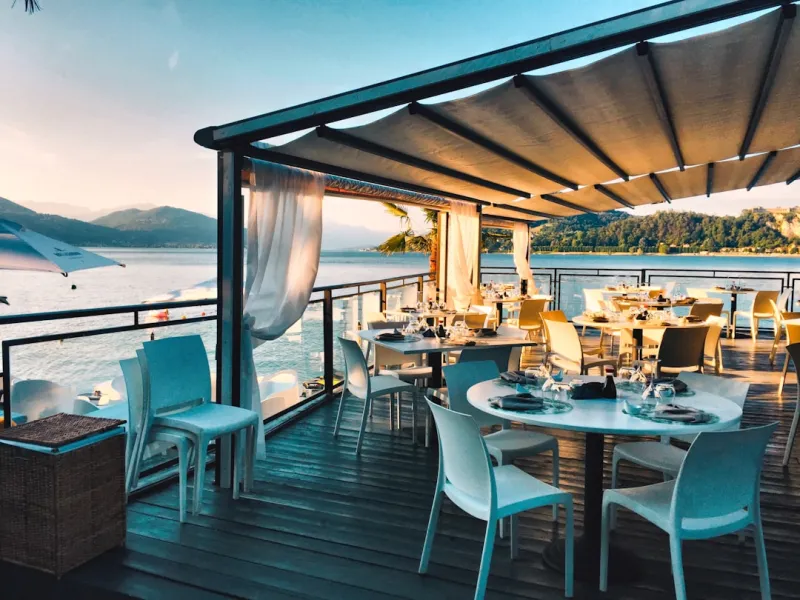
The Evolution of Fine Dining: A Personal Perspective
The world of fine dining has undergone significant changes in recent years. From sustainability and locally sourced ingredients to technology and innovation, ex...Read More
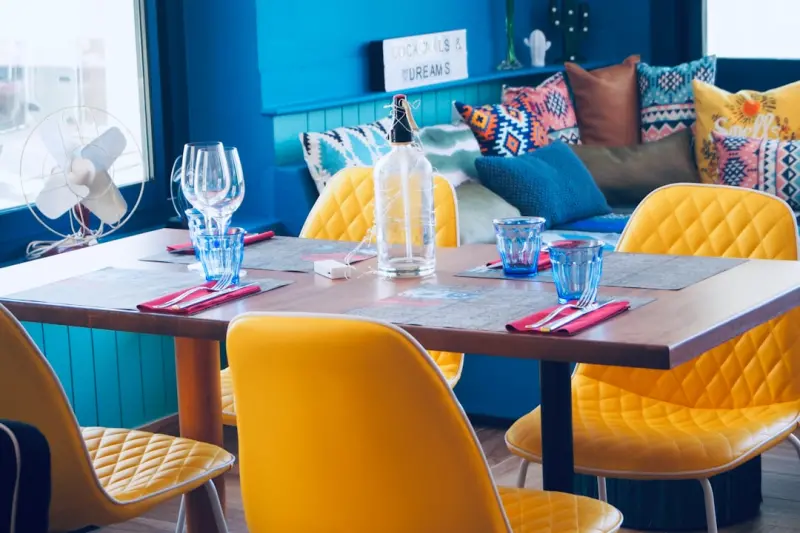
How Color Psychology is Redefining the Restaurant Experience
Explore the subtle power of color in restaurants—from appetite‑boosting reds to calming blues—and learn how designers and chefs use hue to craft immersive...Read More
0 Comments
Post Comment
You will need to Login or Register to comment on this post!