

Why Zero‑Waste Is No Longer a Niche
When I first walked into a restaurant that proudly displayed a “zero‑waste” badge, I felt the same thrill I get from discovering a hidden speakeasy—only this time the secret was on the plate. Zero‑waste dining has migrated from experimental labs to the mainstream, becoming a litmus test for restaurants that claim to be “the best.” As a longtime foodie, I now gauge a venue’s ambition not just by the complexity of its flavors but by how creatively it eliminates scraps, repurposes by‑products, and honors the entire ingredient lifecycle.
Redefining the Ingredient Story
In a zero‑waste kitchen, every carrot peel, fish bone, and herb stem is seen as an opportunity rather than an afterthought, prompting chefs to rewrite the narrative of each dish from farm to table. By partnering with local foragers, urban farms, and regenerative growers, chefs turn what would be discarded into signature components, such as beet‑leaf pesto or smoked watermelon rind crostini. This philosophy forces a deeper respect for seasonality, encouraging menus that evolve with the land’s natural rhythm rather than the calendar’s demands.
Menu Architecture That Embraces Every Part
Designing a menu around waste reduction is like solving a culinary puzzle where every piece must fit without leftovers, and the result is both elegant and economical. Chefs adopt “nose‑to‑tail” and “root‑to‑stem” approaches, crafting dishes like braised pork cheek with crisp pork skin garnish or carrot‑top chimichurri drizzled over roasted root medley. The outcome is a symphony of flavors that showcases the full potential of each ingredient while dramatically shrinking the kitchen’s trash output.
Chef‑Driven Stories That Inspire
One of my favorite zero‑waste pioneers is a chef who transforms spent coffee grounds into a smoky rub for grilled aubergine, turning a café by‑product into a menu highlight that guests rave about. This ingenuity mirrors the spirit of Front‑of‑House Innovations That Make Restaurants Truly Outstanding, where storytelling extends beyond décor to the very way food is conceived and served. By weaving waste‑reduction narratives into the dining experience, these chefs create a sense of purpose that resonates with diners craving authenticity.
Supply Chains That Speak Transparency
Zero‑waste restaurants often map their entire supply chain, demanding traceability from farm to fork and insisting on packaging that can be composted or returned. This transparency builds trust, especially when paired with thoughtful beverage pairings that respect the same principles, such as using reclaimed barley for house‑made sodas. The synergy is highlighted in Curated Drink Programs, where the drink menu becomes an extension of the kitchen’s sustainability ethos.
Tech‑Enabled Waste Tracking
Modern kitchens are equipped with smart scales and waste‑audit software that log every gram of peel, bone, and trimmings, turning waste reduction into a data‑driven sport. By analyzing this data, chefs pinpoint high‑waste items and redesign recipes to incorporate them, turning a potential loss into a profit center. Although the technology sounds high‑tech, the underlying goal remains simple: make every scrap count toward a richer, more responsible plate.
Guest Perception and the Power of Storytelling
Today’s diners are more informed and environmentally conscious, expecting restaurants to demonstrate tangible actions rather than vague pledges. When a menu notes “citrus zest from today’s market peel” or “bone‑broth reduced from yesterday’s fish stock,” guests feel they are part of a larger mission, deepening their connection to the meal. This transparent storytelling not only enhances the dining experience but also cultivates brand loyalty that extends beyond a single visit.
Financial Upside of a Zero‑Waste Model
Contrary to the assumption that sustainability inflates costs, zero‑waste practices often lower ingredient expenses by maximizing usage and reducing disposal fees. The reclaimed ingredients can be sold as specialty items—think house‑made pickles from off‑cuts or nut‑based spreads from surplus skins—creating new revenue streams. The net effect is a restaurant that maintains premium pricing while delivering a conscience‑aligned experience that diners are willing to pay a premium for.
Looking Ahead: The Future of Zero‑Waste Fine Dining
The momentum behind zero‑waste is accelerating, with culinary schools now teaching waste‑minimization as a core skill and investors seeking out restaurants that prove sustainability can be profitable. As the movement matures, we’ll likely see collaborative networks where chefs share surplus ingredients, turning competition into communal stewardship. In the end, the best restaurants will be those that prove excellence and ethics can coexist on the same plate, inviting us all to savor a future where nothing truly goes to waste.

Becky Putman is an Ottawa-based freelance writer and marketing professional with a passion for storytelling, animals, and community involvement. She enjoys creating engaging content that informs, inspires, and connects with readers.
Related Posts
Beyond the Guidebook: Finding the Best Restaurants Off the Beaten Path
I’m sharing how I track down the city’s most authentic eateries—those tucked away alleys, fami... Read More
10 Must‑Visit Restaurants That Turn Dining Into a Community Celebration
Explore ten standout eateries that turn meals into community celebrations, featuring shared tables, ... Read More
Best Restaurants Turning Meals into Stories
Discover restaurants that turn dining into storytelling, offering immersive experiences where every ... Read More
Top Posts
How Restaurants Use Social Media Storytelling to Win Diners Before They Walk In
Restaurants now craft compelling stories on social media, turning digital glimpses into real‑world dining loyalty and higher bookings....Read More

The Art of Dining: How Every Plate Tells a Story
Discover why today’s top chefs craft meals as narratives, how ambiance amplifies flavor stories, and where to find the most compelling narrative dining experi...Read More

Scent and Sophistication: The Hidden Layer Elevating Fine Dining
Explore the invisible power of scent in fine dining, how chefs craft aromatic atmospheres, and what the future holds for personalized perfume‑paired meals....Read More
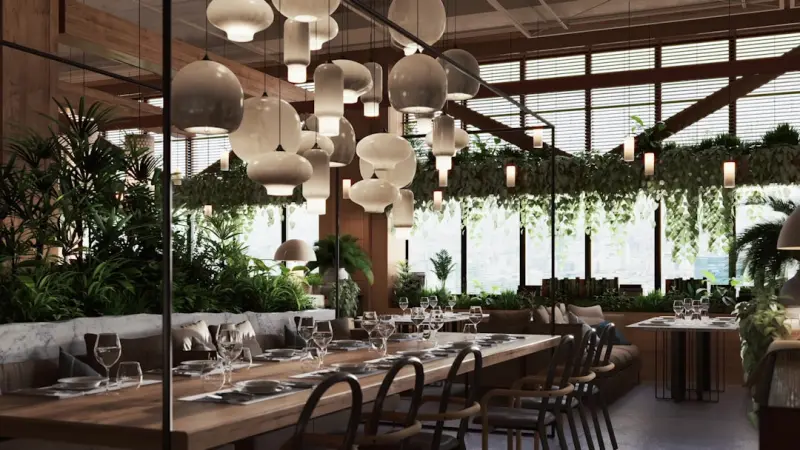
Biophilic Restaurant Design: How Nature Revamps the Dining Experience
Explore the rise of biophilic restaurant design, where living walls, natural light, and greenery turn meals into immersive, nature‑rich experiences that boost...Read More
0 Comments
Post Comment
You will need to Login or Register to comment on this post!