
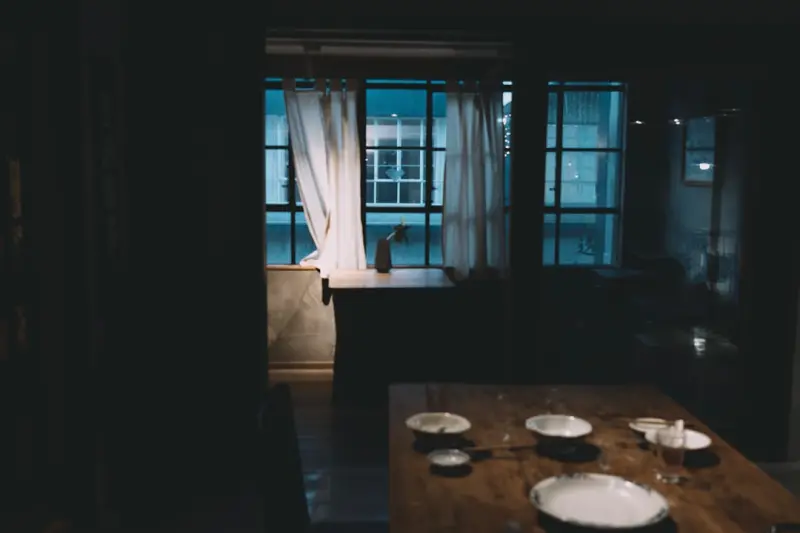
What is “Dining in the Dark” and Why It’s Gaining Traction
Imagine stepping into a restaurant where the lights are dimmed to absolute darkness, and the only guide you have is your sense of taste, smell, and touch; this is the premise of dining in the dark, an experience that challenges the traditional visual hierarchy of meals. The concept originated in the early 2000s in Europe, but it has quietly migrated to major cities, attracting curious food lovers who crave a deeper connection with the plate beyond Instagram‑ready aesthetics. As diners learn to rely on their remaining senses, they report a heightened appreciation for texture, seasoning, and the subtle interplay of flavors that often go unnoticed in a well‑lit setting.
The Science Behind Sensory Deprivation at the Table
Research in neuroscience confirms that when vision is removed, the brain reallocates resources to enhance auditory, olfactory, and gustatory processing, a phenomenon known as neuroplastic compensation. Studies conducted in sensory‑deprived dining labs have shown that participants can identify herbs, spices, and even cooking techniques with up to 30% greater accuracy than in normal lighting conditions. This scientific backdrop gives restaurants a legitimate reason to market the experience not merely as a novelty, but as a genuine exploration of human perception.
Designing a Dark‑Room Restaurant: Practical Considerations
Creating a successful dark‑room venue requires meticulous planning, from safety protocols to staff training; servers often wear night‑vision goggles and must master the art of guiding guests without visual cues. The layout typically features soft, padded flooring, rounded furniture, and clearly marked pathways to prevent accidents, while the kitchen remains illuminated to allow chefs to maintain precision. For owners wary of the logistical challenges, consulting the menu design psychology guide can help craft tactile menus that double as sensory touchpoints, reinforcing the experience from the moment diners receive their first plate.
Crafting a Menu That Thrives in Darkness
A menu for a dark‑dining establishment must be curated with contrast in mind, emphasizing dishes that showcase varied textures—crisp, creamy, crunchy, and silky—to give the palate distinct reference points. Chefs often incorporate aromatic herbs, smoked elements, and vibrant sauces that release fragrant vapors, allowing diners to “see” the dish through smell and taste alone. Pairings with wines or cocktails that have pronounced aromatics further enrich the journey, turning each course into a multi‑sensory narrative that compensates for the lack of visual stimulation.
Training Staff to Become Sensory Guides
Servers in these establishments undergo specialized training that goes beyond typical hospitality; they learn to describe dishes using vivid, non‑visual language, focusing on mouthfeel, temperature, and aroma. This linguistic shift requires a deep familiarity with each ingredient, enabling staff to answer questions like “Is this sauce buttery or nutty?” without relying on visual descriptors. By becoming the bridge between the kitchen’s creations and the diners’ heightened senses, the team elevates the overall experience, turning a simple meal into an educational adventure.
Marketing the Dark Experience Without Overpromising
When promoting a dining‑in‑the‑dark concept, authenticity is key; restaurants should set clear expectations, emphasizing the sensory focus rather than framing it as a gimmick. Social media teasers that showcase the ambient sounds, the clink of glassware, and the rustle of napkins can intrigue potential guests while respecting the experience’s integrity. Additionally, linking to resources like discover hidden gems can attract food enthusiasts eager to explore off‑beat culinary adventures without breaking their budget.
Inclusivity and Accessibility in Darkness
While the concept is inherently sensory‑rich, restaurants must consider guests with visual impairments, ensuring that the experience is not exclusive but rather welcoming. Offering optional guide‑led tours, tactile menus in Braille, and staff trained in accessibility etiquette can transform the dark setting into a space where all patrons feel comfortable and engaged. By embracing inclusivity, establishments not only broaden their market but also demonstrate a genuine commitment to diverse dining experiences.
Measuring Success: Guest Feedback and Repeat Visits
Success metrics for a dark‑room restaurant extend beyond traditional revenue figures; guest feedback on sensory satisfaction, emotional impact, and perceived value becomes a vital KPI. Many venues employ post‑dining surveys that ask participants to rate their awareness of flavors, aromas, and textures, providing actionable data for menu refinement. Repeat visitation rates often soar when diners feel they have uncovered a hidden layer of culinary appreciation, turning a single night into an ongoing relationship with the brand.
The Future of Sensory‑Focused Dining
As consumers continue to seek immersive experiences, the dark‑dining model may evolve to incorporate other sensory tweaks, such as temperature‑controlled rooms or curated soundscapes that align with each course’s mood. Emerging technologies like subtle scent diffusion and tactile plating could further blur the lines between food and art, positioning darkness as a canvas for experimental gastronomy. Ultimately, by daring to dim the lights, restaurants invite diners to rediscover the fundamental joy of eating—pure, unfiltered, and profoundly human.

When it comes to the world of blogging and writing, Rose DesRochers is a name that stands out. Her passion for creating quality content and connecting with her audience has made her a trusted voice in the industry. Aside from her skills as a writer and blogger, Rose is also known for her compassionate nature.
Related Posts
Dining as Narrative: How Restaurants Are Turning Meals into Stories
Explore the rise of narrative dining, where chefs craft immersive, flavor‑first experiences that t... Read More
Flavor‑First Adventures: 2026 Restaurant Roadmap
A personal, flavor‑first tour of 2026’s hottest restaurants, revealing storytelling dishes, sens... Read More
The Psychology of Menu Design: How Layout, Language, and Pricing Drive Restaurant Success
Explore the hidden tactics behind menu design—from visual hierarchy to pricing psychology—that s... Read More
Top Posts
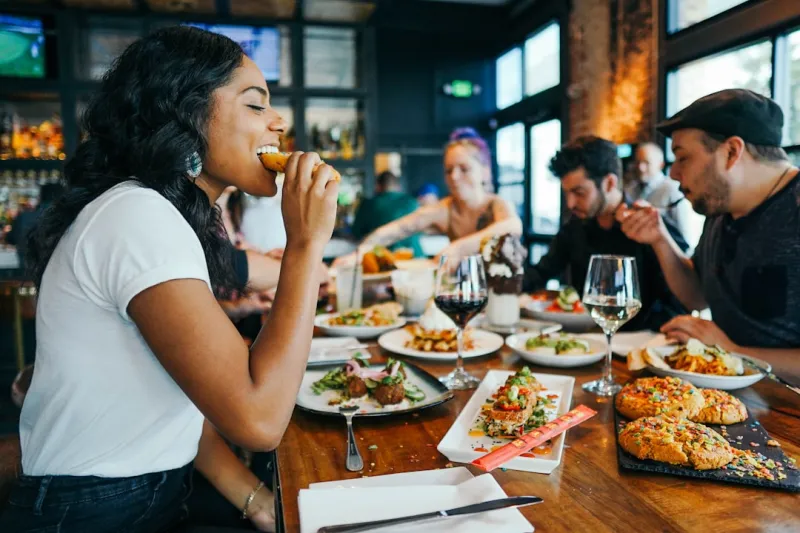
The Evolution of Fine Dining: A Personal Perspective
Join me on a journey through the world of fine dining, where authenticity, community, and sustainability are redefining the culinary experience....Read More
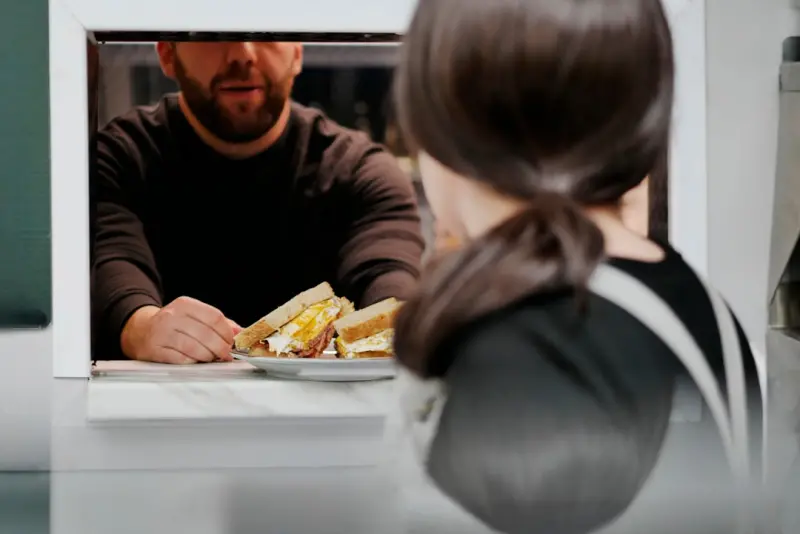
Data‑Driven Dining: How Restaurants Personalize Every Bite
Restaurants are turning data into delicious personalization, from smart reservations to AI‑crafted menus that remember your taste....Read More
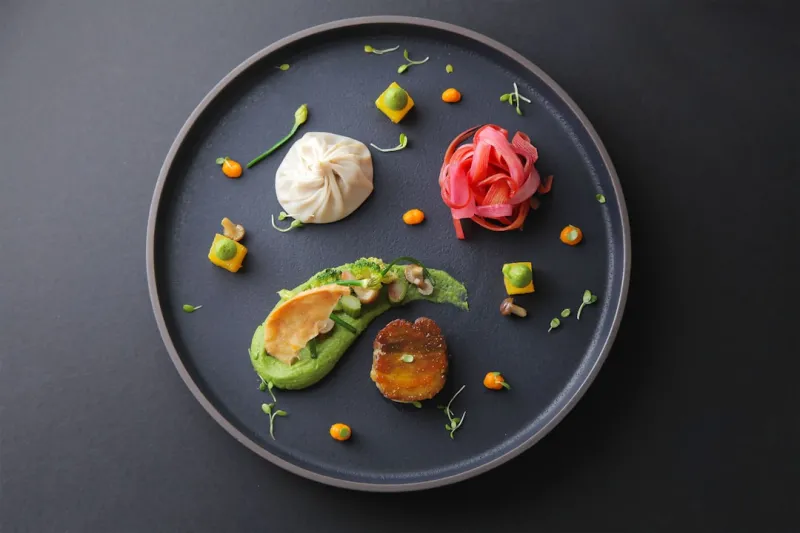
The Pursuit of Gastronomic Excellence: A Journey Through the World's Best Restaurants
Join me on a culinary journey through the world's best restaurants, where exceptional fine dining experiences await. From elegant eateries to avant-garde establ...Read More
The Hidden Rise of Ghost Kitchens: How Invisible Restaurants Are Redefining Dining
Discover the silent surge of ghost kitchens, the tech behind data‑driven menus, and how diners can shape this invisible dining revolution....Read More
0 Comments
Post Comment
You will need to Login or Register to comment on this post!